
Pineapple Benefits for Skin, Inflammation, and Immune Health

When you think of pineapple, you probably think of tropical beaches and fresh summer smoothies.
But this bright, golden fruit offers more than vacation vibes.
Pineapple contains powerful plant compounds that support:
• Healthy inflammation response
• Skin recovery
• Immune function
• Collagen support
• Post-exercise recovery
Let’s take a closer look at why pineapple deserves a place in your kitchen — and possibly your skincare conversations.
What Makes Pineapple So Powerful?
Pineapple belongs to the Bromeliaceae family and is the only edible fruit in this group.
Its standout compound?
Bromelain.
What Is Bromelain?
Bromelain is a natural enzyme found primarily in the core and stem of pineapple.
It has been studied for its potential role in:
• Supporting the body’s natural inflammatory response
• Reducing swelling
• Supporting muscle recovery
• Helping with bruising
While research is ongoing, bromelain is believed to interact with immune signaling pathways that influence inflammation.
For individuals concerned about:
• Chronic inflammation
• Skin irritation
• Eczema-prone skin
• Post-workout soreness
Dietary anti-inflammatory support can be a helpful addition to a healthy lifestyle.
Pineapple and Skin Health
Inflammation plays a major role in many skin conditions.
When inflammation is elevated in the body, it can show up as:
• Redness
• Sensitivity
• Breakouts
• Reactive skin
• Slower healing
Pineapple offers several nutrients that support skin health from within.
Vitamin C for Collagen Support
Pineapple is rich in Vitamin C, a water-soluble antioxidant essential for collagen production.
Collagen helps:
• Maintain skin structure
• Improve elasticity
• Support wound healing
• Reduce visible signs of aging
Unlike topical Vitamin C (which can oxidize quickly), dietary Vitamin C is efficiently used by the body.
Certain foods rich in antioxidants and vitamins can also support healthy skin and collagen production. You can learn more in our guide to Foods That Boost Collagen Naturally.
2. Manganese for Antioxidant Support
Pineapple is also high in manganese.
Manganese plays a role in antioxidant enzyme systems that help the body neutralize free radicals — unstable molecules that contribute to premature skin aging.
3. Thiamin for Cellular Energy
Thiamin (Vitamin B1) helps convert food into usable cellular energy, supporting overall tissue repair and immune health.
Pineapple and Immune Function
Because pineapple provides:
• Vitamin C
• Antioxidants
• Anti-inflammatory enzymes
It can support overall immune balance — especially during seasonal transitions.
If you’ve read our post on:
• How to Boost Your Immune System Naturally
• Eating for Collagen
• Foods That Support Skin Health
You already know we believe that skincare starts from within.
Can Pineapple Help With Eczema?
There is no single food that “cures” eczema.
However, since eczema is associated with inflammation and skin barrier dysfunction, focusing on anti-inflammatory whole foods may support overall skin health.
That said — some individuals are sensitive to citrus and acidic fruits, so always pay attention to your own triggers.
One of My Favorite Ways to Enjoy Pineapple
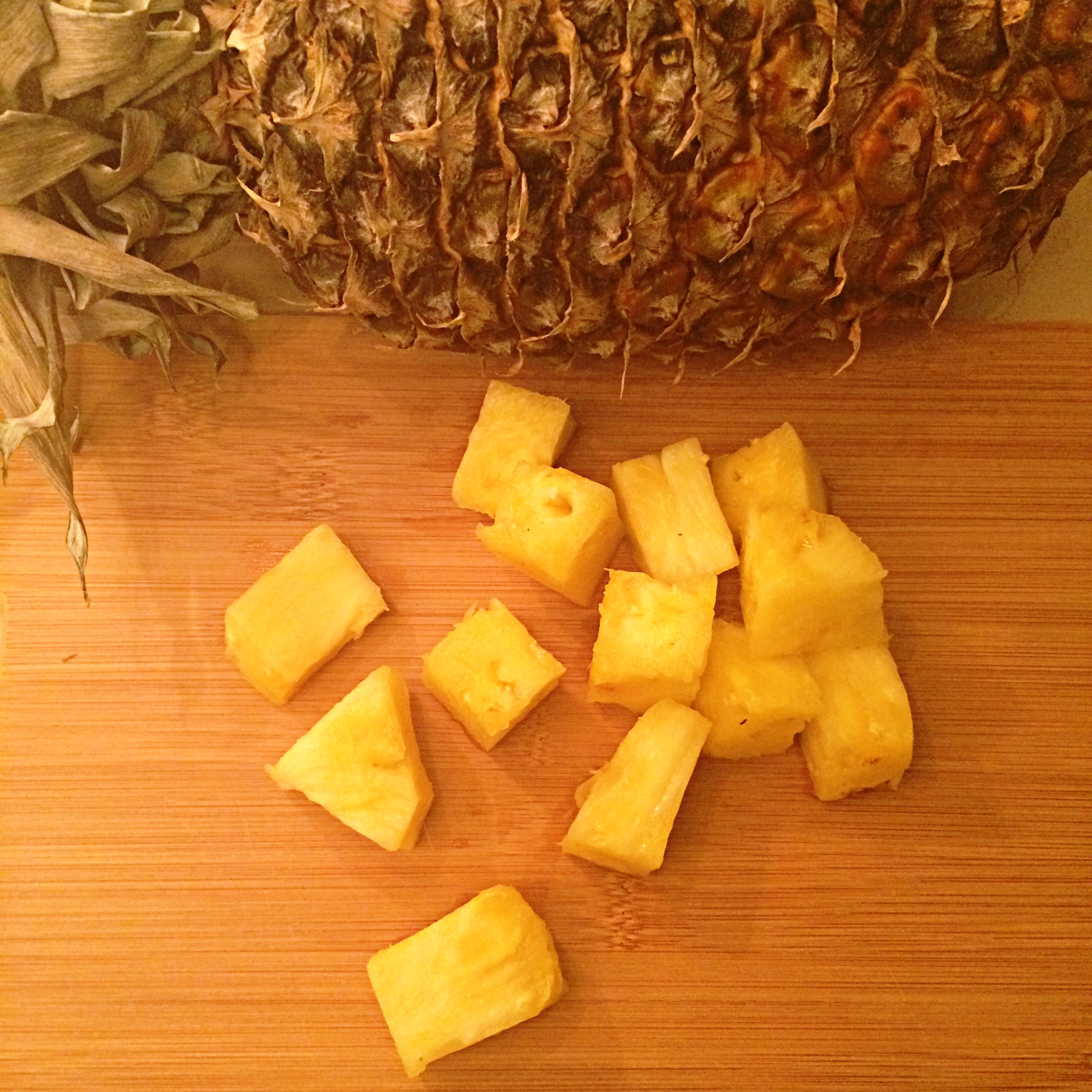
Here’s a simple, fresh pineapple salad that works beautifully for warmer months:
Pineapple Power Salad
• 10 oz romaine lettuce
• 1 cup fresh pineapple, cubed
• 1 can mandarin oranges (drained)
• ½ cup slivered almonds
• ⅓ cup toasted coconut flakes
• 2 chopped green onions
• 1 chopped red bell pepper
Dress with:
• Olive oil
• Red wine vinegar
• A pinch of Himalayan salt
• A drizzle of honey
Bright. Fresh. Anti-inflammatory.
Final Thoughts
Pineapple is more than a tropical fruit.
It’s a source of:
• Natural enzymes
• Antioxidants
• Vitamin C
• Skin-supportive nutrients
While topical skincare supports the outside, whole foods support the inside.
And the two work best together.

About the Author
Janis Covey, PharmD
Compounding pharmacist and founder of Kosmatology, Janis formulates gentle skincare designed for sensitive skin and families. Her work focuses on ingredient transparency, skin barrier support, and simple routines that help skin stay comfortable and healthy. Learn more about her approach to skincare on the About Kosmatology page.