
KOSMATOLOGY BLOG
How to Transition Your Skincare Routine from Summer to Fall
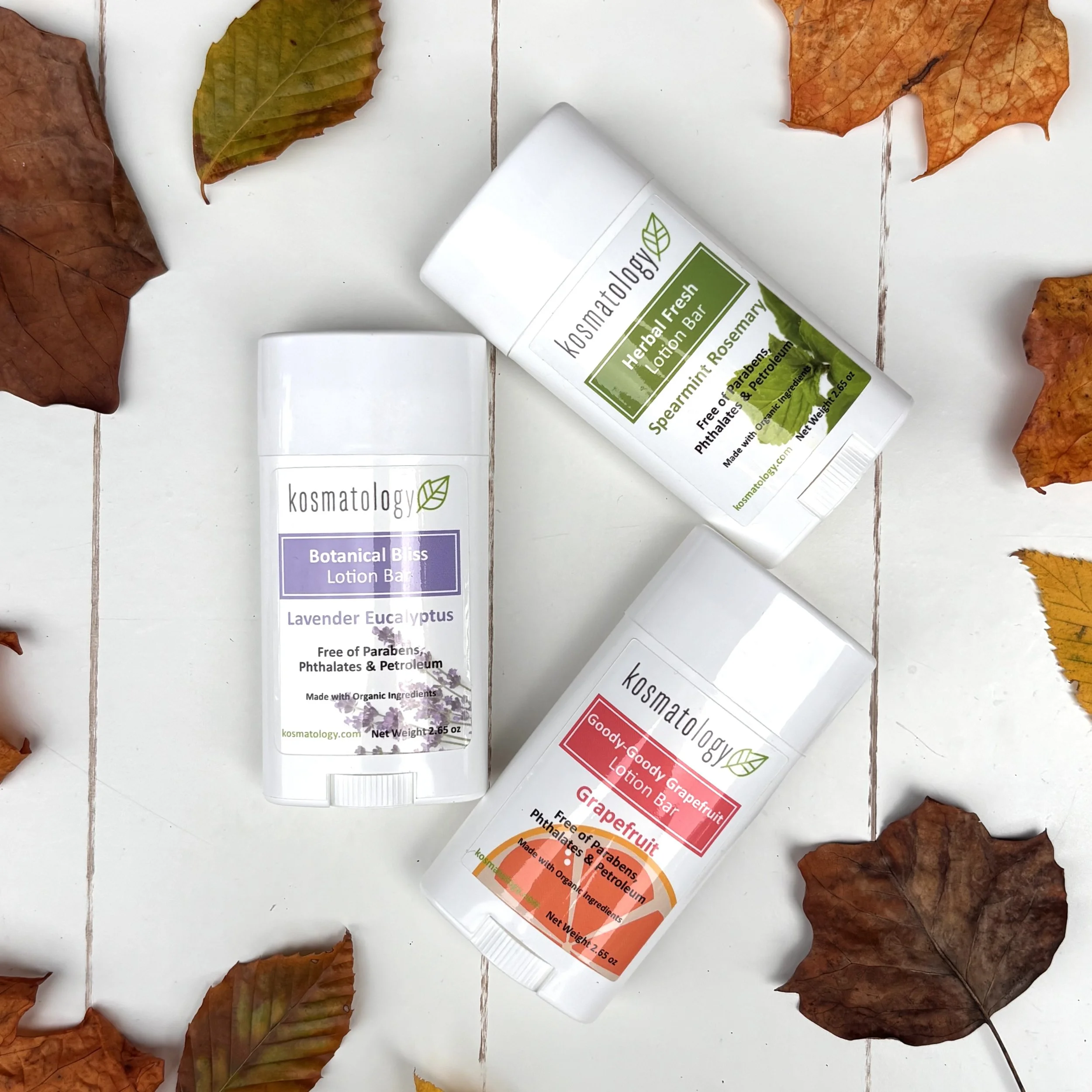
Summer to fall means cooler mornings, lower humidity, cozy sweaters and often a change in what your skin needs.
You may notice that skin that felt perfectly comfortable all summer suddenly feels a little tighter or drier. Hands may need moisturizer more often, lips can start feeling chapped, and areas like elbows, knees and heels may become noticeably rougher.
That doesn't necessarily mean you need an entirely new skincare routine. A few simple changes can often help your skin adjust to the new season.
As a pharmacist, skincare formulator, and founder of Kosmatology, I'm a big believer in keeping skincare simple and paying attention to what your skin actually needs rather than following a complicated routine.
Teen Skincare Doesn’t Have to Be Complicated: Meet Herbal Teen
If you have a tween or teen, chances are skincare has suddenly become a topic of conversation in your house. Between social media trends, elaborate multi-step routines, and shelves filled with products promising perfect skin, figuring out what young skin actually needs can feel overwhelming.
The good news? Teen skincare doesn't have to be complicated.
As a pharmacist, skincare formulator, and mom, I believe one of the best places to start is with the basics: gentle cleansing and appropriate moisture.
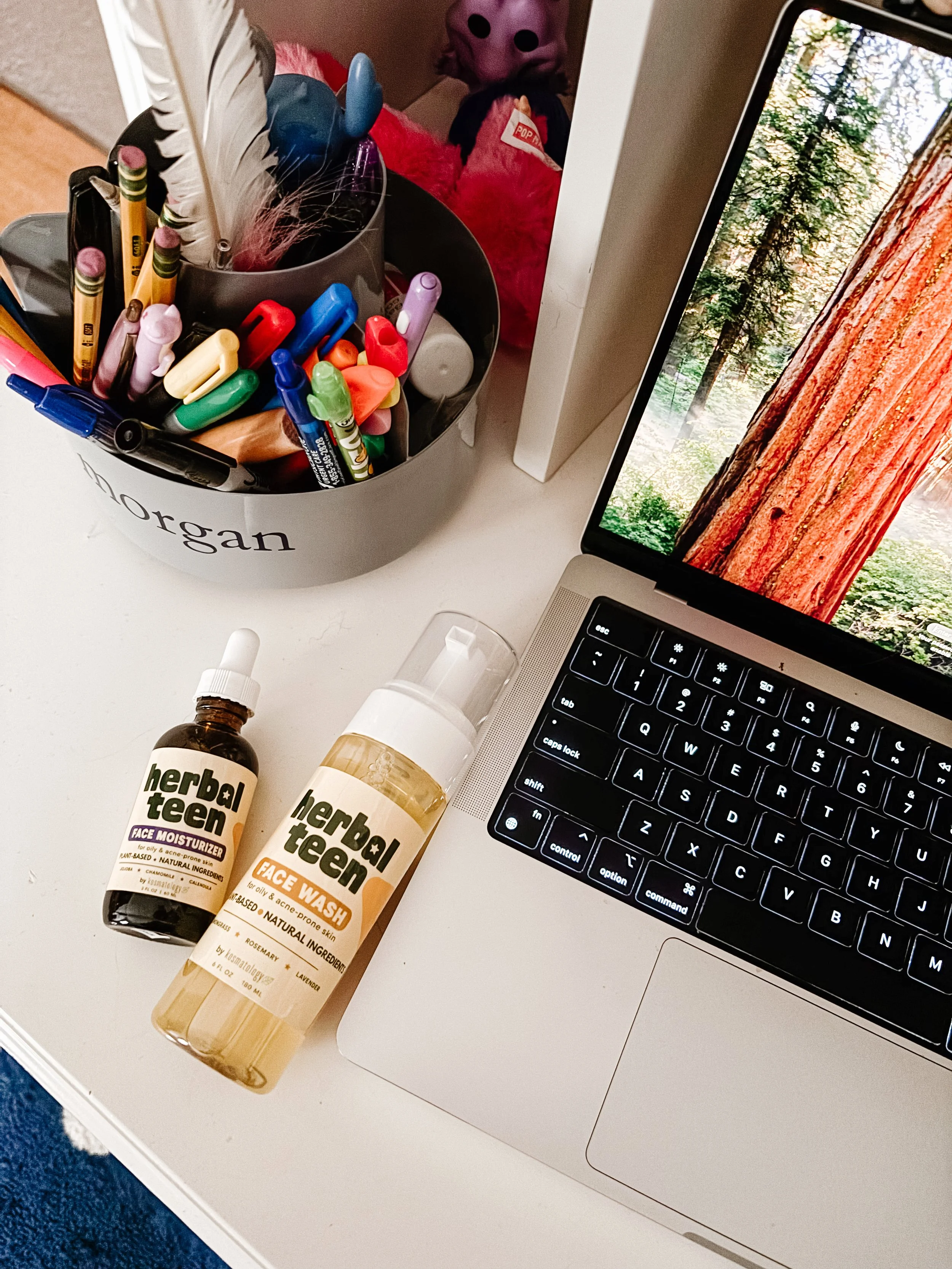
That philosophy is exactly why I created Herbal Teen, Kosmatology's new two-step skincare routine formulated specifically for oily and acne-prone tween and teen skin.
Healthy Skin Starts with Healthy Habits This School Year
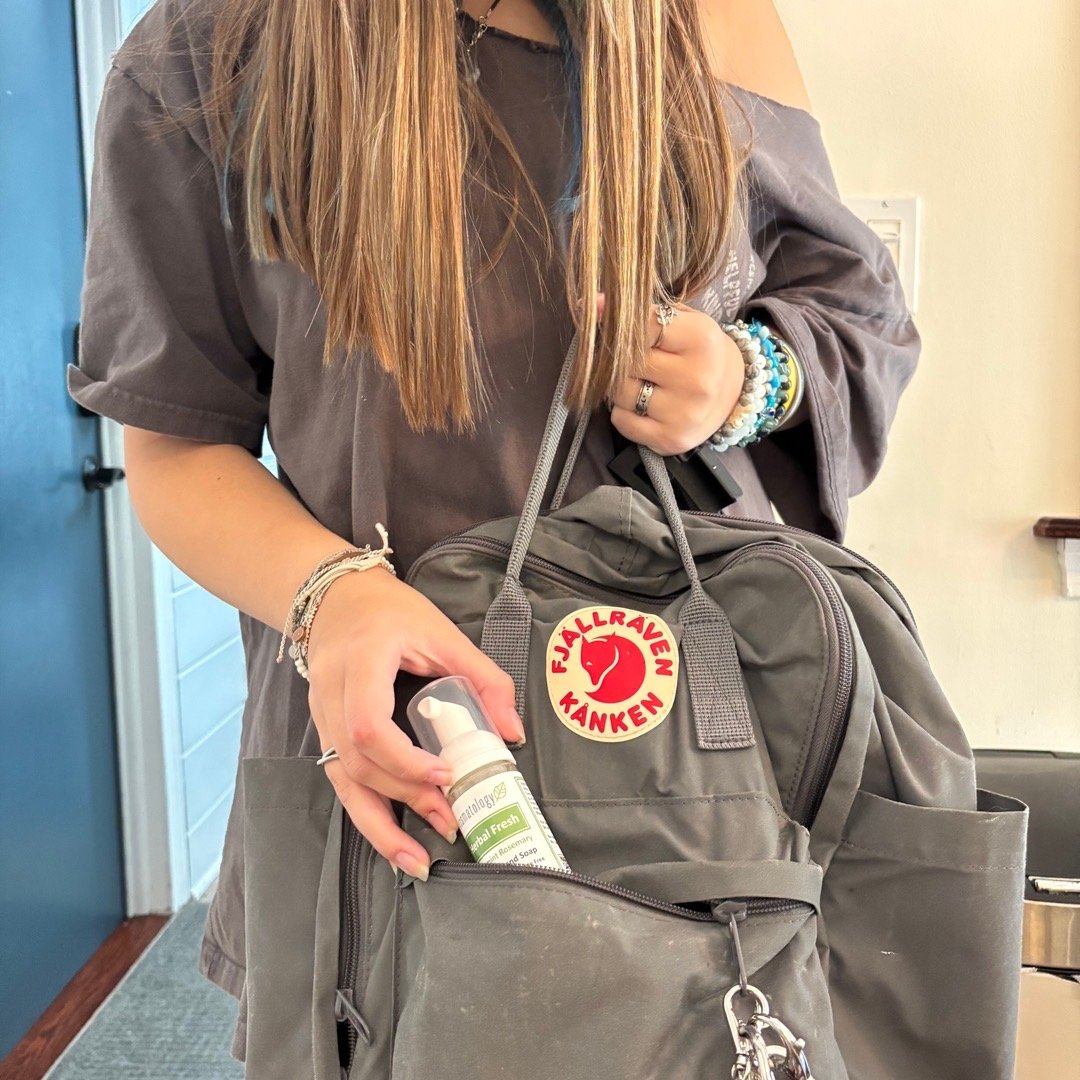
Back-to-school season is all about fresh starts. Whether you're packing backpacks, moving into a dorm, or getting back into a routine, it's also the perfect time to refresh your skincare habits.
Long school days, sports practices, frequent handwashing, shared classrooms, and changing weather can all take a toll on your skin. The good news? Keeping your skin healthy doesn't require a complicated routine. A few simple habits, and the right products can help keep your skin clean, comfortable, and ready for whatever the school year brings.

Why Are My Lips More Chapped in Summer?
When most people think about chapped lips, they picture cold winter weather, dry indoor heating, and freezing temperatures.
But every summer, I hear the same question:
"Why are my lips so dry right now?"
As a pharmacist and skincare formulator, I can tell you that summer can be surprisingly tough on your lips. In fact, many of the activities we love most during the warmer months can contribute to dryness, peeling, and discomfort.
If your lips feel dry no matter how often you're reaching for lip balm, one (or more) of these summer culprits may be to blame.
Why You Don't Need Antibacterial Soap
Walk down the hand soap aisle and you'll see plenty of products marketed as "antibacterial." It's easy to assume these products must be better at keeping your family healthy than regular soap.
But according to the FDA, that's not necessarily true.
In a consumer update, the FDA states that there is not enough evidence to show that over-the-counter antibacterial soaps are more effective at preventing illness than washing with plain soap and water.
In other words, when it comes to everyday handwashing, plain soap works.
Why Harsh Acne Products Can Make Breakouts Worse
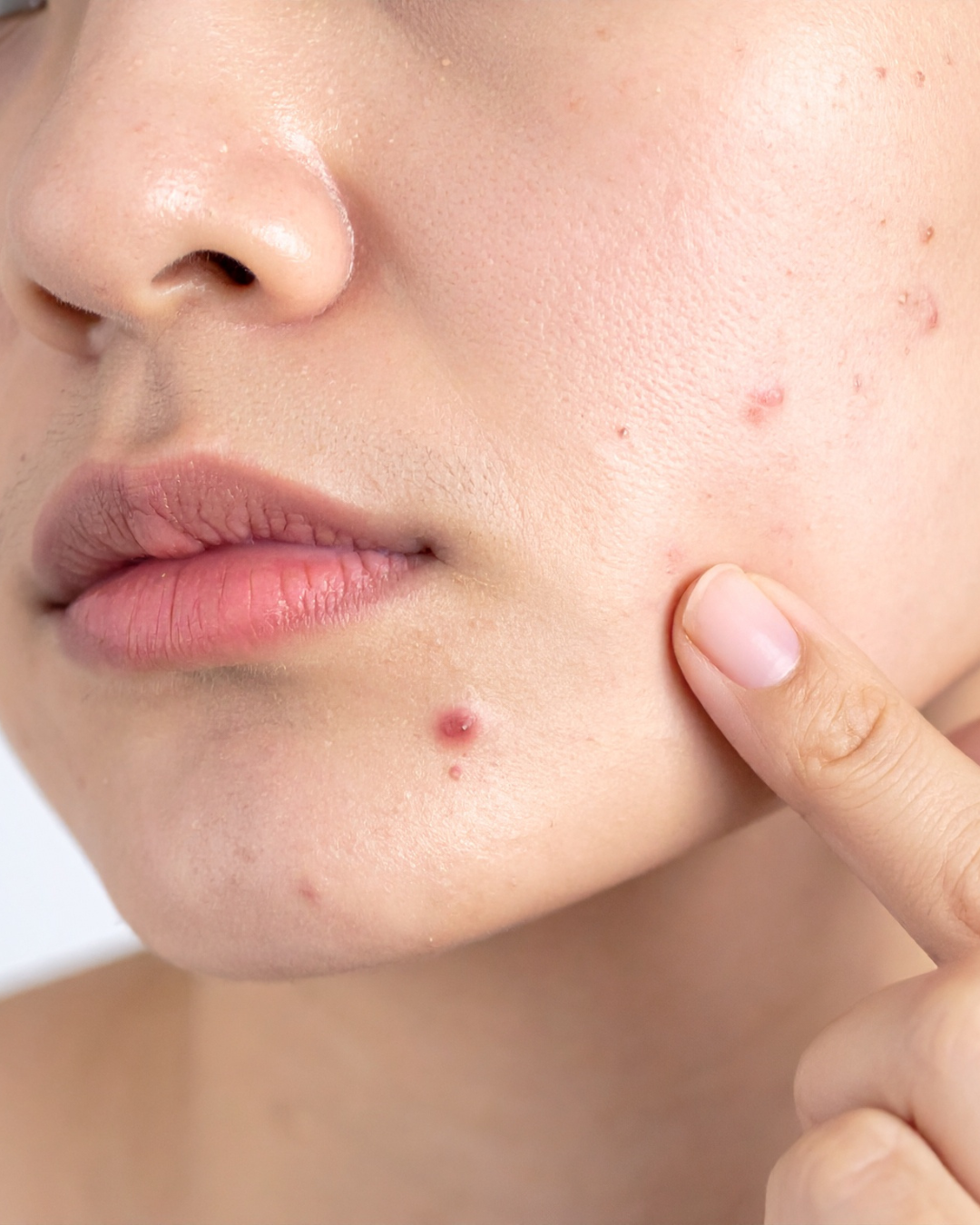
When acne breakouts rear their ugly head, the instinct is often to fight them as aggressively as possible. Many of us grew up believing that acne-prone skin needs to be scrubbed, dried out, and stripped of its natural oils completely. So it’s easy to gravitate toward strong cleansers, harsh toners, exfoliants, and spot treatments all at once in hopes of clearing skin quickly.
But acne-prone skin is often already irritated and inflamed, and in many cases, overly harsh skincare can make things worse instead of better.
Skin that feels tight, burning, flaky, or overly dry is usually not balanced skin. In fact, over-stripping the skin barrier can sometimes increase irritation and leave skin feeling even more reactive. A gentler approach focused on supporting the skin rather than attacking it is often easier for acne-prone skin to tolerate and maintain over time.
How to Treat Bug Bites Naturally: Remedies for Mosquito Bite Itching and Swelling
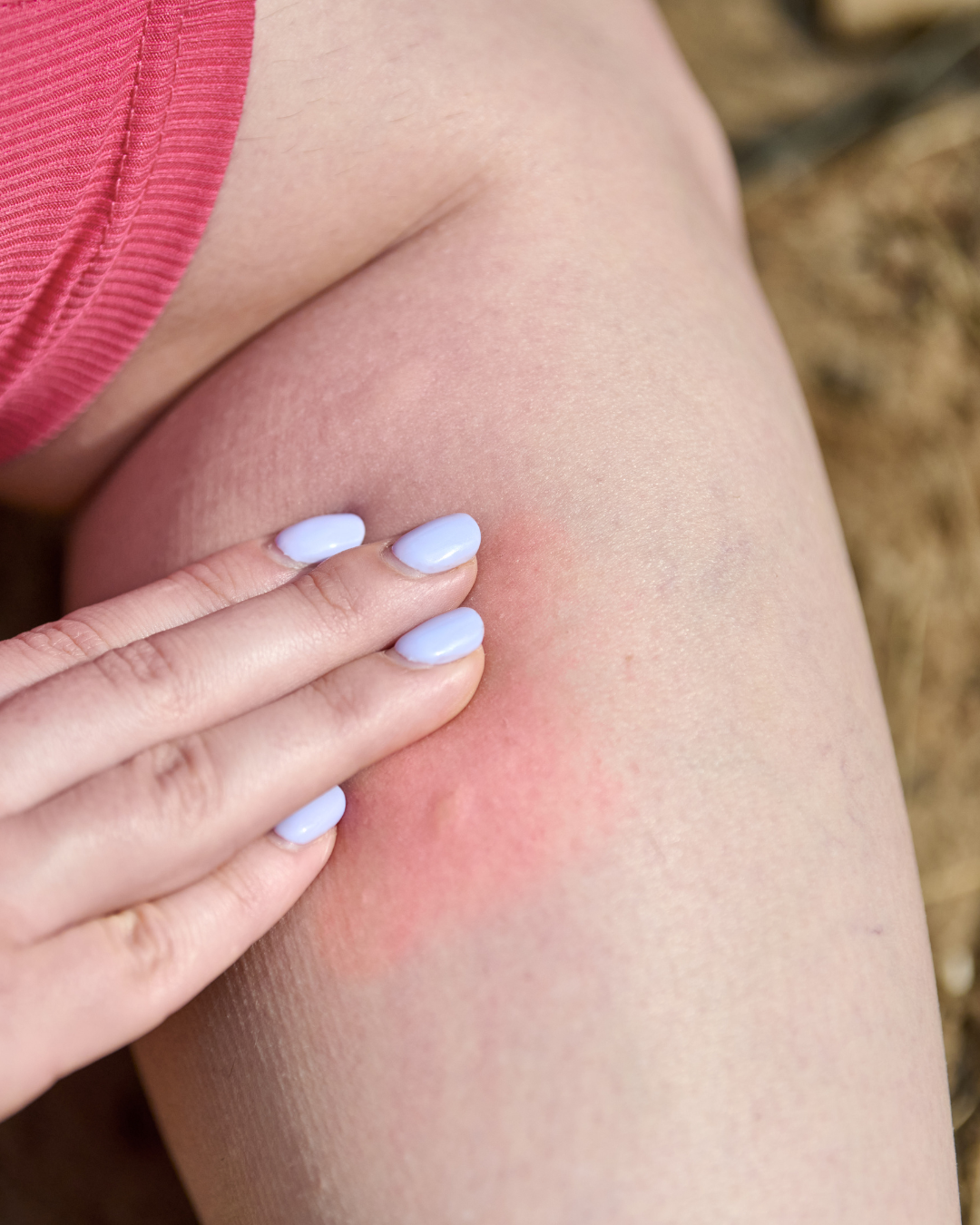
Spending time outdoors in the warmer months often comes with an unwelcome side effect: bug bites. Mosquitoes, gnats, and other insects can leave behind itchy, swollen bumps that can be uncomfortable and irritating.
Many people search for natural remedies for bug bites because they want relief from itching without using harsh chemicals. Fortunately, there are several gentle remedies can help calm inflammation, reduce itching, and support the skin’s natural healing process.
WHAT IS WATERLESS SKINCARE?
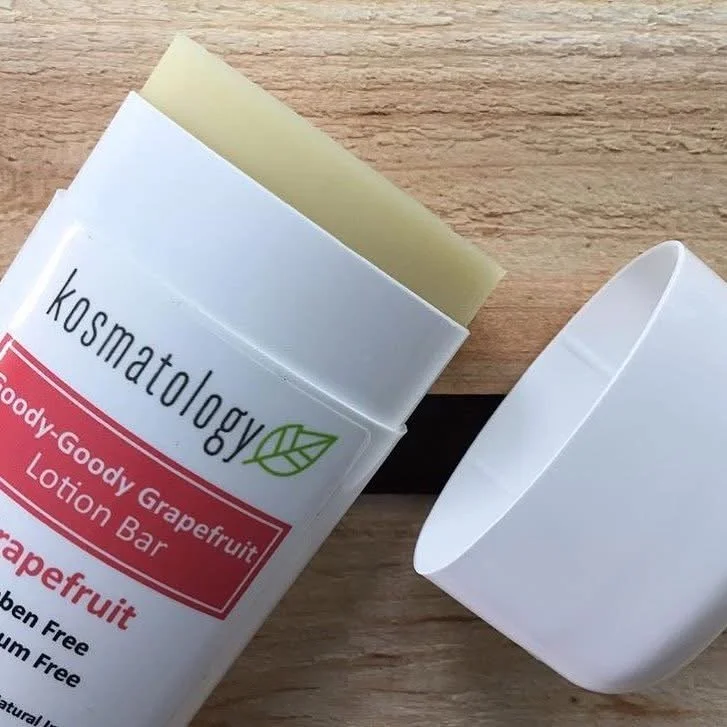
Waterless skincare refers to products formulated without added water. Instead of using water as a primary ingredient, these products rely on concentrated, skin-nourishing components such as plant oils, butters, and waxes.
In many conventional skincare products, water (often listed as “aqua”) is the first ingredient. While it helps create lightweight textures and easy spreadability, it can also dilute the overall effectiveness of a product.
If you’ve ever experienced irritation from traditional products, it may be helpful to understand how ingredients like fragrance and preservatives impact the skin.
Allergy Relief Tea Cubes: A Natural Way to Support Seasonal Symptoms
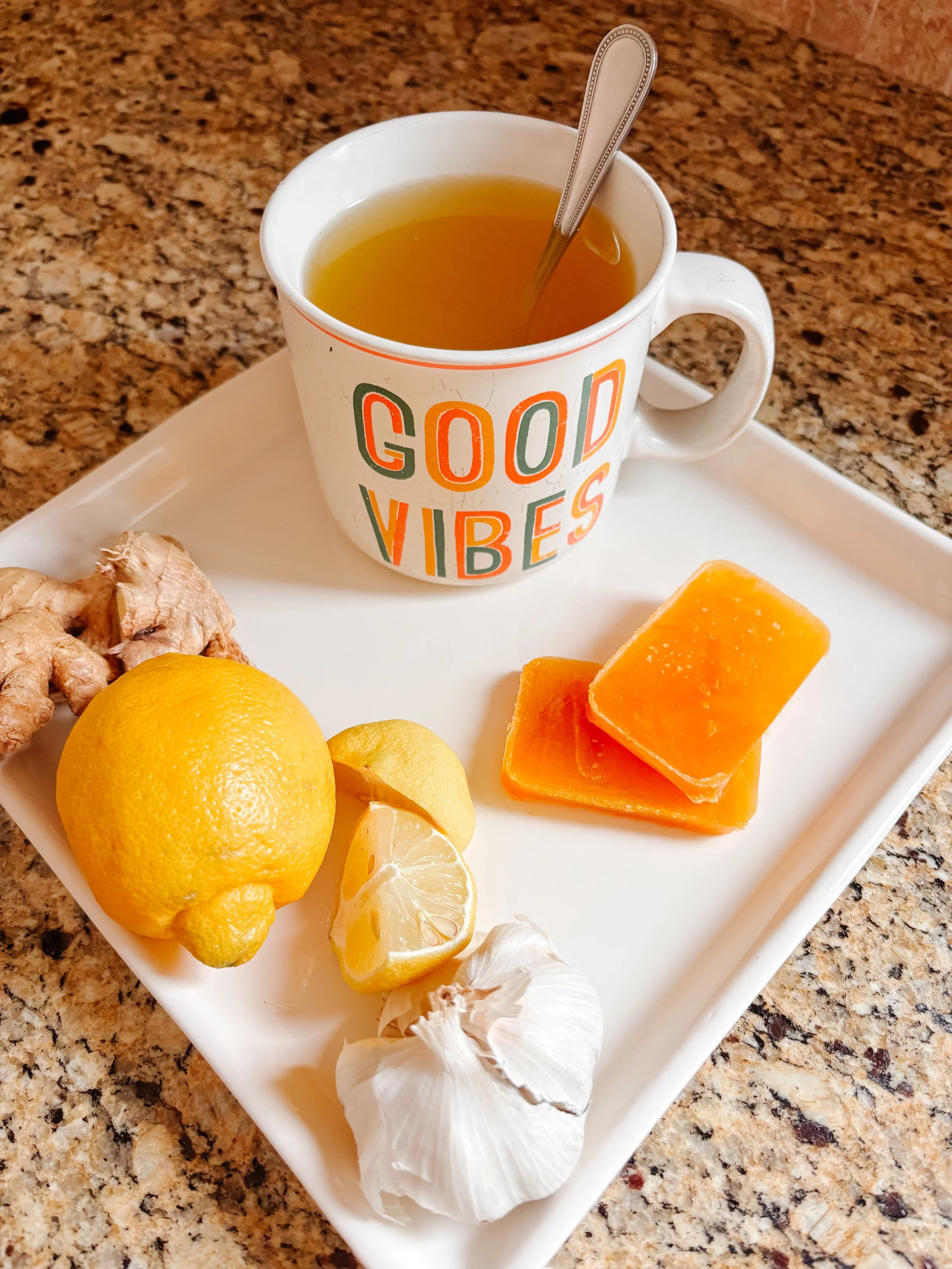
f you deal with seasonal allergies, you know how disruptive they can be—congestion, throat irritation, and that constant run-down feeling.
While natural remedies aren’t a replacement for allergy medications, certain ingredients may help support your body and provide relief from mild symptoms.
These allergy relief tea cubes are a simple, make-ahead way to have a soothing drink ready whenever you need it.
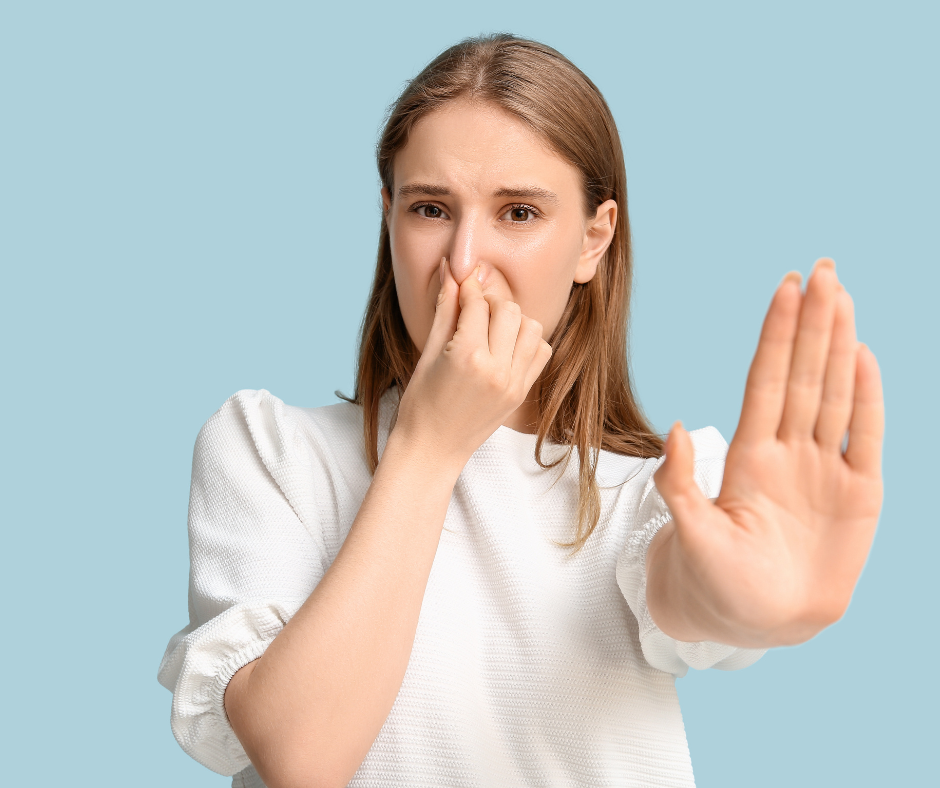
Why Fragrance in Hand Soap Can Irritate Sensitive Skin
For many people, fragrance is what makes a hand soap feel luxurious. A pleasant scent can make washing your hands feel refreshing and enjoyable. But for others, fragrance in hand soap can cause dryness, irritation, or even allergic reactions.
Fragrance is one of the most common causes of skin irritation in personal care products. In hand soap, fragrance ingredients can trigger redness, itching, or dryness for people with sensitive or eczema-prone skin.
If you’ve ever noticed your hands feeling itchy, tight, or uncomfortable after washing, fragrance in hand soap may be one of the reasons.
Understanding how fragrance works in hand soap can help you choose products that support your skin rather than aggravate it.
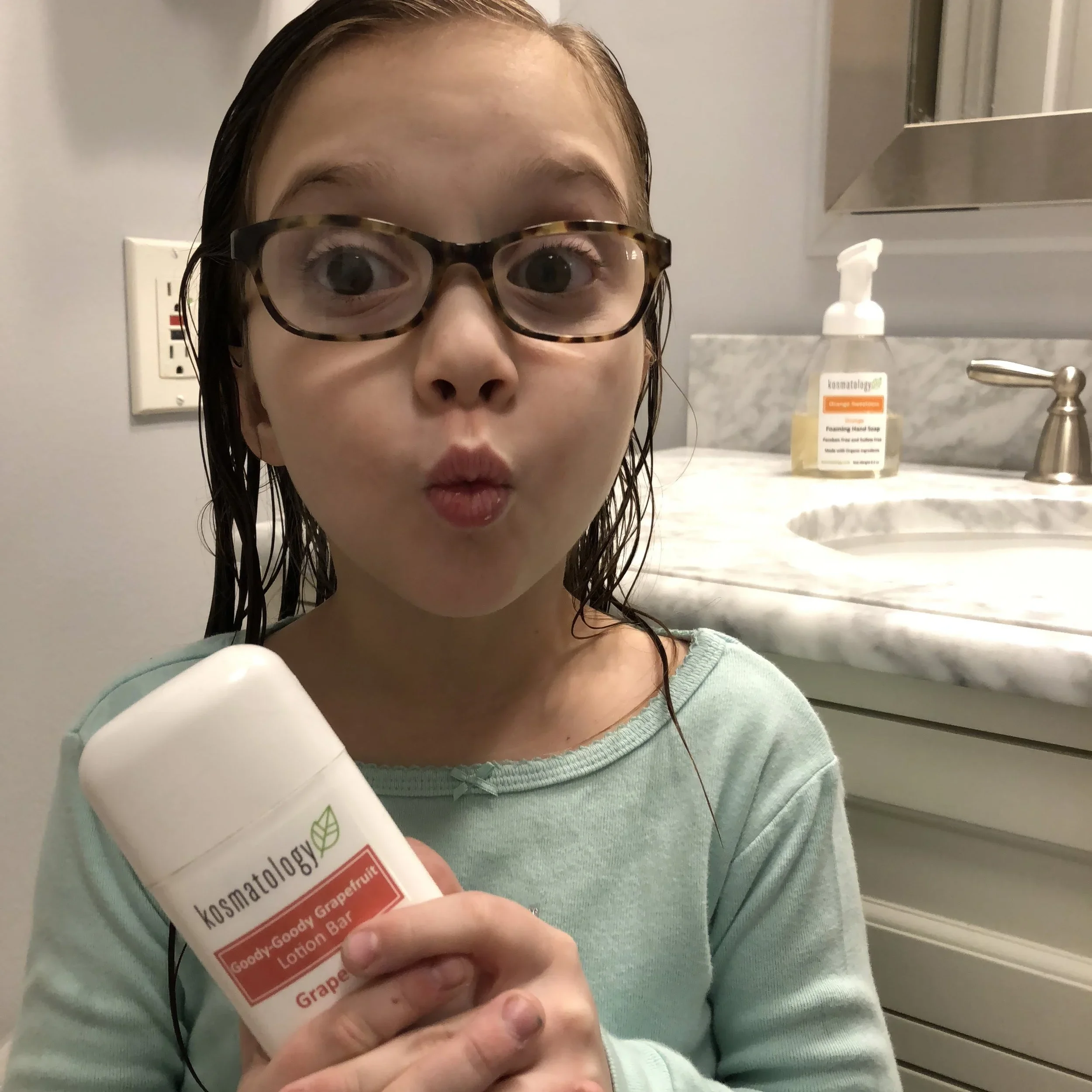
Best Moisturizer for Kids with Eczema (How to Support Sensitive Skin Naturally)
Eczema is one of the most common skin conditions in children. Characterized by dry, itchy, inflamed skin, eczema can make everyday activities uncomfortable for kids and stressful for parents trying to manage flare-ups.
While eczema has many triggers, one of the most important parts of managing symptoms is consistent moisturizing. Supporting the skin barrier with gentle, nourishing moisturizers can help reduce dryness, calm irritation, and protect sensitive skin.
Understanding what to look for in a moisturizer—and what to avoid—can make a big difference when caring for children with eczema.
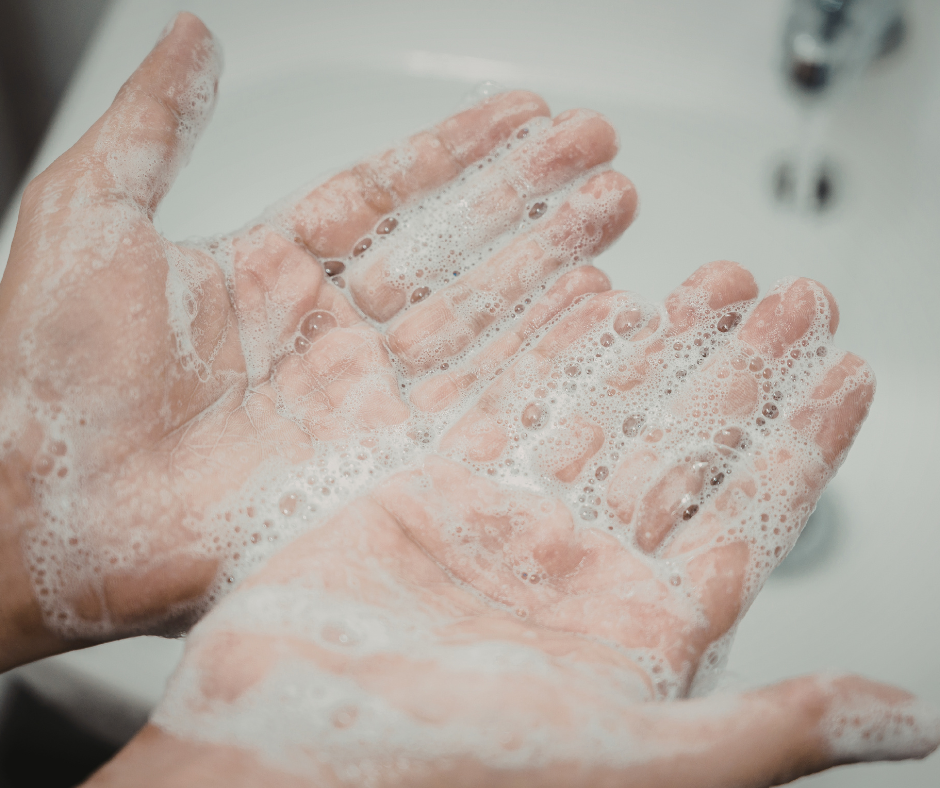
Why Does Hand Soap Dry Out Your Hands? Causes and How to Prevent It
Handwashing is essential for preventing the spread of germs, but if your hands feel dry, tight, or irritated afterward, your hand soap may be part of the problem.
Soap removes dirt and oils from the skin, but some formulas can also remove too much of the natural oil that helps protect the skin barrier. Frequent handwashing can make that dryness even more noticeable.
As a pharmacist and skincare formulator, I believe you shouldn't have to choose between clean hands and comfortable skin. Understanding why soap dries out your hands can help you choose a gentler cleanser and make a few simple changes to protect your skin barrier.

Sensitive Skin: Signs, Causes & How to Build a Gentle Skincare Routine
Sensitive skin affects millions of people and is often linked to a weakened skin barrier. This complete guide explains what causes sensitive skin, common triggers to avoid, and how to build a gentle skincare routine that supports long-term skin health.
Sensitive skin is incredibly common — and often misunderstood.
As a compounding pharmacist and founder of Kosmatology, I began formulating gentle skincare when my infant daughter developed eczema. What I learned through research, formulation, and years of working with sensitive skin families is this:
Sensitive skin isn’t weak.
It’s reactive and it needs support, not aggression.
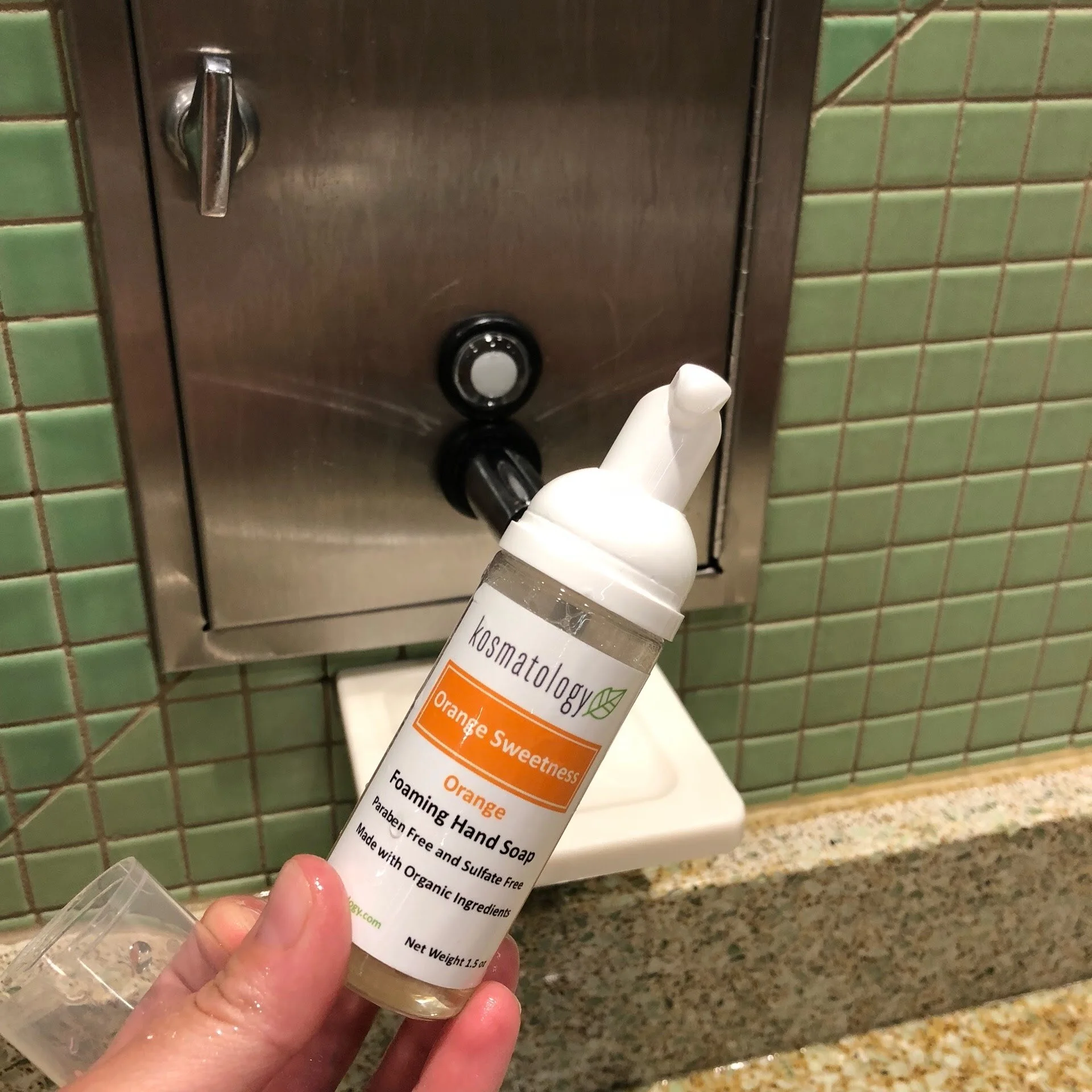
What’s Really in Public Restroom Hand Soap (The Pink Stuff)?
If you’ve ever washed your hands in a public restroom, you’ve likely encountered the familiar bright pink soap. It’s widely used in schools, offices, hospitals, and public facilities—but few people stop to consider what’s actually in it or how those ingredients affect skin health.
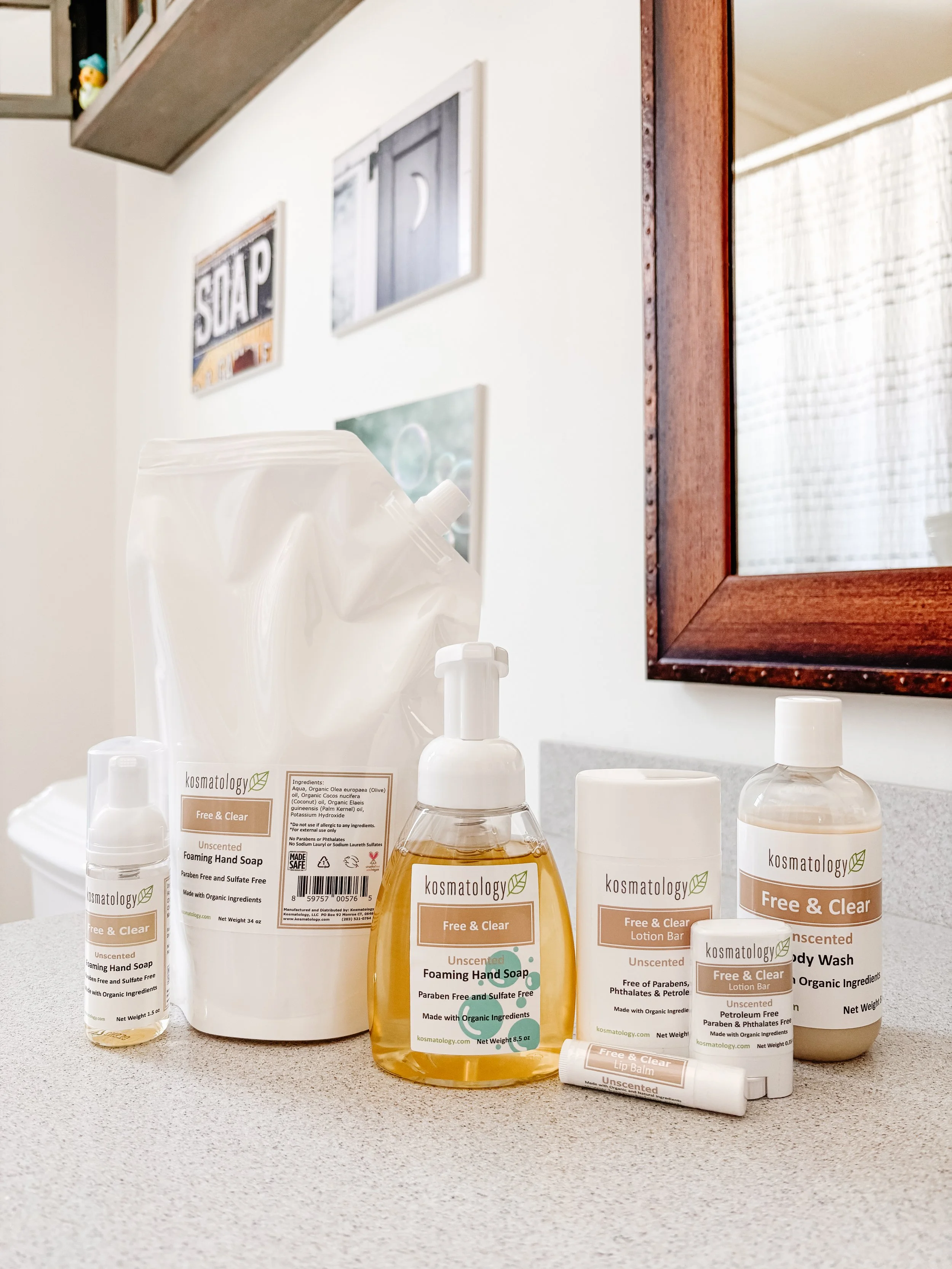
Why Unscented Skincare Matters More Than You Think
When it comes to skincare, scent often steals the show. From floral face creams to citrusy body washes, fragrance can be a delightful part of the experience. But for many, scent—whether natural or synthetic—can cause irritation, allergies, or simply be overwhelming. That’s where unscented products shine.