
Easy Eco-Friendly Swaps for Earth Day (That Make a Real Difference)
Earth Day is a great reminder to take a closer look at our everyday habits and find simple ways to live more sustainably. If you’ve found your way to the Kosmatology blog, chances are you already try to make thoughtful choices for your health and the environment. But even small changes can add up over time, and sometimes the easiest swaps make the biggest difference.
Living a completely zero-waste lifestyle isn’t realistic for most people, especially with busy families, work, and daily responsibilities. The good news is that you don’t have to be perfect to make progress. Choosing reusable, compostable, or lower-impact products where you can is a great place to start.
Here are a few simple, eco-friendly swaps that are easy to implement and can help reduce waste at home.

Switch to Bamboo Toothbrushes
One of the easiest sustainable swaps to start with is your toothbrush. Traditional plastic toothbrushes can take hundreds of years to break down, and billions end up in landfills each year.
Bamboo toothbrushes are a popular alternative because bamboo is a fast-growing, renewable resource. Many bamboo toothbrush handles can be composted once the bristles are removed (always check the manufacturer’s instructions).
They also look great in the bathroom, especially if you keep your toothbrushes visible on the counter or in a small space.
When choosing a bamboo toothbrush, look for:
Soft or medium bristles
Compostable or plant-based materials when possible
Packaging that is recyclable or minimal
Small choices like this may seem minor, but replacing an everyday item with a more sustainable version is one of the easiest ways to reduce long-term waste.
Compostable Plates and Party Supplies
Entertaining can create a surprising amount of waste, especially when disposable plates, cups, and cutlery are involved. While washing dishes is always the most eco-friendly option, compostable tableware can be a helpful middle ground when hosting larger gatherings or outdoor events.
Palm-leaf plates, compostable utensils, and paper-based products made from renewable materials are widely available and designed to break down more naturally than traditional plastic.
These products can be especially useful for:
Backyard gatherings
Birthday parties
Picnics and barbecues
Events where washing dishes isn’t practical
If you’re already composting at home, these items can often be added directly to your compost pile. If you’re new to composting, you may find our guides on what composting is and why it matters and how to start composting at home helpful for getting started.
Reusable Produce and Grocery Bags
Reusable grocery bags have become common, but many shoppers still use single-use plastic bags for produce. Switching to reusable mesh produce bags is an easy way to cut down on plastic waste each week.
Reusable produce bags are:
Lightweight and washable
Durable enough for repeated use
Useful beyond groceries, such as for snacks, travel, or organizing small items
One of the best sustainability habits is simply using items you already own for as long as possible. Reusable bags that last for years often have a much lower environmental impact than repeatedly buying disposable ones.
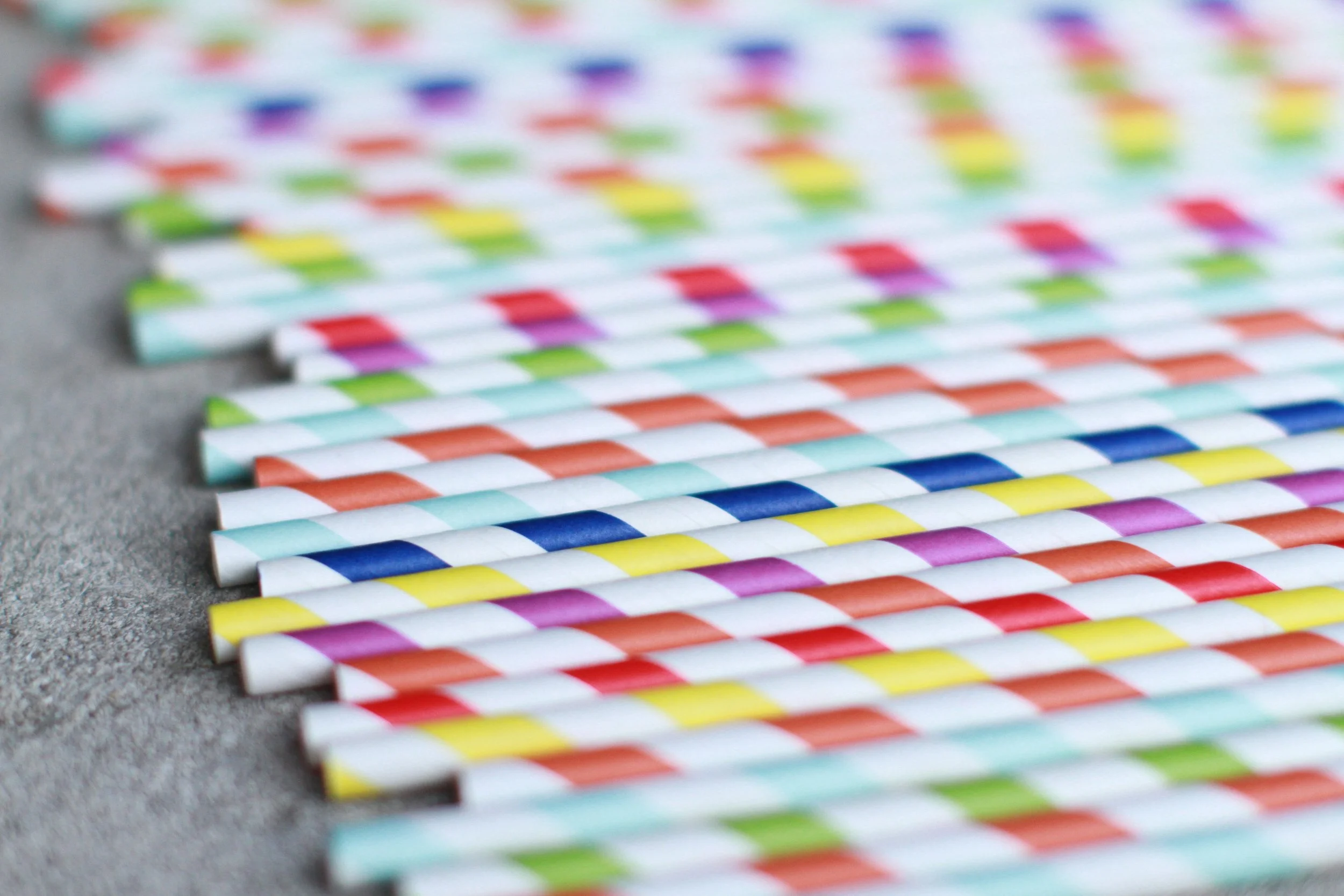
Skip Single-Use Straws
Plastic straws are small, but their environmental impact is significant. Because they are lightweight and difficult to recycle, many end up in waterways and oceans.
The easiest solution is simply to skip the straw when you can. But if you prefer using one, reusable options are widely available in materials like:
Stainless steel
Glass
Silicone
Bamboo
Many reusable straw sets come with a small carrying case and cleaning brush, making them easy to keep in a purse, backpack, or car.
If reusable straws aren’t practical for your household, paper or plant-based compostable straws are another good alternative.
Reduce Waste in Everyday Household Products
Another area where small changes add up quickly is household and personal care products. Choosing concentrated or water-free products can help reduce packaging waste, shipping weight, and overall resource use.
Solid products such as lotion bars and other concentrated skincare products often:
Require less packaging
Last longer per use
Eliminate the need for certain preservatives
Reduce shipping emissions due to lower weight
Making small changes in the products we use daily can have a meaningful long-term impact.
Progress Over Perfection
One of the biggest barriers to living more sustainably is the idea that you have to do everything at once. In reality, the most effective changes are often gradual and realistic.
You might start by:
Replacing one disposable product with a reusable one
Composting food scraps
Choosing products with minimal packaging
Supporting companies that prioritize sustainability
Over time, these small decisions become habits, and those habits add up.
Why Small Changes Matter
Every reusable item, every composted scrap, and every thoughtful purchase helps reduce waste and conserve resources. While one person’s choices may seem small, collective action creates real change.
Sustainability doesn’t have to be overwhelming. It can start with simple steps, taken one at a time.
Final Thoughts
Earth Day is a great reminder to reflect on how our everyday choices affect the world around us, but sustainable living isn’t just for one day a year. Small, consistent changes can help protect the environment while also simplifying your home and routines.
We’d love to hear from you—what are your favorite eco-friendly swaps or sustainability tips? Share them in the comments and help inspire others.