
Sustainable Skincare: How Kosmatology Reduces Waste and Plastic
🌍 Updated for Earth Day
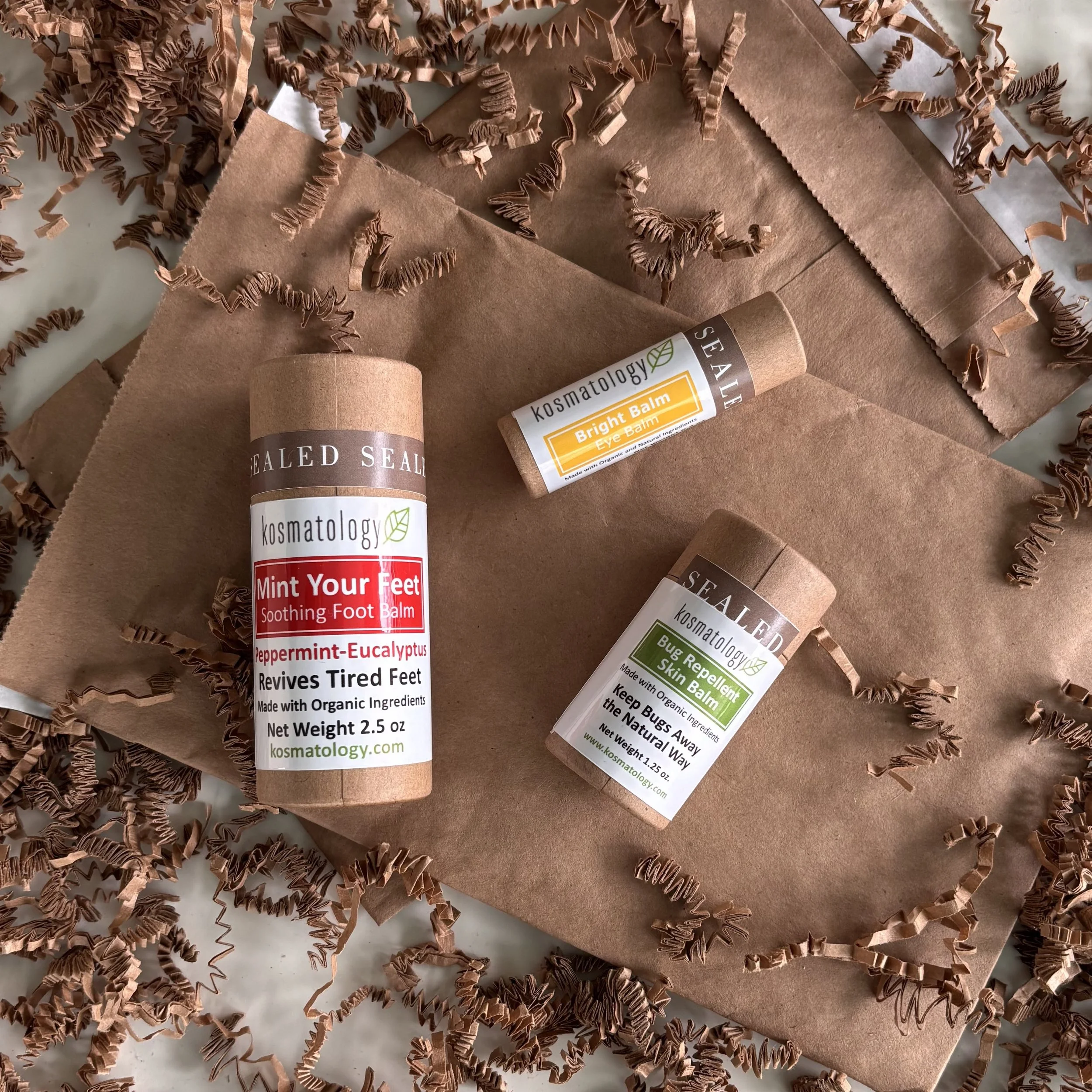
As we celebrate Earth Day, we’re taking a moment to reflect on the steps we’ve taken—and continue to take—to reduce our environmental footprint.
Sustainability has always been part of how we formulate, package, and ship our products. Below is a closer look at what that looks like in practice.
Our Ever-Increasing Commitment to Sustainability
We often hear companies use terms like eco-friendly, sustainable, and environmentally responsible. These words sound great—but what do they actually mean in practice?
Sustainable skincare is about more than just ingredients. It includes packaging, manufacturing, and everyday choices that help reduce waste and environmental impact.
We thought we’d take a moment to share some of the real steps our small business is taking to reduce waste, conserve resources, and operate more sustainably. Many of these efforts align with other low-waste habits, like composting at home and choosing products with minimal packaging.
What Sustainable Skincare Really Means
Sustainable skincare isn’t just about ingredients. It includes:
Packaging choices
Manufacturing practices
Shipping materials
Product concentration and shelf life
Waste reduction
We evaluate each of these areas as we develop and improve our products.
Why These Choices Matter
Small, everyday products like hand soap, lip balm, and lotion are used daily. Over time, the packaging and ingredients behind those products can add up.
By choosing refillable, compostable, and concentrated options, it’s possible to reduce waste in a meaningful way without overcomplicating your routine.
What We’re Doing to Reduce Our Footprint
Solar-powered production
Waterless, concentrated formulas
Compostable packaging
Refillable glass bottles
Recycled shipping materials
How Kosmatology Is Working Toward a More Sustainable Future
1. Solar Power in Our Labs
We currently use solar panels to supply about 50% of the electricity used to operate our labs. Renewable energy helps reduce reliance on fossil fuels and lowers our overall carbon footprint.
As of this writing, our solar panels have offset more than 140,000 pounds of carbon dioxide—and that number continues to grow.
2. Water-Free, Concentrated Formulas
Several of our products are made without added water and are offered in solid, concentrated formats. This approach provides multiple sustainability benefits:
Concentrated products require less packaging
They are lighter to ship, reducing transportation emissions
They often require fewer preservatives
No water used in manufacturing
Solid products like lotion bars and bug balm are a simple way to reduce packaging and environmental impact while still caring for your skin. Because they are concentrated and water-free, they require less packaging and fewer preservatives compared to traditional lotions.
3. Compostable Paperboard Packaging
We have been gradually transitioning many products from plastic packaging to push-up balm tubes made from renewable, sustainably sourced kraft paper.
These containers:
Are compostable and biodegradable
Use a plant-based wax lining to create an oil-resistant barrier
Are recyclable in many areas
Reducing plastic packaging is an important step toward lowering long-term environmental impact. If you’re already composting at home, you may also be interested in learning what you can compost and how composting helps reduce waste overall.
4. EcoEnclose Recyclable Mailers
Our shipping materials are another area where we’ve worked to improve sustainability. We use EcoEnclose padded mailers made from 100% recycled paper and printed with Algae Ink.
Algae Ink uses pigments derived from algae rather than petroleum-based sources, making it more compatible with recycling and composting processes while reducing dependence on fossil fuels.
5. Refillable Products That Reduce Plastic
We also offer refillable glass foamer bottles for our foaming hand soaps. Using refillable hand soap options with reusable bottles helps reduce single-use plastic and encourages reuse in everyday routines.
Our foaming hand soap refill bags are designed to make refilling simple while reducing packaging waste.
Choosing refillable products is also helpful for people with sensitive skin, since simpler, fragrance-free formulas often reduce unnecessary additives. Our Complete Sensitive Skin Guide explains how ingredient choices impact skin health.
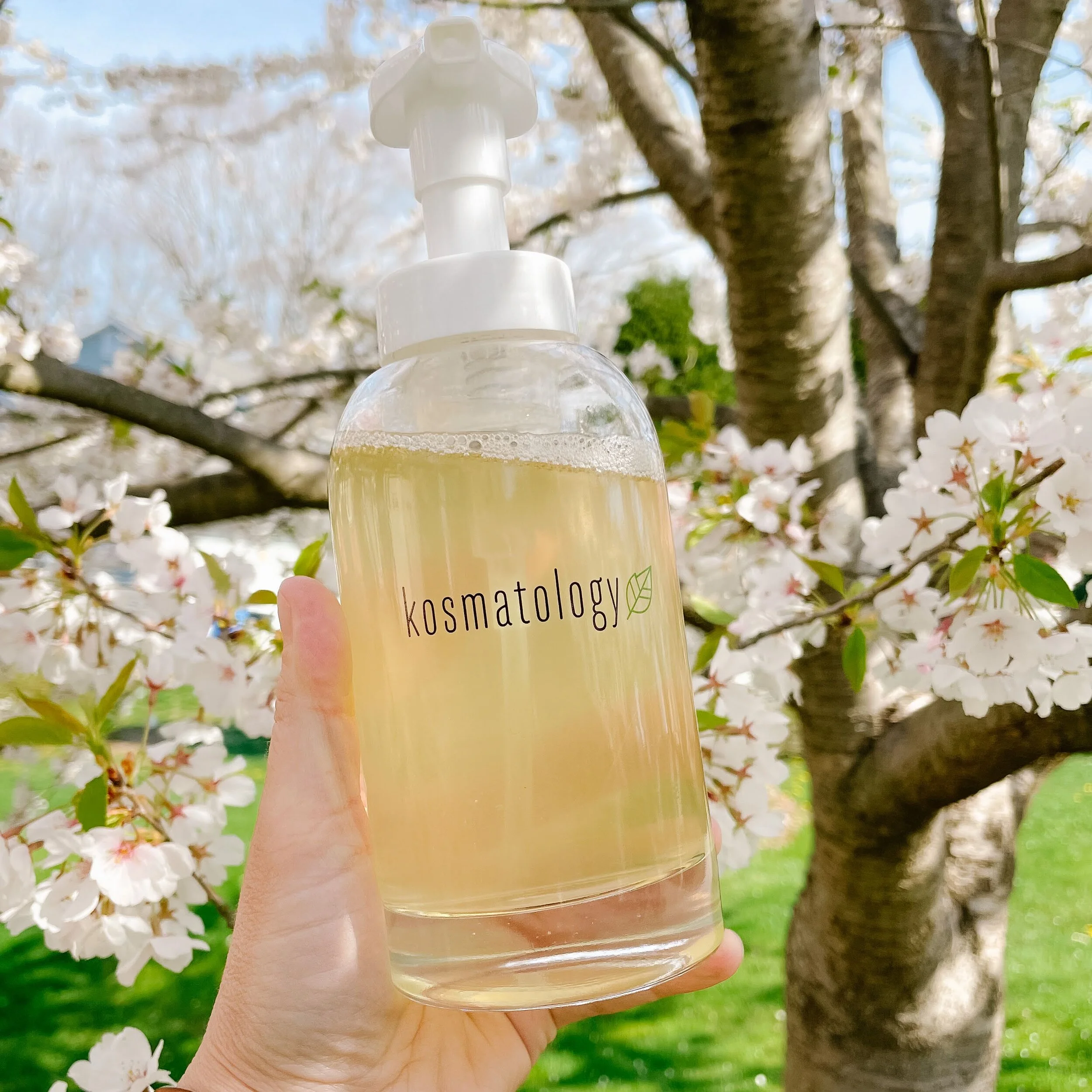
Small changes like refilling instead of replacing can significantly reduce household waste over time. You can explore our refillable foaming hand soaps here.
Simple Ways to Live More Sustainably at Home
You don’t need to overhaul your life to reduce waste. Small steps can add up:
Compost food scraps
Choose refillable products
Use concentrated or solid products
Reduce single-use plastics
Buy products that last longer
These habits often save money and reduce clutter as well.
Make a Small Change Today
If you’re looking for simple ways to reduce waste in your routine, choosing refillable and waterless products is a great place to start.
Explore our low-waste skincare options
Sustainability Is a Journey
We’re proud of the steps we’ve taken, but sustainability is an ongoing process. As a small business, changes take time to implement thoughtfully and responsibly. We also believe that sustainability means using existing materials responsibly rather than discarding them simply to appear “greener.”
Our goal is to keep improving—step by step—for our families, our customers, and the planet we all share.
If you’re interested in other ways to reduce waste at home, you can start by learning how to start composting and making small, practical changes that add up over time.
Frequently Asked Questions About Sustainable Skincare
-
A: Sustainable skincare focuses on reducing environmental impact through thoughtful ingredient sourcing, minimal packaging, responsible manufacturing, and waste reduction.
-
A: Skincare products can reduce plastic waste by using refillable packaging, compostable materials, and concentrated formulas that require less packaging overall.
-
A: Waterless or concentrated products are often more sustainable because they require less packaging, are lighter to ship, and typically need fewer preservatives.
-
A: Choosing refillable products, using concentrated formulas, reducing single-use packaging, and buying products that last longer are simple ways to reduce waste.

About the Author
Janis Covey, PharmD
Compounding pharmacist and founder of Kosmatology, Janis formulates gentle skincare designed for sensitive skin and families. Her work focuses on ingredient transparency, skin barrier support, and simple routines that help skin stay comfortable and healthy. Learn more about her approach to skincare on the About Kosmatology page.
Related Reading
• Ingredients to Avoid in Personal Care and Household Products
• Why Fragrance-Free Skincare Matters
• The Complete Sensitive Skin Guide
• Best Body Wash for Sensitive Skin
• Understanding Dry Skin: Causes and Treatment