
Sugar and Skin Aging: How Glycation Affects Collagen
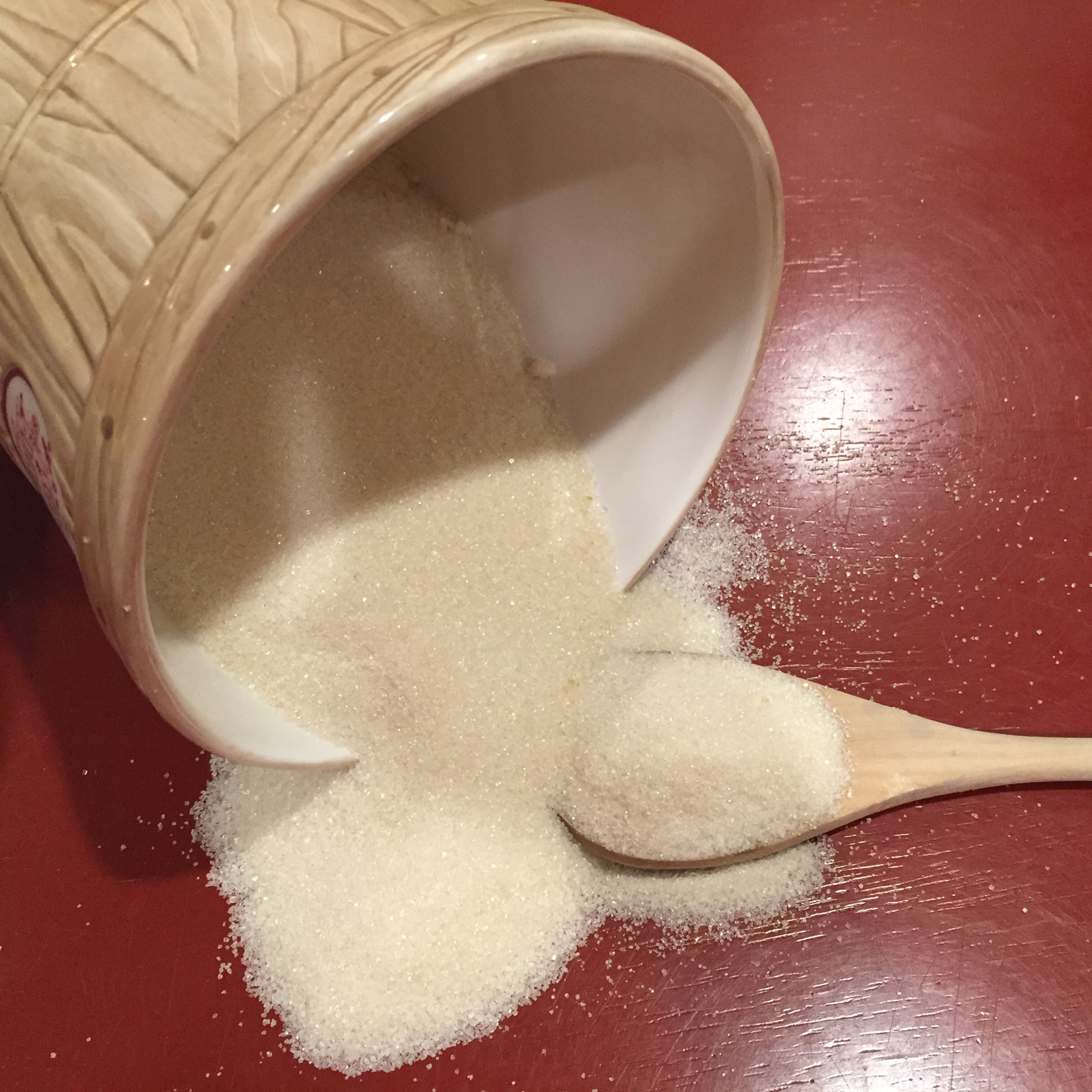
We often hear that sun exposure, smoking, and dehydration contribute to premature skin aging. But another factor that receives less attention is dietary sugar.
Emerging research suggests that high sugar intake may contribute to visible skin aging through a natural biochemical process known as glycation.
Let’s break down what that means — and what you can do about it.
What Is Glycation?
Glycation occurs when excess sugar in the bloodstream binds to proteins, forming compounds known as advanced glycation end products (AGEs).
AGEs form naturally in the body, but higher blood sugar levels may increase their production.
Certain structural proteins are particularly vulnerable — especially collagen and elastin, which help maintain skin firmness and elasticity.
How Sugar Affects Collagen and Elastin
Collagen and elastin act as the skin’s support system.
When AGEs bind to these proteins, they can:
• Reduce flexibility
• Increase stiffness
• Contribute to loss of elasticity
• Accelerate visible signs of aging
Over time, this process may contribute to:
• Fine lines
• Wrinkles
• Sagging
• Dull texture
Collagen exists in several forms within the skin, including types I and III. Research suggests that glycation may alter the structure and stability of these proteins, potentially impacting skin resilience.
If you're interested in how diet supports healthy collagen production, you may also enjoy our Eating for Collagen blog.
AGEs and Oxidative Stress
Advanced glycation end products may also increase oxidative stress in the body.
Oxidative stress occurs when free radicals outnumber antioxidant defenses. This imbalance has been studied in relation to:
• Skin aging
• Inflammation
• Reduced skin barrier resilience
Supporting the body with antioxidant-rich foods, such as berries, leafy greens, green tea, and turmeric may help maintain balance.
You can learn more about antioxidant-rich options in our blogs on Matcha and our Golden Milk recipe.
How Much Sugar Is Too Much?
The average American consumes significantly more added sugar than recommended.
General dietary guidelines suggest limiting added sugars to approximately 10% of daily caloric intake. For many women, this equates to roughly 6–10 teaspoons per day.
Added sugars appear under many names, including:
• Corn syrup
• Dextrose
• Maltose
• Fruit juice concentrate
• Barley malt
• Maple syrup
• Molasses
Highly processed sweeteners such as high-fructose corn syrup are often discussed in research related to glycation due to their metabolic effects.
Being aware of hidden sugars in packaged foods can help reduce overall intake.
Supporting Skin from the Inside Out
Reducing excess sugar intake does not mean eliminating all carbohydrates or enjoying no treats. It means being mindful of patterns over time.
Simple adjustments may include:
• Reducing sugary beverages
• Choosing whole fruits over fruit juices
• Reading ingredient labels
• Focusing on nutrient-dense whole foods
Balanced blood sugar supports overall metabolic health — and healthy skin reflects internal balance.
Frequently Asked Questions
-
A: Sugar does not directly “cause” wrinkles, but excess sugar intake may contribute to glycation, a process studied in relation to collagen integrity and skin aging.
-
A: Advanced glycation end products (AGEs) are compounds formed when sugar binds to proteins in the body. They have been studied in connection with aging and oxidative stress.
-
A: Reducing added sugar may help support overall metabolic balance, which can contribute to healthier-looking skin over time.

About the Author
Janis Covey, PharmD
Compounding pharmacist and founder of Kosmatology, Janis formulates gentle skincare designed for sensitive skin and families. Her work focuses on ingredient transparency, skin barrier support, and simple routines that help skin stay comfortable and healthy. Learn more about her approach to skincare on the About Kosmatology page.