
Why Face Oils Are Good for Your Skin (And How to Use Them)
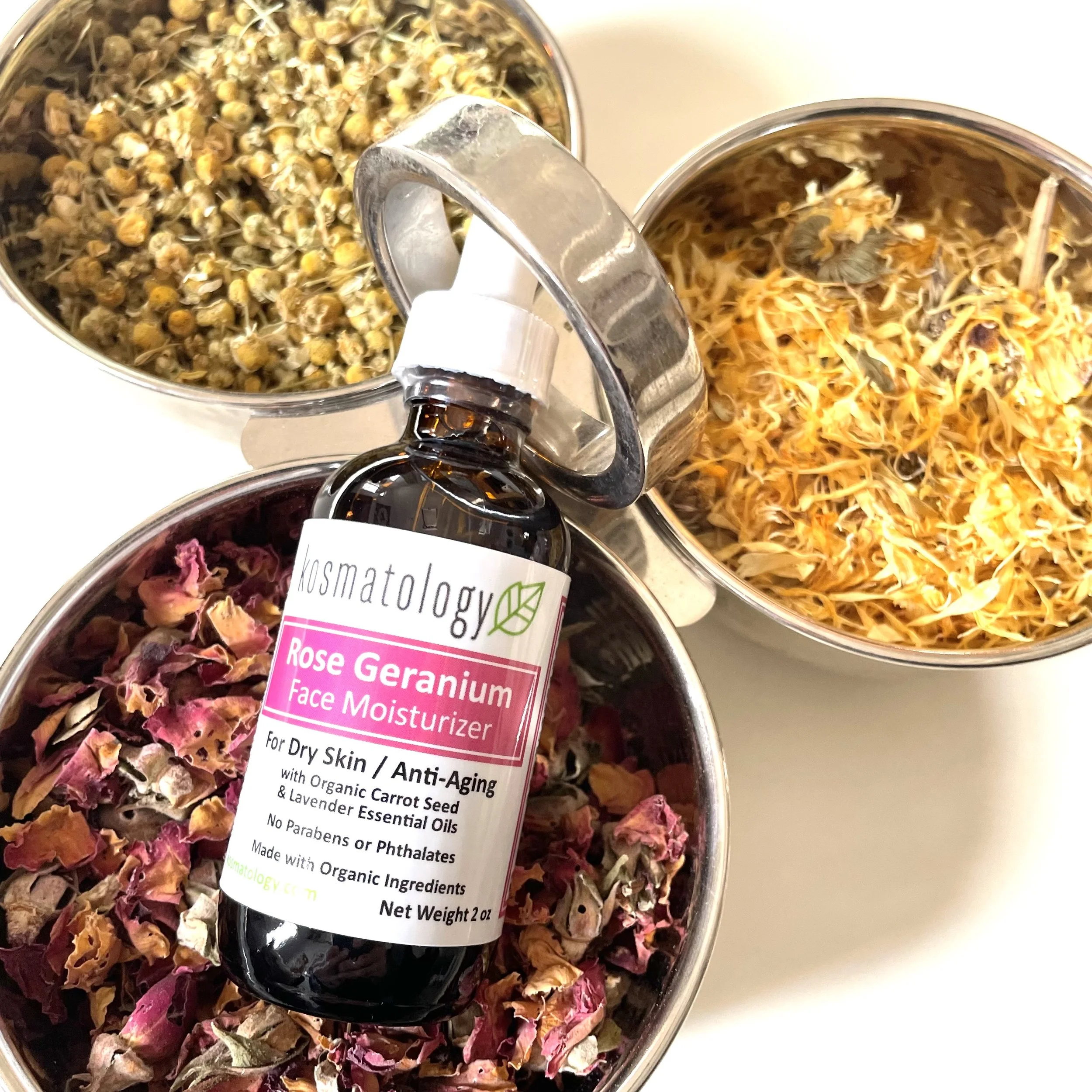
Many people hesitate to use oil on their face. A common concern is that oils will make skin greasy, clog pores, or cause breakouts. But when the right plant-based oils are used properly, facial oils can be one of the most effective and gentle ways to support healthy, balanced skin.
Understanding how facial oils work can help you choose the right moisturizer for your skin type and routine.
Why Skin Needs Oils
Your skin naturally produces oils, called sebum, that help:
Maintain moisture
Protect the skin barrier
Keep skin flexible and comfortable
Healthy, well-hydrated skin often appears smoother and more radiant because the outer layer of skin is supported by lipids (fats) that help hold moisture in place.
As we age, or when skin is exposed to environmental stressors, natural oil production can decrease. This can lead to dryness, tightness, or dull-looking skin. Applying plant-based oils can help replenish some of those lipids and support the skin barrier.
How Face Oils Help Moisturize Skin
Facial oils work by helping to:
Support the skin’s natural moisture barrier
Reduce moisture loss
Keep skin feeling soft and comfortable
Unlike many traditional creams, face oils do not require preservatives or emulsifiers because they do not contain water. This makes them a simple, minimalist option that many people with sensitive skin appreciate.
Face Oils vs. Face Creams
Both face oils and creams can be effective moisturizers, but they function differently.
Face creams typically contain:
Water
Oils
Emulsifiers or waxes
Preservatives
These ingredients help create a lightweight texture and deliver hydration, but some people find that heavier creams feel occlusive or do not absorb as well depending on skin type.
Face oils are usually:
Oil-based blends
Free of water
Free of emulsifiers
Because of their simplicity, oils can absorb easily and help seal in moisture, especially when applied to slightly damp skin.
Many people choose to use both—applying a hydrating product first and sealing it with a few drops of oil.
Do Oils Clog Pores?
One of the most common questions is: Do facial oils clog pores?
Not all oils behave the same way. Heavy mineral oils or certain animal fats can feel occlusive on some skin types, but many plant-based oils are lightweight and absorb quickly.
Examples of lightweight oils often used in skincare include:
Grapeseed oil
Hemp seed oil
Sweet almond oil
Rosehip oil
Jojoba oil
These oils are structurally similar to the natural lipids in skin, which is one reason many people tolerate them well.
If you have acne-prone skin, choosing lightweight, non-comedogenic oils and using a small amount can help maintain balance without feeling greasy.
Who Benefits Most from Facial Oils?
Facial oils can be helpful for many skin types, including:
Dry or mature skin
Oils help reduce moisture loss and improve comfort.
Sensitive skin
Simple formulations without fragrance or unnecessary additives may reduce the chance of irritation.
Combination skin
Using a small amount of oil can help support moisture balance without heaviness.
Acne-prone skin
Lightweight oils can sometimes help support the skin barrier, which is important for overall skin health.
How to Use Face Oil Properly
Using facial oil is simple:
Cleanse your skin gently
Apply any serums or water-based products first
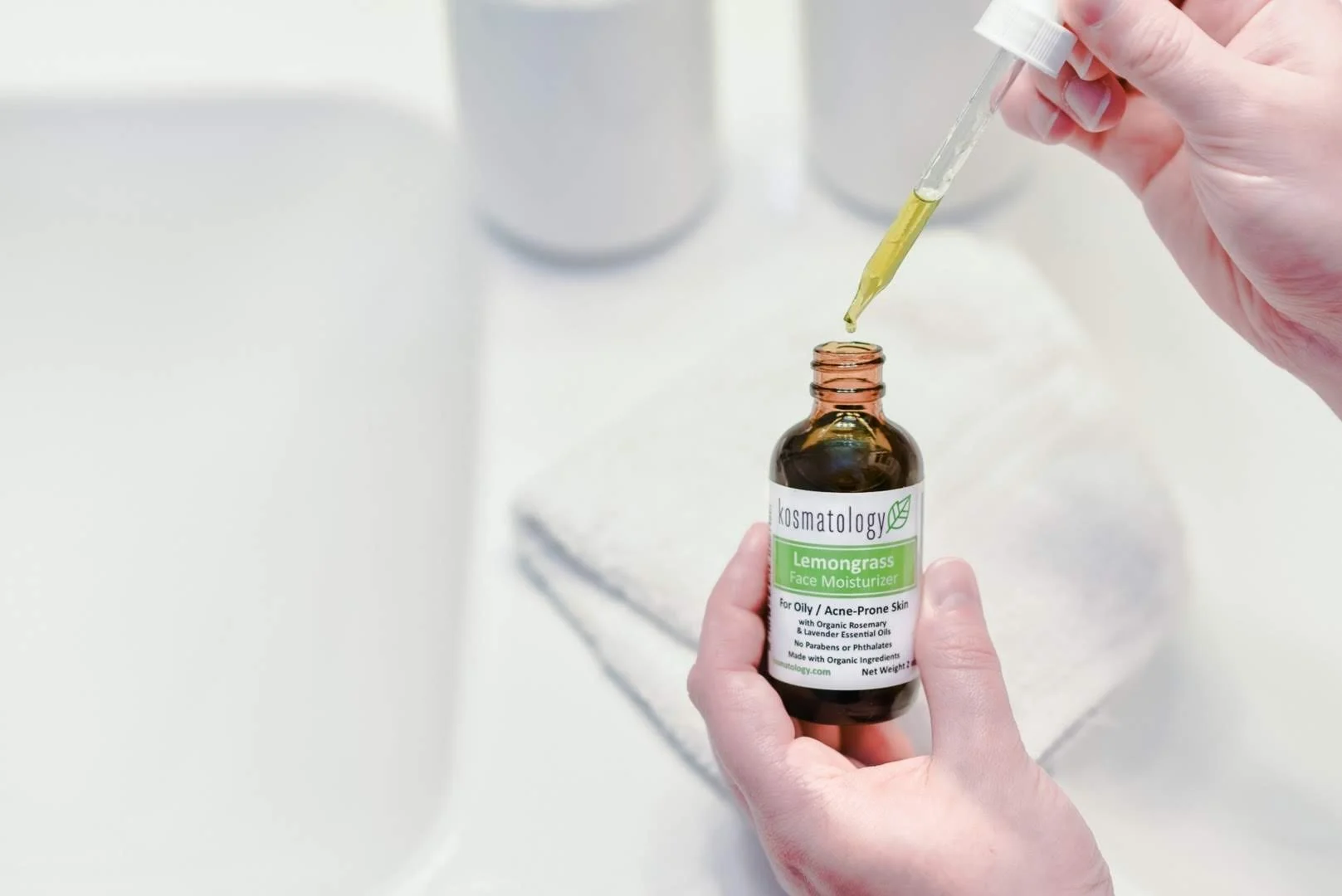
Warm 2–4 drops of oil in your hands
Press gently into the skin
Applying oil to slightly damp skin helps lock in hydration.
A little goes a long way, and using too much can make skin feel oily rather than hydrated.
Choosing a Quality Face Oil
When selecting a facial oil, look for:
Plant-based oils
Minimal ingredients
No artificial fragrance
Packaging that protects the oils from light and air
High-quality oils can help support the skin barrier and maintain comfortable, healthy-looking skin.
The Benefits of Face Oils for Skin
Facial oils provide several benefits for the skin because they help support the skin’s natural lipid barrier. This barrier plays an important role in maintaining hydration and protecting skin from environmental stressors. When used correctly, plant-based facial oils can help reduce moisture loss, improve skin softness, and support a healthy, balanced complexion. Many people also find that oils help give skin a naturally radiant appearance because well-moisturized skin reflects light more evenly.
Final Thoughts
Face oils are not just a trend—they are a simple, effective way to moisturize skin while supporting the skin barrier. When chosen carefully and used in small amounts, oils can help maintain moisture, protect the skin barrier, and keep skin feeling soft and balanced.
If you’ve never tried a face oil before, starting with a lightweight, plant-based blend can be a gentle way to see how your skin responds.
Frequently Asked Questions About Facial Oils
-
A: Yes. Facial oils can help support the skin barrier, reduce moisture loss, and keep skin feeling soft and comfortable when used appropriately.
-
A: Not all oils clog pores. Many lightweight plant-based oils absorb easily and are well tolerated by different skin types when used in small amounts.
-
A: Face oils are usually applied after water-based products like serums or lotions. Oils help seal in hydration and support the skin barrier.
-
A: Most people only need 2–4 drops. Applying too much can make skin feel greasy rather than hydrated.
-
A: Some people with acne-prone skin tolerate lightweight oils well, especially when used in small amounts as part of a balanced skincare routine.

About the Author
Janis Covey, PharmD
Compounding pharmacist and founder of Kosmatology, Janis formulates gentle skincare designed for sensitive skin and families. Her work focuses on ingredient transparency, skin barrier support, and simple routines that help skin stay comfortable and healthy. Learn more about her approach to skincare on the About Kosmatology page.