
Eco-Friendly DIY Valentine’s for Kids (No Candy, No Plastic)
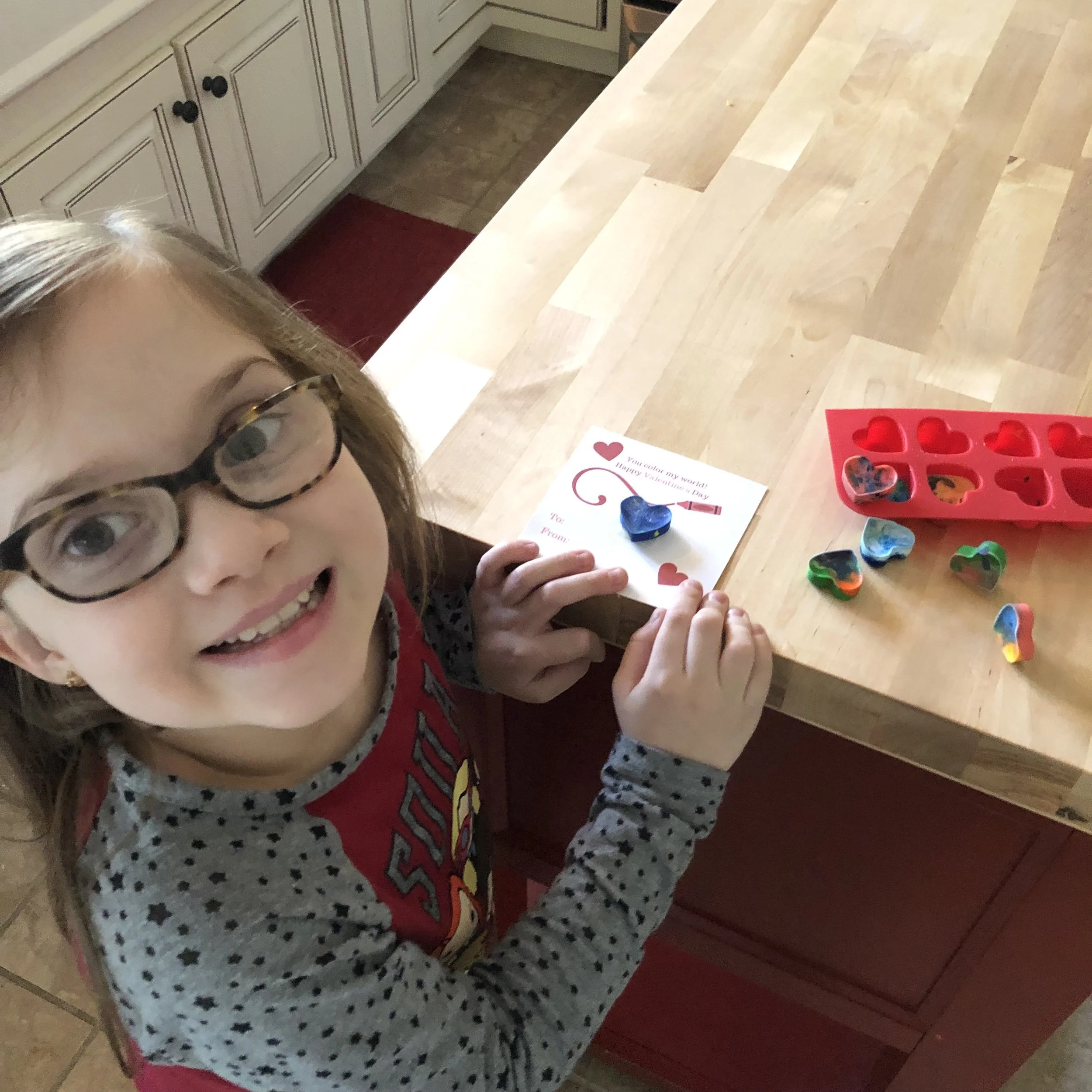
Valentine’s Day is sweet — but the classroom Valentine aisle? Not always.
If you have preschoolers or elementary school kids, you’ve likely seen the rows of pre-packaged cards filled with plastic trinkets, sugary candy, and disposable toys that barely last the week.
And listen — we’ve all grabbed them before. Life gets busy.
But if you’re looking for a non-candy Valentine idea that’s creative, affordable, reusable, and eco-friendly — this might be your new favorite tradition.
This is our all-time favorite DIY classroom Valentine: Recycled Crayon Valentines.
It’s simple. It’s sustainable. And kids love them.
Why Choose an Eco-Friendly Valentine?
Traditional store-bought Valentines often include:
• Plastic packaging
• Disposable toys
• Artificial dyes
• Excess sugar
• Items that go straight to the trash
If you’re trying to raise mindful kids or reduce waste in your home, Valentine’s Day is a great opportunity to model thoughtful choices.
An eco-friendly Valentine:
✔ Reduces plastic waste
✔ Reuses materials you already have
✔ Avoids unnecessary candy
✔ Teaches kids creativity and sustainability
And bonus — it’s usually more affordable.
DIY Recycled Crayon Valentine Craft
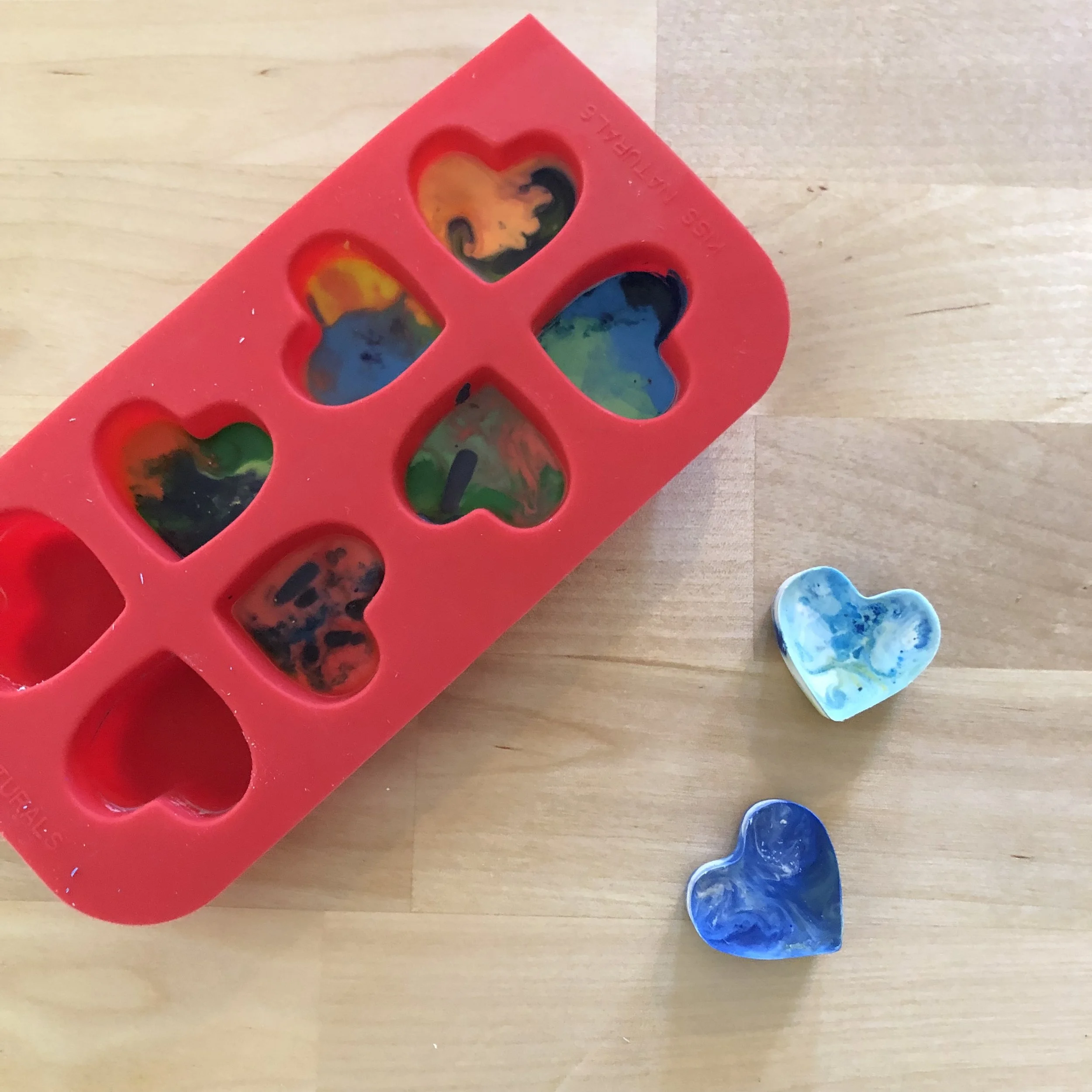
This project is easy enough for young kids to help with and makes adorable classroom handouts.
What You’ll Need:
• Broken or old crayons
• Silicone mold (muffin tin, heart mold, or ice cube tray)
• Baking sheet
• Oven
• Small paper bags or compostable wrapping
• Printable label (optional)
Step 1: Gather Those Broken Crayons
If you have kids, you likely have a bin somewhere filled with:
• Restaurant crayons
• Broken crayon halves
• Colors no one ever chooses
Instead of tossing them, peel off the paper wrappers and sort by color family if you’d like.
Mixing colors creates beautiful swirls when melted.
Step 2: Preheat the Oven
Preheat your oven to 175°F.
Place your silicone molds on a baking sheet before filling them — this makes transferring to the oven easier.
Step 3: Fill the Molds
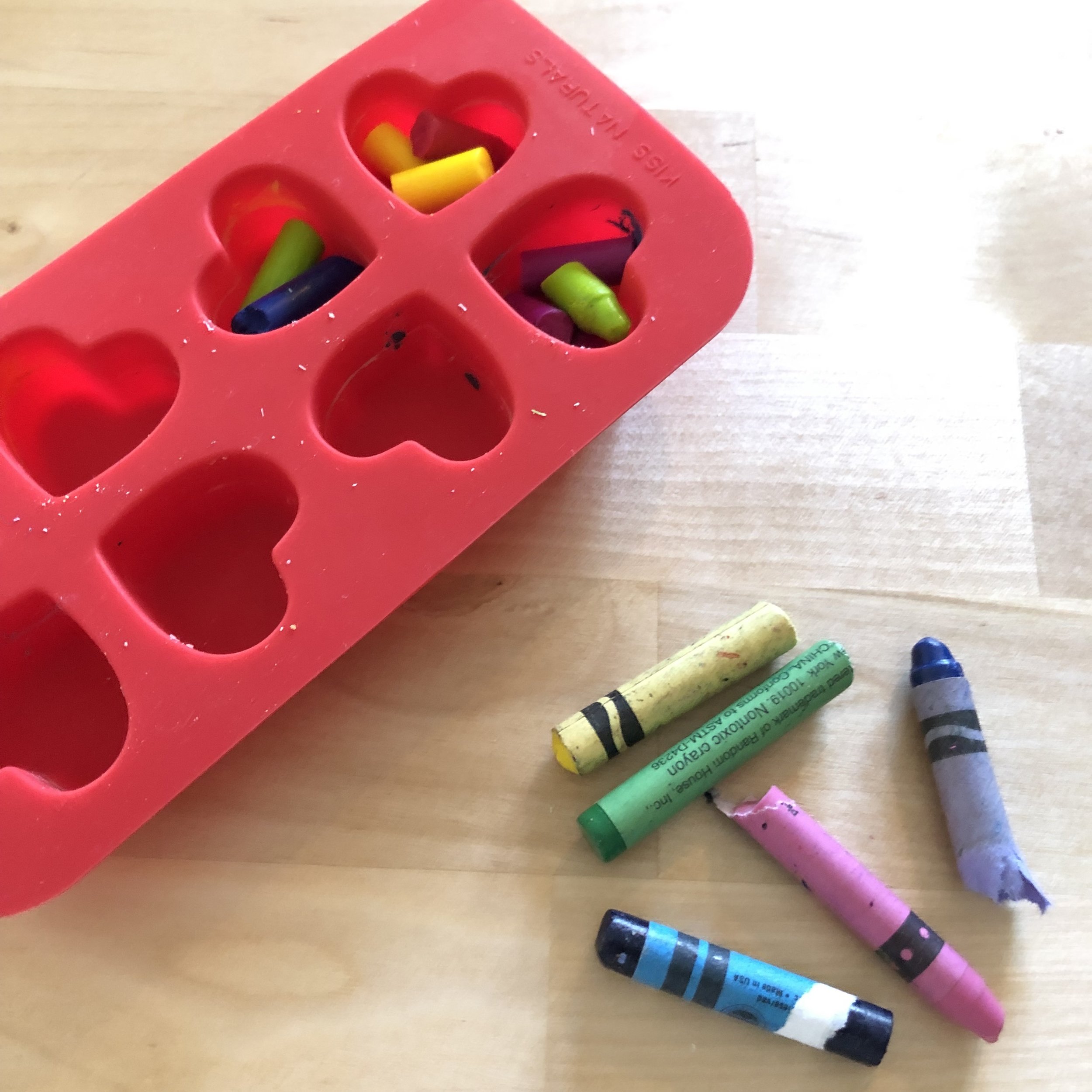
Break crayons into smaller pieces and fill each mold nearly to the top.
Have fun mixing colors — they’ll swirl together as they melt.
Step 4: Melt
Bake for 10–15 minutes, or until fully melted.
Remove carefully and let cool for about 30 minutes.
Once hardened, gently pop them out of the molds.
Repeat as needed until you have enough for the class.
Why Kids Love These
• They’re colorful
• They’re different
• They’re usable (not just candy)
• They feel special
And parents tend to appreciate fewer sugar overloads.
How to Package Your DIY Valentines
To keep things low-waste:
• Use small kraft paper bags
• Tie with cotton twine
• Or use our free template for the cutest labels you can print out.
Download Valentine Template Here.
Teaching Sustainability Through Small Traditions
At Kosmatology, we believe in small, intentional swaps that add up over time.
Just like choosing:
• Refillable hand soap
• Waterless lotion bars
• Fragrance-free skincare
• MADE SAFE® certified products
Choosing a reusable Valentine may seem small — but it models thoughtful living for your children.
If you’re working toward a lower-tox, eco-conscious home, you might also enjoy reading:
• Why Ingredient Safety Matters
• Non-Toxic Spring Cleaning
• The Truth About Fragrance in Skincare
Other Non-Candy Valentine Ideas for Kids
If recycled crayons aren’t your thing, try:
• Seed packets for planting
• Homemade playdough
• Mini coloring pages
• DIY bookmarks
• Stickers made from recycled paper
The goal isn’t perfection — it’s progress.
Frequently Asked Questions
-
A: Recycled crayons, seed packets, bookmarks, or handmade crafts are all great alternatives to candy-based Valentines.
-
A: Many include plastic packaging or disposable toys. Choosing reusable or recyclable options reduces waste.
-
A: Use a silicone heart mold and melt broken crayons at 175°F for 10–15 minutes.
-
A: Yes, but adults should handle the oven portion. Kids can sort colors and help package.
Final Thoughts
Valentine’s Day doesn’t have to mean plastic and sugar overload.
Sometimes the sweetest traditions are the simplest ones — and the ones that teach our kids to care for the world around them.
Cute Valentines.
Less waste.
More intention.
That’s a win.