
What ‘Fragrance’ Really Means in Skincare and Cleaning Products
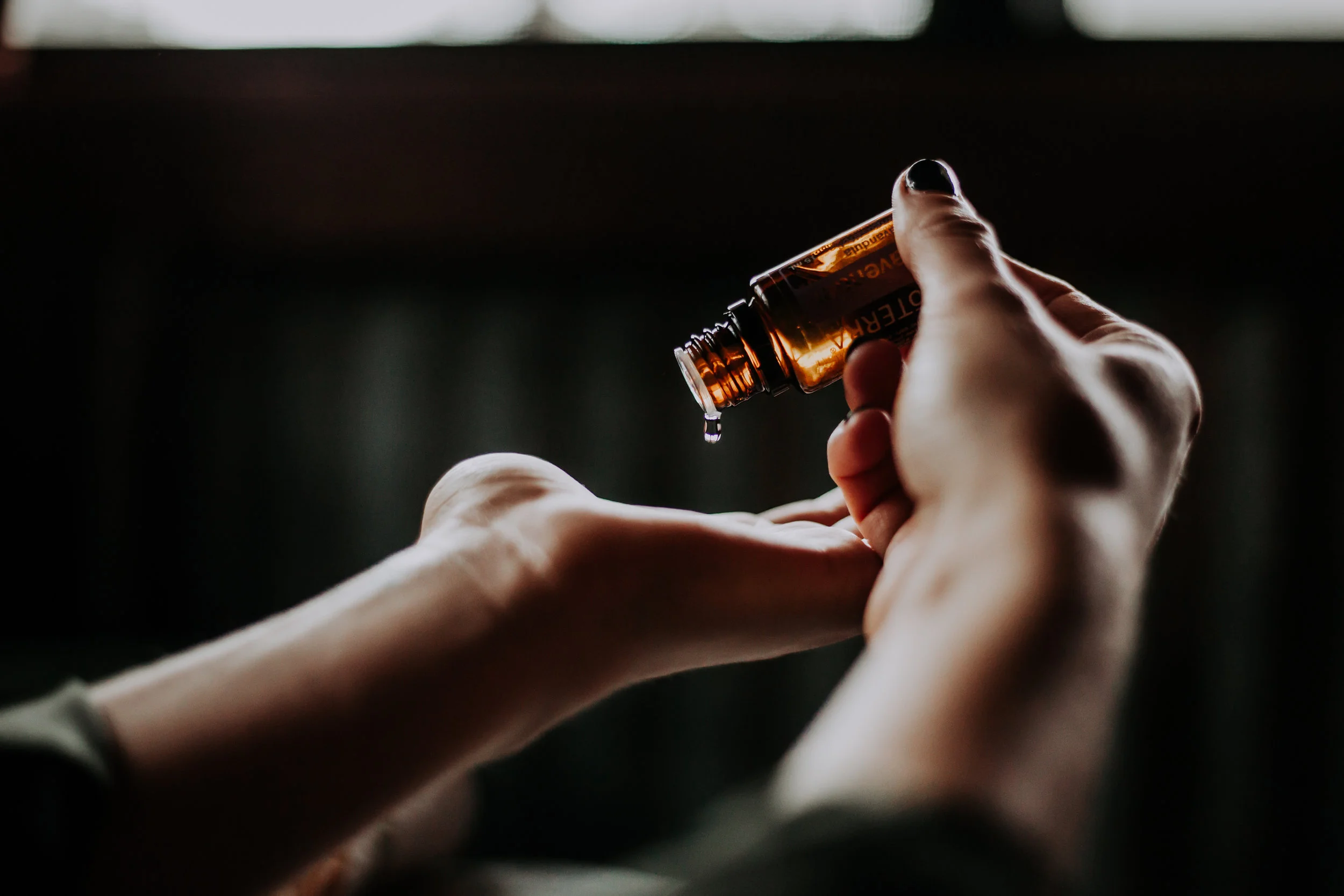
March 21 is Fragrance Day, and it’s a good reminder to talk about something many people don’t realize: not all fragrance is created equally. When you see the word “fragrance” on an ingredient label, it often refers to a blend of scent ingredients that companies are not required to fully disclose. That means consumers may not always know exactly what is being added to the products they use every day.
For people with sensitive skin, allergies, or fragrance sensitivities, this lack of transparency can make it harder to choose products that feel comfortable to use.
Why Fragrance Exposure Is Increasing
Today, fragrance is everywhere—not just in perfumes and colognes, but in:
Cleaning products
Candles
Laundry detergents
Trash bags
Air fresheners
Personal care products
Many people have experienced walking into a room where the scent of cleaning products or air fresheners is overwhelming. What we often associate with “clean” has shifted from the absence of odor to the presence of strong scents.
Because fragrance is so common, it can be difficult to limit exposure, especially in shared spaces like offices, schools, or public places.
Why Some People Choose Fragrance-Free Products
For some individuals, fragrance can be irritating to the skin or overwhelming to the senses. People with:
Sensitive skin
Allergies
Migraines
Asthma
Pregnancy-related scent sensitivity
often find that fragrance-free products are more comfortable to use.
If you’d like to learn more about why many people choose unscented products, you can read our article on why fragrance-free skincare matters.
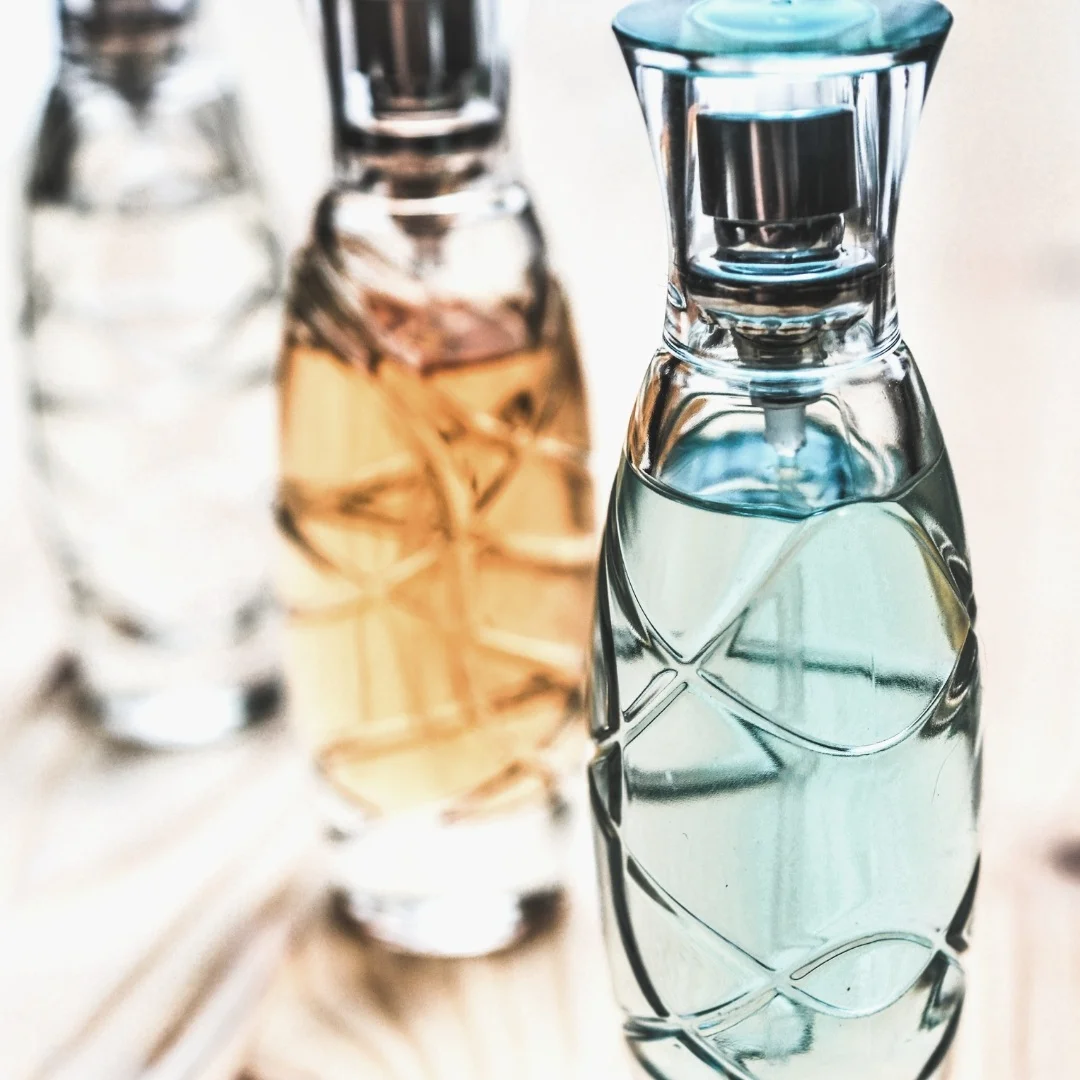
Why Some Scents Are Difficult to Create Naturally
At Kosmatology, we often receive requests for scents like blueberry, pumpkin, or vanilla cupcake. These sound wonderful—but nature doesn’t always cooperate.
Many fruits and foods that we associate with strong scents actually have very subtle aromas in their natural state. For example:
Blueberry seed oil has very little scent
Pumpkin doesn’t smell like pumpkin pie
Vanilla alone smells different than baked desserts
Creating those familiar “bakery” or candy-like scents usually requires synthetic fragrance blends, which is why many natural products smell lighter or more subtle.
Sometimes a scent works beautifully in a solid soap but doesn’t translate well into a liquid product. Formulation limitations are a real part of working with natural ingredients.
Essential Oils vs Synthetic Fragrance
Essential oils are derived from plants and tend to have more subtle, natural aromas. Synthetic fragrances, on the other hand, are designed to create stronger or more complex scents.
Neither category is automatically “good” or “bad,” but many people prefer products with fewer ingredients or those that use essential oils sparingly—or not at all.
If you’re concerned about ingredient choices in personal care products, you may find our guide to ingredients to avoid in skincare and body products helpful.

Reducing Fragrance Exposure in Daily Life
If you are trying to reduce fragrance exposure, small changes can make a difference:
Choose fragrance-free or lightly scented skincare
Use unscented laundry products
Avoid heavily scented air fresheners
Choose gentle body wash and moisturizers
Many people find that simplifying their routines not only reduces irritation but also makes their skin feel more comfortable overall.
For example, gentle cleansers and moisturizers designed for sensitive skin can help support the skin barrier without unnecessary additives.
Why We Choose Simpler Scents
At Kosmatology, our goal is to create products that smell like nature intended—subtle, clean, and gentle. That means we aren’t always able to recreate every scent request, especially those inspired by desserts or candy.
But it also means our products are formulated with simplicity and comfort in mind, especially for people who prefer fragrance-free or lightly scented options.
Final Thoughts
Fragrance is a part of everyday life, but it’s worth paying attention to how much exposure we have and how products affect our skin and comfort.
By reading ingredient labels, choosing products thoughtfully, and learning more about how fragrances are used, consumers can make informed choices that work best for their bodies and their homes.