
Foods High in Vitamin C: Natural Ways to Support Your Immune System
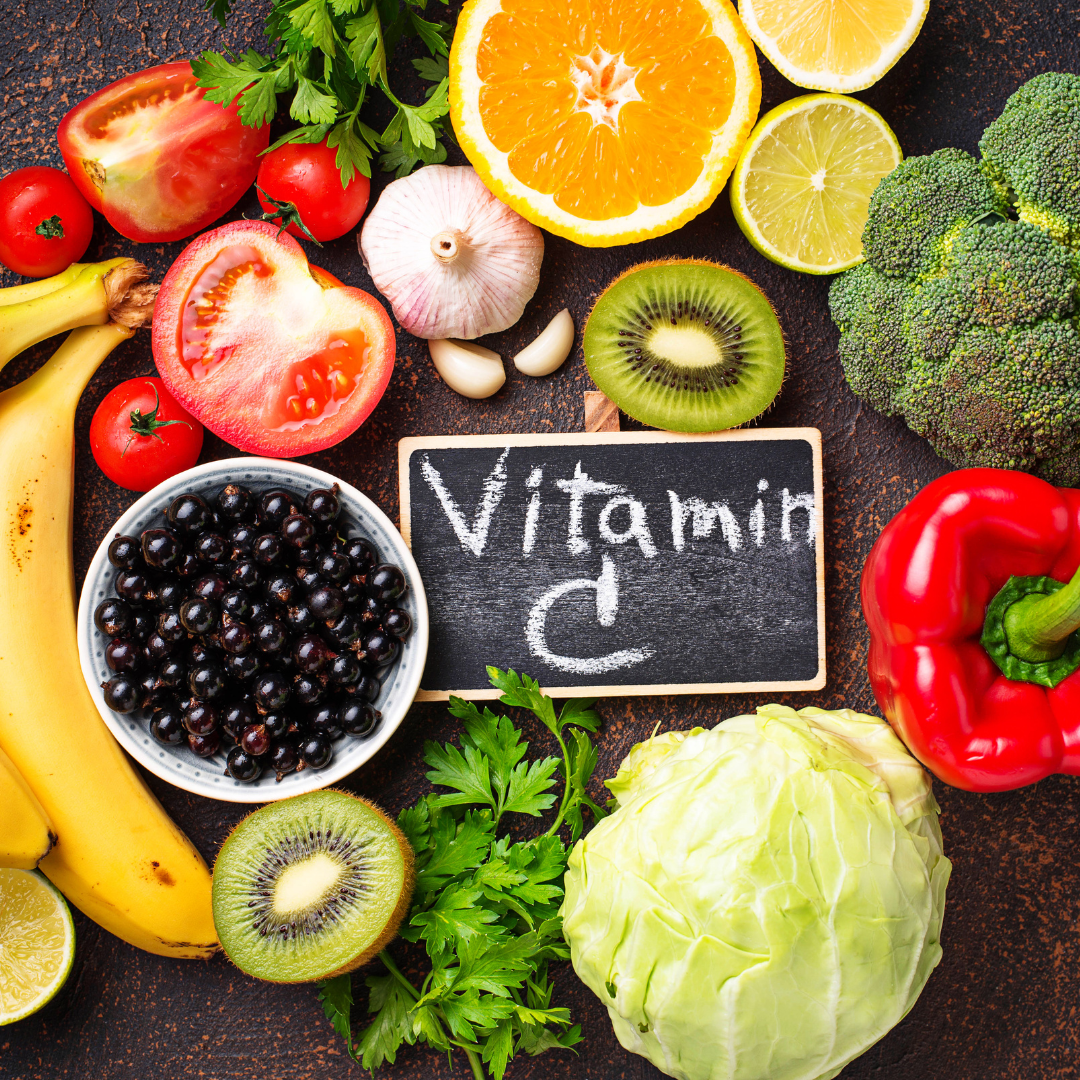
December is one of our favorite months here in New England. The weather turns crisp, the holidays are in full swing, and families gather to celebrate. Unfortunately, it’s also the time of year when colds and flu seem to circulate more often, and many people begin looking for ways to support their immune systems.
If your social media feed looks anything like ours, you’re probably seeing a steady stream of ads for vitamins and supplements promising to boost immunity. While supplements can be helpful in some cases, many people can meet their vitamin C needs through whole foods, which also provide fiber, antioxidants, and other nutrients that work together to support overall health.
One of my favorite habits started when my girls were toddlers. Every afternoon, when everyone was starting to feel hungry, we would put together a fresh fruit and vegetable plate. It became an easy, healthy snack that everyone enjoyed, and it’s still something we do today.
If you’re looking for natural sources of vitamin C, here are some of the best foods to include in your routine.
Why Vitamin C Is Important
Vitamin C plays several important roles in the body. It supports immune function, helps the body produce collagen, and acts as an antioxidant that helps manage oxidative stress.
Because vitamin C is water-soluble, the body does not store large amounts of it, which means regular intake through food is important.
Eating a variety of fruits and vegetables throughout the day is one of the simplest ways to ensure you’re getting enough.
Five Foods That Are Packed with Vitamin C
1. Bell Peppers
Bell peppers are one of the richest natural sources of vitamin C, and many people are surprised to learn that they often contain more vitamin C than citrus fruits.
The color of a bell pepper reflects how long it was allowed to ripen:
Green peppers are harvested earlier but still contain significant vitamin C
Yellow and orange peppers contain even more
Red bell peppers, which are fully ripened, provide some of the highest levels
One cup of chopped red bell pepper can provide well over the daily recommended intake of vitamin C.
Bell peppers are easy to incorporate into meals:
Add them to omelets
Toss them into salads
Slice them for snacks with hummus
Roast them for a simple side dish
Mixing different colors not only adds flavor but also provides a variety of nutrients.
2. Kiwi
Kiwi is another fruit that’s especially high in vitamin C. A single serving provides a significant portion of daily needs, along with fiber and other beneficial nutrients.
Kiwi is easy to enjoy:
Sliced into yogurt or oatmeal
Added to smoothies
Mixed into fruit salads
Its bright flavor also makes it a favorite with many kids.
3. Strawberries
Strawberries are a delicious and versatile source of vitamin C. One cup of sliced strawberries provides a substantial amount of this important nutrient.
Fresh strawberries are wonderful when in season, but frozen strawberries are also a great option. Choosing unsweetened frozen fruit makes it easy to add strawberries to smoothies, oatmeal, or yogurt year-round.
Strawberries also contain antioxidants that support overall skin and immune health.
4. Citrus Fruits
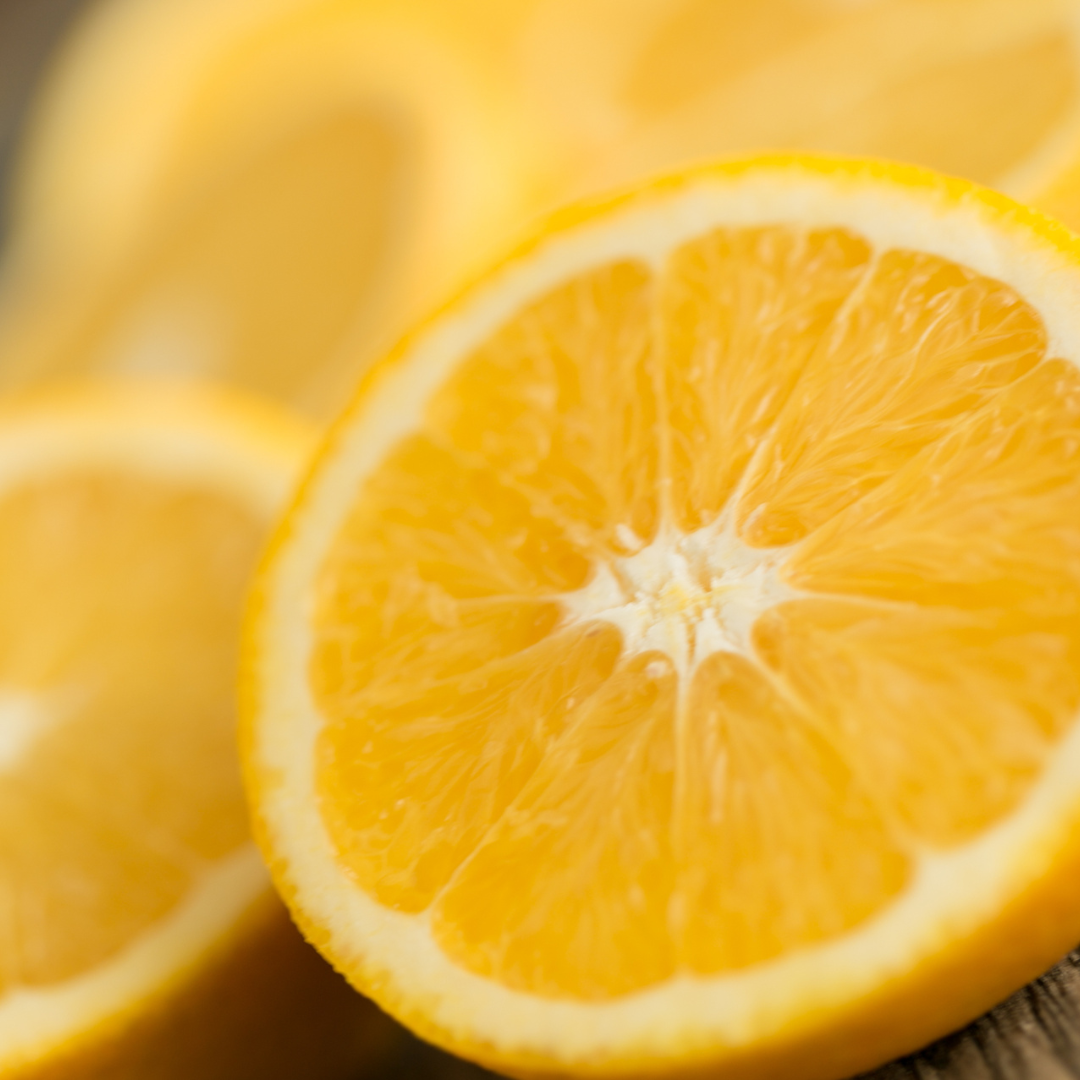
Citrus fruits are often the first foods people think of when it comes to vitamin C, and for good reason. Oranges, mandarins, and grapefruit are widely available and easy to include in daily meals.
Some simple ways to enjoy citrus:
Add an orange to a lunchbox
Enjoy grapefruit at breakfast
Slice citrus fruits for a refreshing dessert
A simple and delicious dessert idea is sliced oranges and grapefruit topped with yogurt and a sprinkle of granola.
5. Broccoli and Other Vegetables
Many vegetables are excellent sources of vitamin C, including broccoli, Brussels sprouts, and leafy greens. These vegetables also provide fiber and other nutrients that support overall health.
Lightly steaming vegetables helps preserve nutrients while improving texture and flavor.
Including vegetables at both lunch and dinner makes it easier to meet daily vitamin C needs naturally.
Whole Foods vs Supplements
While supplements can be useful in certain situations, whole foods provide a wide range of nutrients that work together in ways that isolated supplements cannot always replicate.
Whole fruits and vegetables also provide:
Fiber for digestion
Antioxidants
Phytochemicals that support overall health
For many people, focusing on a balanced diet rich in fruits and vegetables is a practical and effective way to support immune health.
If you’re interested in other natural ways to support your immune system, you may also enjoy our article on natural ways to support immune health during cold and flu season.
Simple Ways to Eat More Vitamin C
Increasing vitamin C intake doesn’t have to be complicated. Some easy ideas include:
Add fruit to breakfast
Keep cut vegetables ready for snacks
Include a salad or cooked vegetables with dinner
Add frozen fruit to smoothies
Small habits repeated daily can make a big difference over time.
Final Thoughts
Supporting your immune system doesn’t require complicated routines or expensive supplements. Often, the simplest approach—eating a variety of colorful fruits and vegetables—can provide the nutrients your body needs.
Fresh foods not only nourish the body but also make meals more enjoyable, especially when shared with family and friends.
What are your favorite vitamin C-rich foods? We’d love to hear your ideas—share them in the comments.
If you’re interested in other natural ways to support immune health, you may also enjoy our guide on natural ways to boost your immune system and our post on natural flu remedies and recovery tips.
(Link to both blogs)
Optional additional line:
We’ve also shared how to make elderberry syrup for immune support, a traditional seasonal remedy many families use.