
Best Body Wash for Eczema, Dermatitis, and Sensitive Skin: A Complete Guide

If you have eczema, dermatitis, or sensitive skin, choosing the right skincare products can make a significant difference in daily comfort. Many cleansers contain ingredients that can strip natural oils or irritate already sensitive skin, which is why many people search for the best body wash for eczema, dermatitis, sensitive or dry skin.
Many dermatologists recommend gentle cleansers designed for sensitive skin because harsh detergents and synthetic fragrance can weaken the skin barrier and worsen irritation. Understanding how cleansers affect the skin barrier and what ingredients to look for can help you make better choices and support healthier skin over time.
Understanding Eczema, Dermatitis, and Sensitive Skin
Eczema and dermatitis are terms used to describe inflammation of the skin. Symptoms may include:
Dryness
Redness
Itching
Irritation
Flaking
One common factor among these conditions is a weakened skin barrier. When the skin barrier is compromised, moisture escapes more easily and irritants can penetrate more readily. To learn more about your skin barrier and how to support it, check out our blog on skin barrier repair.
This makes gentle skincare especially important.
Why Some Body Washes Make Sensitive Skin Worse
Many conventional soaps and body washes are designed to remove oil and produce a rich lather. While this may feel clean, it can also remove the natural oils that help protect the skin.
Ingredients that may contribute to irritation include:
Harsh detergents
Alcohol-based ingredients
Strong preservatives
Synthetic fragrances
If you want to learn more about ingredients commonly avoided in sensitive-skin products, you can read our guide on ingredients to avoid in personal care products. You can also download our Skincare Ingredient Cheatsheet.
What to Look for in the Best Body Wash for Dermatitis or Eczema
When choosing a cleanser, look for products that:
Cleanse gently without stripping oils
Avoid synthetic fragrance
Use simple, recognizable ingredients
Leave skin feeling comfortable rather than tight
Plant-based oils and gentle cleansing agents are often preferred because they help support the skin barrier rather than disrupting it.
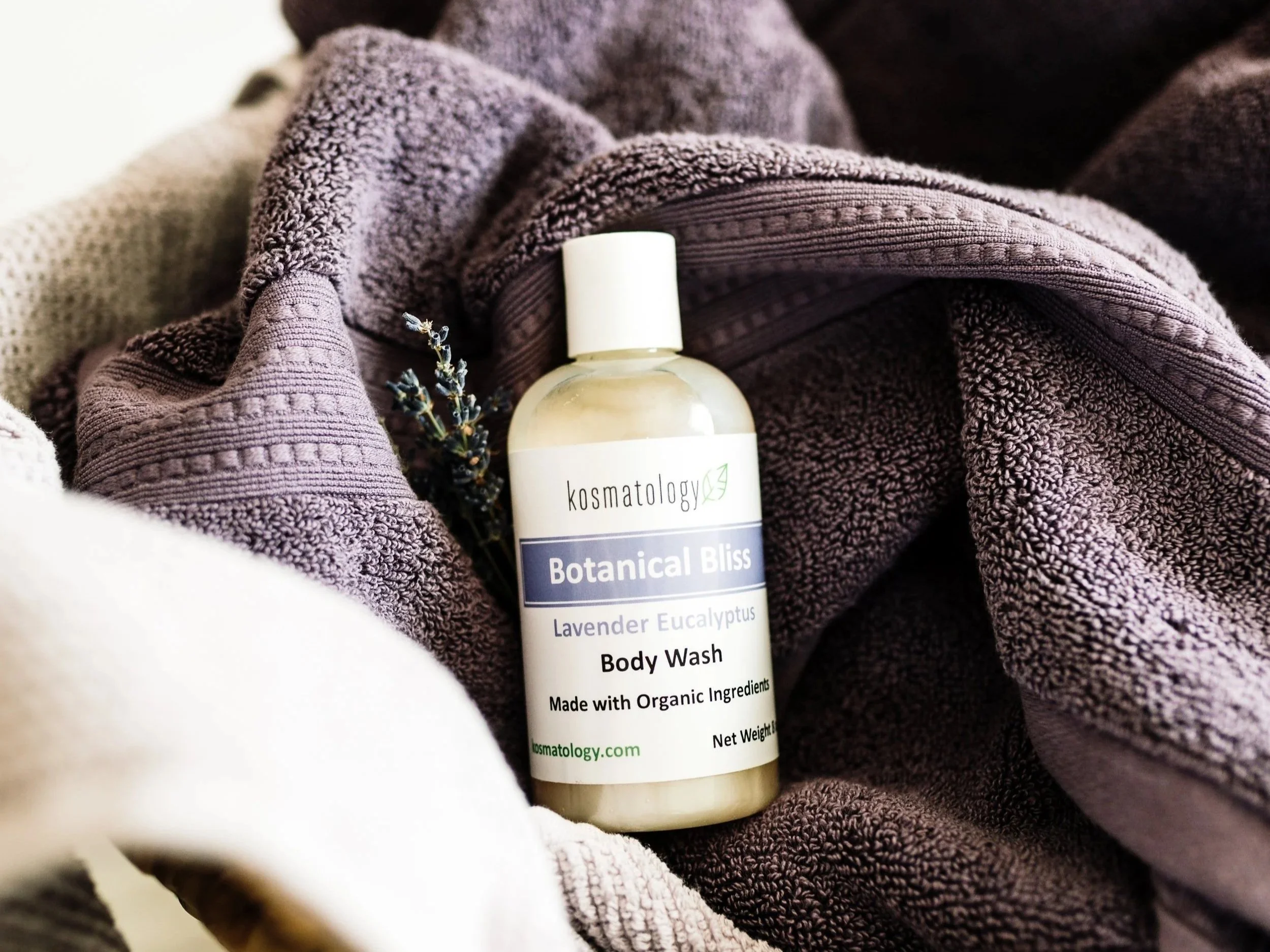
If you’re looking for a gentle, fragrance-free body wash, you can explore our body wash formulated for sensitive skin.
Why Moisturizing After Washing Matters
Cleansing is only part of caring for sensitive skin. Moisturizing immediately after bathing helps support the skin barrier and reduce dryness.
Solid moisturizers and rich emollients are often helpful because they create a protective layer that helps retain moisture.
You can learn more about lotion bars designed for dry and sensitive skin here.
Applying moisturizer while skin is still slightly damp helps improve hydration and comfort.
Daily Habits That Support Sensitive Skin
In addition to choosing gentle products, daily habits play an important role in skin comfort.
Use warm water instead of hot
Hot water can dry the skin more quickly.
Keep showers short
Long showers may strip natural oils.
Pat skin dry
Avoid rubbing with towels, which can irritate sensitive skin.
Moisturize right away
This helps lock in hydration.
These simple steps often make a noticeable difference over time.
Why Fragrance-Free Skincare Is Important
Fragrance is one of the most common causes of irritation in skincare products. Many people with eczema or sensitive skin specifically look for a fragrance-free body wash because fragrance can trigger redness, itching, or dryness.
Even essential oils can sometimes be too strong for very sensitive skin. Fragrance-free products are often recommended for people with eczema, dermatitis, or highly reactive skin because they reduce the likelihood of irritation.
Because fragrance is a common trigger for irritation, many dermatologists recommend fragrance-free products for sensitive skin. We discuss this in more detail in our post on why fragrance-free skincare matters.
Other Factors That Affect Skin Health
Skincare products are important, but lifestyle factors also influence skin comfort.
Helpful habits include:
Staying hydrated
Eating a balanced diet
Managing stress
Getting enough sleep
Using a humidifier in dry winter months
Stress can sometimes trigger eczema flare-ups because it affects the immune system and skin barrier. Our article on how stress impacts eczema and what you can do about it explains how stress may influence skin health.
Building a Gentle Skincare Routine for Sensitive Skin
A simple routine is often best:
Cleanse with a gentle body wash
Pat skin dry
Apply a moisturizer while skin is slightly damp
Avoid products with strong fragrances or unnecessary additives
Keeping skincare simple helps reduce the chance of irritation.
Body Wash for Dry Skin: What to Look For
Many people searching for the best body wash for eczema are also looking for a body wash for dry skin. Dry skin and eczema often overlap because both involve a weakened skin barrier and increased moisture loss.
When choosing a body wash for dry skin, look for formulas that:
cleanse gently without stripping natural oils
avoid synthetic fragrance and harsh detergents
support the skin barrier
leave skin feeling comfortable rather than tight
Gentle cleansers made with simple ingredients can help remove dirt and oil while maintaining the skin’s natural moisture balance.
How to Choose the Best Body Wash for Eczema and Sensitive Skin
Finding the best body wash for eczema, dermatitis, or sensitive skin doesn’t have to be complicated. The most important factors are gentle cleansing, simple ingredients, and consistent moisturizing.
Paying attention to ingredient labels, choosing fragrance-free products, and supporting your skin with daily habits can help improve comfort over time.
If symptoms are severe or persistent, it’s always best to consult a healthcare professional for guidance tailored to your needs.
Frequently Asked Questions About Body Wash for Eczema and Sensitive Skin
-
A: The best body wash for eczema cleanses gently without stripping the skin’s natural oils. Many dermatologists recommend fragrance-free cleansers with simple ingredient lists that support the skin barrier.
-
A: Both can work well depending on the ingredients. The most important factor is choosing a gentle cleanser that avoids harsh detergents, synthetic fragrance, and unnecessary irritants.
-
A: Tightness after washing may indicate that the cleanser is removing too many natural oils from the skin. Choosing a gentler body wash and moisturizing immediately after bathing can help support the skin barrier.
-
A: Yes. Fragrance is one of the most common triggers of skin irritation. Many dermatologists recommend fragrance-free skincare products for people with eczema or sensitive skin.
-
A: Daily bathing is generally fine if you use gentle cleansers and moisturize immediately afterward. Short, warm showers are usually better than long, hot showers.

About the Author
Janis Covey, PharmD
Compounding pharmacist and founder of Kosmatology, Janis formulates gentle skincare designed for sensitive skin and families. Her work focuses on ingredient transparency, skin barrier support, and simple routines that help skin stay comfortable and healthy. Learn more about her approach to skincare on the About Kosmatology page.
Related Reading
• Skin Barrier Repair: Why It Matters
• Why Fragrance-Free Skincare Matters
• The Complete Sensitive Skin Guide
• Understanding Dry Skin
• Ingredients to Avoid in Skincare
• How to Wash Your Face Properly