
How to Remove Dead Skin from Feet (And Prevent Cracked Heels)
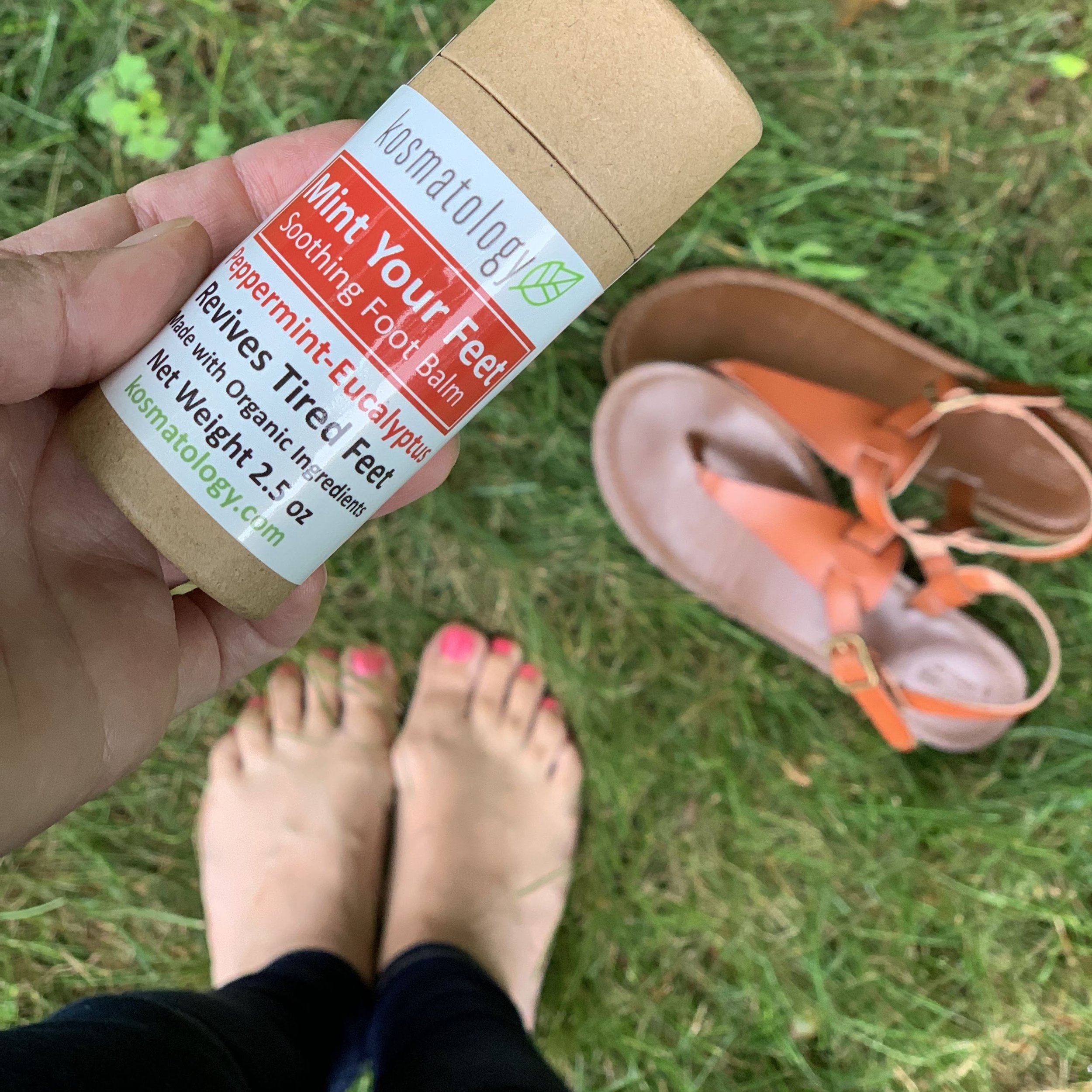
With sandal season approaching, many people start paying closer attention to their feet. Dry skin, rough patches, and dead skin buildup on the feet are very common—and they can make even the most comfortable pair of sandals feel less appealing.
The good news is that most cases of dry feet and dead skin buildup can be managed at home with a simple routine that focuses on softening, exfoliating, and moisturizing the skin.
Understanding what causes dry feet can help you prevent the problem before it starts.
What Causes Dry Skin and Dead Skin on Feet?
Everyone naturally sheds dead skin as part of the body’s normal renewal process. However, several internal and external factors can cause excess buildup on the feet.
Weather
Seasonal changes can affect the skin significantly. Cold weather and low humidity levels can dry out the skin on your feet, leading to roughness and flaking.
Calluses and Friction
Feet experience constant pressure and friction from walking, running, and wearing shoes. Over time, this pressure can cause calluses to form and dead skin to build up on the heels and soles.
Hot Showers
Bathing in very hot water can strip natural oils from the skin. When these protective oils are removed, skin can become dry, rough, and more prone to cracking.
Age and Hormonal Changes
As we age, the skin produces less natural oil and collagen. These changes can lead to increased dryness, including on the feet.
Skin Conditions
Certain skin conditions such as eczema or psoriasis can increase dryness and cause excessive dead skin buildup.
Diabetes
People with diabetes may experience changes in the skin on their feet due to nerve damage that affects oil and moisture regulation. This can lead to dryness, peeling, and cracking. If you have diabetes and experience foot issues, it is important to speak with a healthcare provider.
How to Remove Dead Skin from Feet
Removing dead skin from the feet usually involves three simple steps: softening the skin, gently exfoliating, and moisturizing.
Step 1 — Soak
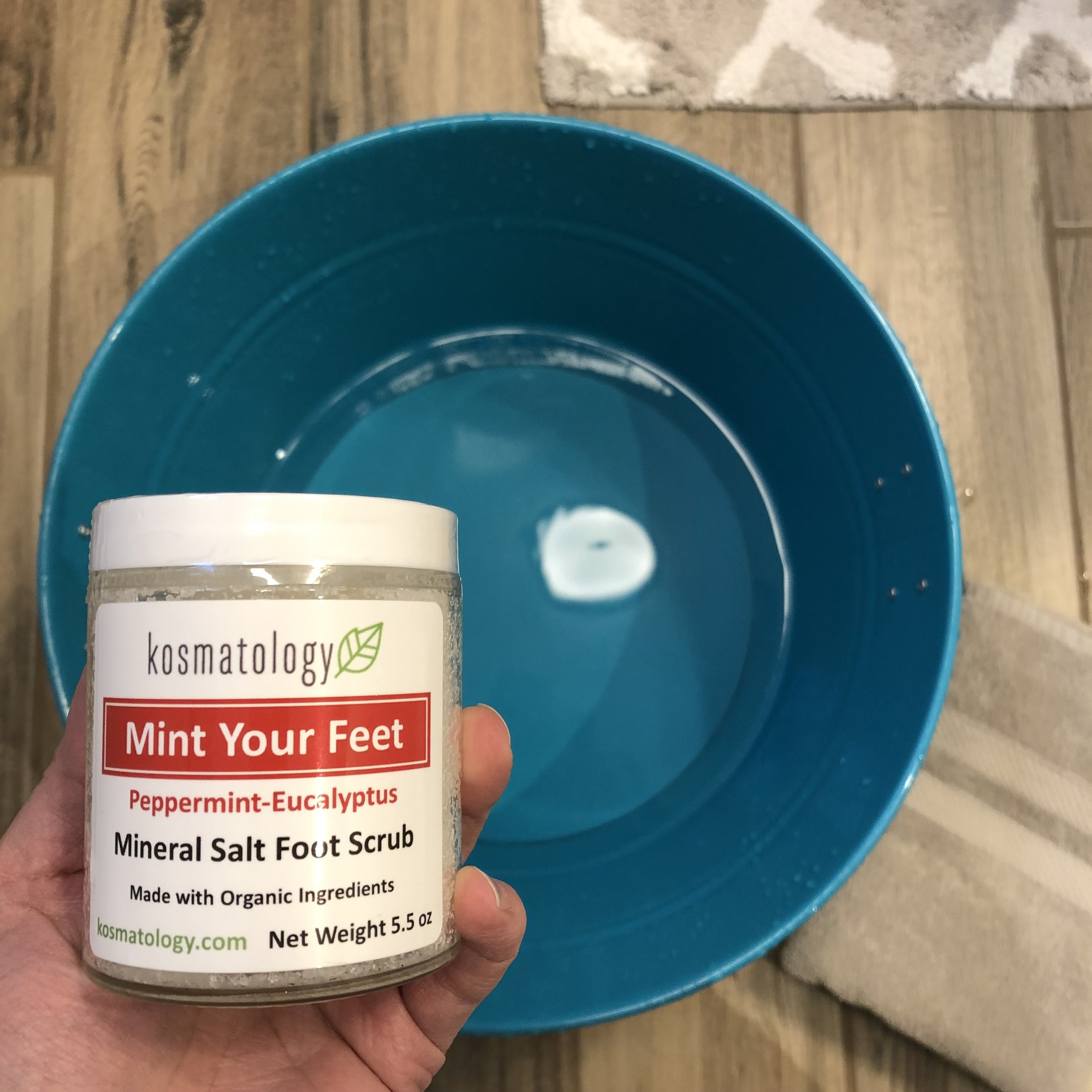
Start by soaking your feet in warm (not hot) water for about 10–20 minutes. A warm foot soak helps soften dry skin and prepare it for exfoliation.
Adding mineral salts to the soak can help relax tired feet while softening rough areas. Many people enjoy adding products like Mint Your Feet Mineral Salt Foot Scrub or Epsom salts to their soak for a soothing experience.
Step 2 — Exfoliate
After soaking, gently exfoliate the feet to remove dead skin buildup.
You can use:
• A pumice stone
• A foot file
• A loofah or exfoliating buffer
• A gentle salt scrub
Exfoliating helps remove the outer layer of dead skin cells and can improve the effectiveness of moisturizers applied afterward.
Be careful not to scrub too aggressively. The skin on the feet is naturally thicker, but excessive exfoliation can still cause irritation.
Step 3 — Moisturize
After exfoliating, applying a rich moisturizer helps restore hydration and protect the skin barrier.
Products containing nourishing plant oils and butters can help soften rough areas and improve skin comfort. Plant oils help support the skin barrier and reduce moisture loss. If you're curious how oils support skin hydration, learn more about why facial oils can help moisturize the skin. Applying a thicker moisturizer such as Mint Your Feet Foot Balm and covering your feet with socks overnight can help deeply hydrate dry skin.
Peppermint and eucalyptus oils also provide a refreshing sensation that many people find relaxing after a long day on their feet.
Supporting Healthy Skin on Your Feet
Consistency is key when it comes to foot care. Regular exfoliation combined with daily moisturizing can help keep feet soft and comfortable.
Other helpful habits include:
• Avoiding excessively hot showers
• Wearing well-fitting shoes that reduce friction
• Using gentle cleansers instead of harsh soaps
• Moisturizing feet regularly, especially before bed
If you have sensitive or reactive skin, avoid over-exfoliating and choose gentle skincare products designed to support the skin barrier. Our Complete Sensitive Skin Guide explains how to choose products that help protect sensitive skin and reduce irritation triggers. Many dermatologists also recommend fragrance-free products for sensitive skin because fragrance is a common cause of irritation. Learn more about why fragrance-free skincare can help reduce irritation.
When to See a Podiatrist
While most dry skin on the feet can be treated at home, persistent cracking, pain, or thick calluses may require medical attention.
If your heels continue to crack or you experience discomfort that does not improve with regular care, it may be helpful to consult a podiatrist for further guidance.
Related Reading
• Understanding Dry Skin: Causes and How to Restore Hydration
• The Complete Sensitive Skin Guide: How to Choose Gentle Skincare
• Why Unscented Skincare Matters More Than You Think
• Ingredients to Avoid in Skincare and Personal Care Products

About the Author
Janis Covey, PharmD
Compounding pharmacist and founder of Kosmatology, Janis formulates gentle skincare designed for sensitive skin and families. Her work focuses on ingredient transparency, skin barrier support, and simple routines that help skin stay comfortable and healthy. Learn more about her approach to skincare on the About Kosmatology page.
Frequently Asked Questions About Dry Feet
-
A: Dry skin on the feet can be caused by environmental factors such as cold weather, hot showers, friction from footwear, aging, or underlying skin conditions.
-
A: Soaking the feet in warm water, gently exfoliating with a scrub or pumice stone, and applying a rich moisturizer can help remove dead skin and improve skin softness.
-
A: Gentle exfoliation can help remove dead skin buildup so moisturizers can absorb more effectively. However, exfoliating too frequently or too aggressively may irritate sensitive skin.
-
A: Using a thick moisturizer or balm containing nourishing oils and butters can help soften rough skin and support the skin barrier.