
Why Winter Makes Sensitive Skin Worse

Winter can be especially challenging for sensitive skin. As temperatures drop and humidity levels fall, many people notice increased dryness, irritation, redness, and flare-ups that weren’t present during warmer months. If your skin feels tighter, more reactive, or harder to manage in winter, there’s a reason — and it has everything to do with your skin barrier.
Understanding why winter worsens sensitive skin can help you take the right steps to protect it and keep your skin comfortable all season long.
How Winter Weather Affects the Skin Barrier
Your skin barrier (the stratum corneum) is responsible for locking in moisture and protecting against environmental stressors. During winter, several factors work against it at once:
Cold Air & Low Humidity: Cold outdoor air holds less moisture, and indoor heating further reduces humidity. This combination pulls water from your skin, leading to dehydration and compromised barrier function.
Indoor Heating: Forced air heat and fireplaces dry the air inside your home, accelerating transepidermal water loss (TEWL). Even if your skin feels oily, it may actually be dehydrated underneath.
Wind Exposure: Cold wind strips away surface lipids that help keep the skin protected, leaving sensitive skin more prone to irritation and redness.
When the barrier is weakened, skin becomes more reactive — meaning products that once felt fine may suddenly sting or cause discomfort. To learn more about your skin barrier and how to repair it, check out our blog here.
Why Sensitive Skin Reacts More in Winter
Sensitive skin already has a lower tolerance to stress. In winter, a compromised barrier can lead to:
Increased dryness and flaking
Redness and inflammation
Itching or tightness
Stinging when applying skincare
More frequent eczema or dermatitis flare-ups
This is why winter skincare isn’t just about adding more moisture — it’s about supporting and protecting the barrier itself.
Common Winter Skincare Mistakes
Many well-meaning habits can actually worsen sensitive skin in cold weather:
Over-Cleansing: Cleansing too often or using harsh cleansers strips away natural oils that your skin desperately needs in winter.
Hot Showers: While comforting, hot water dissolves protective lipids in the skin, leading to increased dryness and irritation.
Layering Too Many Actives: Retinoids, exfoliating acids, and strong treatments can overwhelm already stressed skin during winter months.
How to Protect Sensitive Skin in Winter
Supporting your skin barrier is key to keeping sensitive skin calm and healthy.
✔️ Simplify Your Routine: Stick to gentle, fragrance-free products with minimal ingredients. Winter is not the time to experiment.
✔️ Cleanse Gently: Frequent washing can dry skin, which is why choosing a foaming hand soap for sensitive skin makes such a difference.
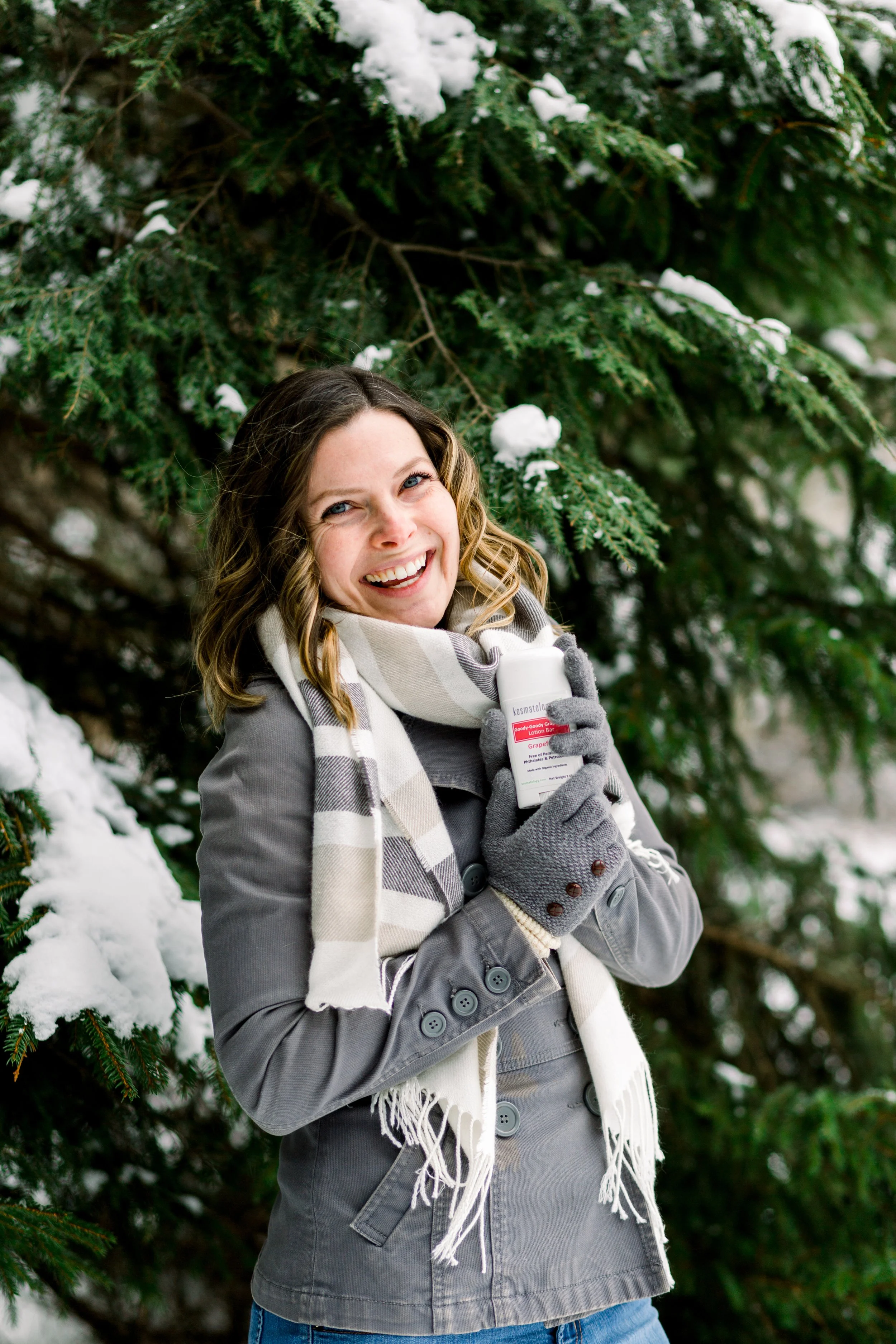
✔️ Lock in Moisture: Apply moisturizing products while skin is still slightly damp to help seal in hydration. Using a rich moisturizer such as a solid lotion bar for sensitive skin can help protect the skin barrier and reduce moisture loss during cold winter months. Also, our pocket size lotion bars are perfect to moisturize on the go.
✔️ Focus on Barrier Support: Look for products rich in nourishing oils and butters that reinforce the skin’s natural protective layer. A face moisturizer designed for sensitive skin can provide extra protection during cold, windy days.
✔️ Humidify Your Space: Adding a humidifier to your home can make a noticeable difference in skin comfort during winter.
When to Adjust Your Skincare for Winter
If you notice persistent irritation, dryness, or increased sensitivity as the seasons change, it’s a sign your skin needs more barrier support. Making small adjustments early can help prevent discomfort before it turns into a bigger issue.
Winter doesn’t have to mean struggling with sensitive skin. With the right approach, you can protect your skin barrier and keep your skin feeling calm, nourished, and resilient all season long.
Frequently Asked Questions About Sensitive Skin in Winter
-
A: Cold air, low humidity, and indoor heating can reduce moisture in the skin, weakening the skin barrier and making sensitive skin more prone to irritation and dryness.
-
A: Using gentle cleansers, moisturizing regularly, avoiding harsh ingredients, and protecting skin from cold wind can help support the skin barrier during colder months.
-
A: Yes. Hot showers and baths can strip natural oils from the skin, which can worsen dryness and irritation, especially in winter.
-
A: Many people with sensitive skin benefit from avoiding synthetic fragrance, harsh surfactants, and heavily scented products that can further irritate already dry skin.

About the Author
Janis Covey, PharmD
Compounding pharmacist and founder of Kosmatology, Janis formulates gentle skincare designed for sensitive skin and families. Her work focuses on ingredient transparency, skin barrier support, and simple routines that help skin stay comfortable and healthy. Learn more about her approach to skincare on the About Kosmatology page.
Related Reading
You may also enjoy:
• The Complete Sensitive Skin Guide: How to Choose Gentle Skincare
• Understanding Dry Skin: Causes and How to Restore Hydration
• Why Unscented Skincare Matters More Than You Think
• Ingredients to Avoid in Skincare and Personal Care Products