
How to Repair a Damaged Skin Barrier (Signs + Natural Repair Tips)

Your skin is your body’s largest organ, and its outermost layer, known as the skin barrier, plays a critical role in protecting you from the outside world. This protective layer, also called the stratum corneum, acts as your skin’s first line of defense against environmental pollutants, bacteria, irritants, and moisture loss.
When the skin barrier becomes weakened, moisture escapes more easily while irritants can penetrate the skin. This can lead to dryness, redness, irritation, and increased skin sensitivity. These symptoms are often some of the first signs that the skin barrier has become compromised.
Dryness is often one of the earliest signs of barrier damage. Our guide to Understanding Dry Skin explains the most common causes of dryness and how to support the skin barrier.
Supporting and repairing the skin barrier is one of the most important steps for maintaining healthy, balanced skin, especially for people with sensitive or eczema-prone skin. If your skin feels dry, irritated, or unusually sensitive, learning how to repair a damaged skin barrier can help restore comfort and balance.
What Is the Skin Barrier?
The skin barrier is made up of corneocytes (dead skin cells) that are held together by lipids, which include:
• ceramides
• cholesterol
• fatty acids
These lipids function like the “mortar” between bricks, creating a protective seal that prevents moisture from escaping while shielding the skin from irritants and allergens.
When the lipid layer becomes depleted, the barrier weakens and skin becomes more vulnerable to dryness, inflammation, and sensitivity.
If you’d like to learn more about how sensitive skin reacts to irritants, our Complete Sensitive Skin Guide explains how the skin barrier works and how to support it with gentle skincare.
How to Tell If Your Skin Barrier Is Damaged
Many people wonder how to tell if their skin barrier is damaged. If your skin feels tight, irritated, or suddenly sensitive to products, it may be a sign that your skin barrier is damaged. The following symptoms are some of the most common signs.
Common signs include:
Dryness and flaking
When the barrier cannot retain moisture, the skin becomes dry, rough, or flaky. Persistent dryness is often one of the earliest signs of barrier damage. Many people first notice a compromised skin barrier when their skin begins to feel unusually tight after washing.
Redness and irritation
A weakened barrier allows irritants to penetrate the skin more easily, causing inflammation and discomfort.
Breakouts or congestion
Skin barrier damage can disrupt the skin’s natural balance and sometimes lead to acne or blemishes.
Increased sensitivity
Products that were once well tolerated may suddenly cause burning, stinging, or irritation.
What Causes Skin Barrier Damage?
Several factors can weaken or damage the skin barrier over time, especially when the skin is exposed to harsh ingredients or environmental stress.
Harsh skincare products
Overusing strong exfoliants, acids, or harsh cleansers can strip the skin of natural oils that help maintain the barrier. Gentle cleansing techniques are important for maintaining the skin barrier. Our step-by-step guide on How to Wash Your Face Properly explains how to cleanse the skin without stripping natural oils.
Environmental exposure
Pollution, UV radiation, and extreme weather conditions can gradually weaken the skin’s protective layer.
Lifestyle factors
Lack of sleep, chronic stress, and poor diet can affect skin health and slow the skin’s natural repair process.
Overwashing
Frequent washing with hot water or harsh soaps can remove the natural lipids that protect the skin barrier. Our article on Why Does Hand Soap Dry Out Your Hands? explains how frequent washing with harsh cleansers can strip natural oils and weaken the skin barrier.
How to Repair and Strengthen the Skin Barrier
Repairing a damaged skin barrier often involves simplifying your skincare routine and focusing on gentle, nourishing products.
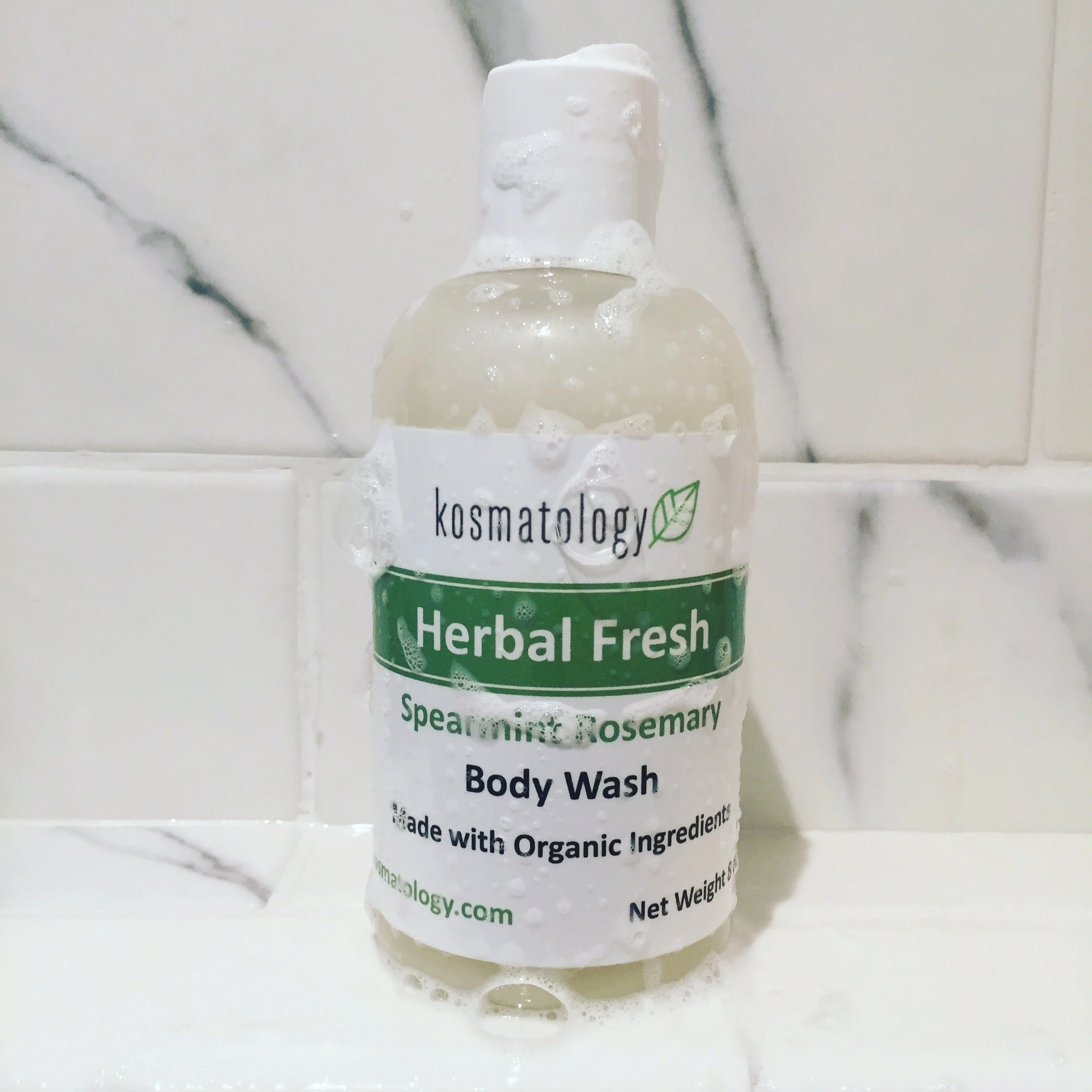
Use gentle cleansers
Choose mild cleansers that clean the skin without stripping natural oils. Sulfate-free and pH-balanced cleansers help maintain the skin’s protective layer.
Our Kosmatology Body Wash is designed to cleanse gently while helping support the skin barrier.
Using gentle hand soap is also important, especially if you wash your hands frequently.
Moisturize Consistently to Repair the Skin Barrier
Moisturizers help replenish lipids and reduce moisture loss from the skin. Ingredients rich in fatty acids and plant oils help restore the skin barrier and prevent water from evaporating from the skin.
Many people repairing a damaged skin barrier find that richer moisturizers help seal hydration into the skin and support recovery.
Kosmatology Lotion Bars are made with nourishing plant oils and butters that help support the skin barrier while locking in moisture.
Applying moisturizer immediately after bathing, while skin is still slightly damp, helps seal hydration into the skin and can help reduce dryness and irritation associated with a damaged skin barrier.
Avoid over-exfoliation
Exfoliation can be beneficial, but excessive use of physical scrubs or chemical exfoliants can weaken the barrier.
Give your skin time to recover between treatments and focus on gentle exfoliation methods.
Protect skin from sun exposure
UV radiation can damage the skin barrier and accelerate skin aging. Wearing a broad-spectrum sunscreen daily helps protect the skin’s protective layer.
Support skin health from within
Drinking enough water and maintaining a balanced diet rich in antioxidants and healthy fats can help support overall skin health.
Avoid common irritants
Products containing alcohol, synthetic fragrance, and harsh preservatives can aggravate a damaged skin barrier.
Many dermatologists recommend fragrance-free skincare for sensitive or reactive skin.
You can learn more in our article Why Fragrance-Free Skincare Matters.
Why Skin Barrier Health Is So Important
A healthy skin barrier helps the skin stay hydrated, resilient, and less reactive to environmental stressors.
When the barrier is strong, the skin is better able to:
• retain moisture
• defend against irritants
• maintain balanced, healthy skin
Supporting the skin barrier through gentle cleansing, consistent moisturizing, and avoiding harsh ingredients can make a significant difference in overall skin comfort and appearance.
How Long Does It Take to Repair the Skin Barrier?
The time it takes to repair a damaged skin barrier varies depending on the severity of the damage and the consistency of your skincare routine. With gentle cleansing, consistent moisturizing, and avoiding harsh irritants, many people begin to notice improvement in their skin within a few weeks, although full recovery may take longer for severely compromised skin.
Supporting the skin barrier with simple, nourishing skincare products and minimizing exposure to irritants can help the skin gradually restore its natural balance and resilience.
Frequently Asked Questions About Skin Barrier Repair
-
A: Common signs include dryness, redness, irritation, flaking, and increased sensitivity to skincare products.
-
A: With gentle skincare and consistent moisturizing, many people notice improvement within a few weeks.
-
A: Yes. When the skin barrier is damaged, it can disrupt the skin’s natural balance, leading to increased oil production, irritation, and inflammation. This combination can contribute to breakouts or make existing acne worse.
A weakened skin barrier can also make the skin more reactive to skincare products, which may further aggravate blemishes. Supporting the skin barrier with gentle cleansing and consistent moisturizing can help improve overall skin balance.
Many people find that simplifying their routine and avoiding harsh ingredients helps reduce both irritation and breakouts over time.
-
A: A damaged skin barrier often feels tight, dry, or irritated. Some people experience burning, redness, flaking, or increased sensitivity to products that previously caused no reaction.
-
A: Yes. The skin barrier is capable of repairing itself, but the process takes time and consistent care. Simplifying your skincare routine, avoiding harsh ingredients, and using gentle moisturizers can help support the skin’s natural repair process.
Many people begin to notice improvement within a few weeks once irritants are removed and the skin is supported with barrier-friendly skincare.
-
A: Ingredients rich in fatty acids, plant oils, ceramides, and vitamin E help support and replenish the skin barrier.
-
A: Yes. Excessive exfoliation can remove protective lipids and weaken the skin’s natural defense system.
-
A: Temporarily simplifying your skincare routine and focusing on hydration and gentle cleansing can help the skin recover.

About the Author
Janis Covey, PharmD
Compounding pharmacist and founder of Kosmatology, Janis formulates gentle skincare designed for sensitive skin and families. Her work focuses on ingredient transparency, skin barrier support, and simple routines that help skin stay comfortable and healthy. Learn more about her approach to skincare on the About Kosmatology page.
Related Reading
• The Complete Sensitive Skin Guide: How to Choose Gentle Skincare
• Understanding Dry Skin: Causes and Treatments
• Why Fragrance-Free Skincare Matters for Sensitive Skin
• How Stress Impacts Eczema and What You Can Do About It
• Why Lotion Bars Are the Best Moisturizer for Kids