

Essential oils are widely used for relaxation, skincare, and creating a calming environment at home. But during pregnancy, many people become more cautious about the ingredients they're exposed to, especially in products applied directly to their skin.
Are essential oils safe during pregnancy?
The answer isn't a simple yes or no. Essential oils are highly concentrated plant extracts, and their safety depends on the specific oil, how it's used, the amount of exposure, and individual health considerations.
As a Doctor of Pharmacy, compounding pharmacist, and skincare formulator, I believe understanding the ingredients in your products is especially important during pregnancy. While certain essential oils have been studied for uses such as relaxation and nausea, research on the pregnancy safety of many oils remains limited.
Here's what you should know before incorporating essential oils into your pregnancy skincare or self-care routine.
Natural Doesn't Always Mean Safe
One of the biggest misconceptions about essential oils is that because they come from plants, they're automatically safe.
Essential oils contain concentrated chemical compounds that can have biological effects. Some may cause skin irritation or allergic reactions, while others contain substances that can be harmful with certain types or amounts of exposure.
Pregnancy can also bring changes in skin sensitivity, making products that were previously well tolerated more irritating.
This doesn't mean every essential oil is dangerous during pregnancy. It means that natural ingredients deserve the same careful consideration as other active ingredients.
If you're experiencing increased skin sensitivity, our Complete Sensitive Skin Guide explains how to choose gentle products that support the skin barrier.
Choosing High-Quality Essential Oils
Quality matters when selecting essential oils, whether you're pregnant or not. Essential oils vary in their composition, purity, and sourcing. Some products may contain added fragrance ingredients, impurities, or other substances that aren't clearly disclosed.
When evaluating essential oils, look for companies that:
Provide independent purity testing
Identify the botanical name of the plant
Share sourcing and manufacturing information
Clearly disclose added ingredients
Follow appropriate quality-control practices
You may also see essential oils advertised as therapeutic grade. However, this isn't a standardized or independently regulated quality designation.
Even a pure, high-quality essential oil isn't necessarily safe during pregnancy. The specific oil and how it's used are just as important as its quality.
Safety Guidelines for Essential Oils During Pregnancy
If you're considering using essential oils while pregnant, these precautions can help reduce potential risks.
1. Be Especially Cautious During the First Trimester
The first trimester is an important period of fetal development. Because safety information for many essential oils is limited, it's reasonable to avoid unnecessary exposure to concentrated essential oils, particularly during early pregnancy.
Discuss any planned therapeutic use with your obstetrician or another qualified healthcare professional.
2. Never Apply Undiluted Essential Oils to Your Skin
Essential oils are highly concentrated and can cause irritation, sensitization, or allergic reactions when applied directly to the skin.
When topical use is considered appropriate, essential oils should be diluted in a carrier oil, such as:
Jojoba oil
Olive oil
Safflower oil
Sweet almond oil, if you don't have an almond allergy
The appropriate dilution depends on the specific essential oil and its intended use. Dilution reduces the risk of irritation but doesn't guarantee pregnancy safety.
3. Patch Test New Skincare Products
Pregnancy can change how your skin responds to ingredients. Before using a new skincare product, test a small amount on an unaffected area of skin and watch for irritation. Remember that a patch test can help identify some skin reactions, but it cannot determine whether an essential oil is safe for pregnancy.
4. Avoid Ingesting Essential Oils
Essential oils should not be swallowed during pregnancy unless specifically prescribed and supervised by a qualified healthcare professional. Some essential oils contain compounds that can be toxic when ingested, even in relatively small amounts. Essential oils used in aromatherapy or skincare should never be assumed safe to consume.
5. Use Aromatherapy Conservatively
If your healthcare provider considers a particular essential oil appropriate, occasional aromatherapy may be preferable to prolonged or concentrated exposure.
Avoid continuous diffusion in poorly ventilated spaces, and discontinue use if an aroma causes nausea, headaches, dizziness, or respiratory irritation.
6. Talk With Your Healthcare Provider
Every pregnancy is different. Your healthcare provider can help you evaluate the specific essential oil, its concentration, how you plan to use it, and any individual risk factors. This is especially important if you have a high-risk pregnancy, asthma, allergies, or other medical conditions.
Which Essential Oils May Be Used During Pregnancy?
Certain essential oils have been studied or traditionally used during pregnancy, particularly for relaxation and nausea.
However, being commonly used doesn't mean an essential oil has been proven safe for every pregnant person.
Lavender for Relaxation
Lavender is commonly used in aromatherapy for its calming scent. Some small studies have explored lavender aromatherapy for relaxation, anxiety, and sleep during pregnancy. However, these studies don't establish the safety of every lavender product, concentration, or method of use.
Ginger for Nausea
Ginger has been studied extensively for pregnancy-related nausea when used in certain oral preparations, but those findings shouldn't be applied directly to concentrated ginger essential oil. Some people find ginger's aroma comforting, although evidence for ginger essential oil aromatherapy is more limited.
Citrus Oils for a Refreshing Aroma
Sweet orange and lemon essential oils are often used in aromatherapy for their fresh, uplifting scents. Research on their safety during pregnancy remains limited, so they shouldn't automatically be considered safe. Some citrus essential oils can also increase sensitivity to sunlight when applied to the skin, depending on their composition.
The takeaway: Lavender, ginger, and citrus oils may be familiar aromatherapy ingredients, but it's important to evaluate each oil individually and consult your healthcare provider before use.
Which Essential Oils Should Be Avoided During Pregnancy?
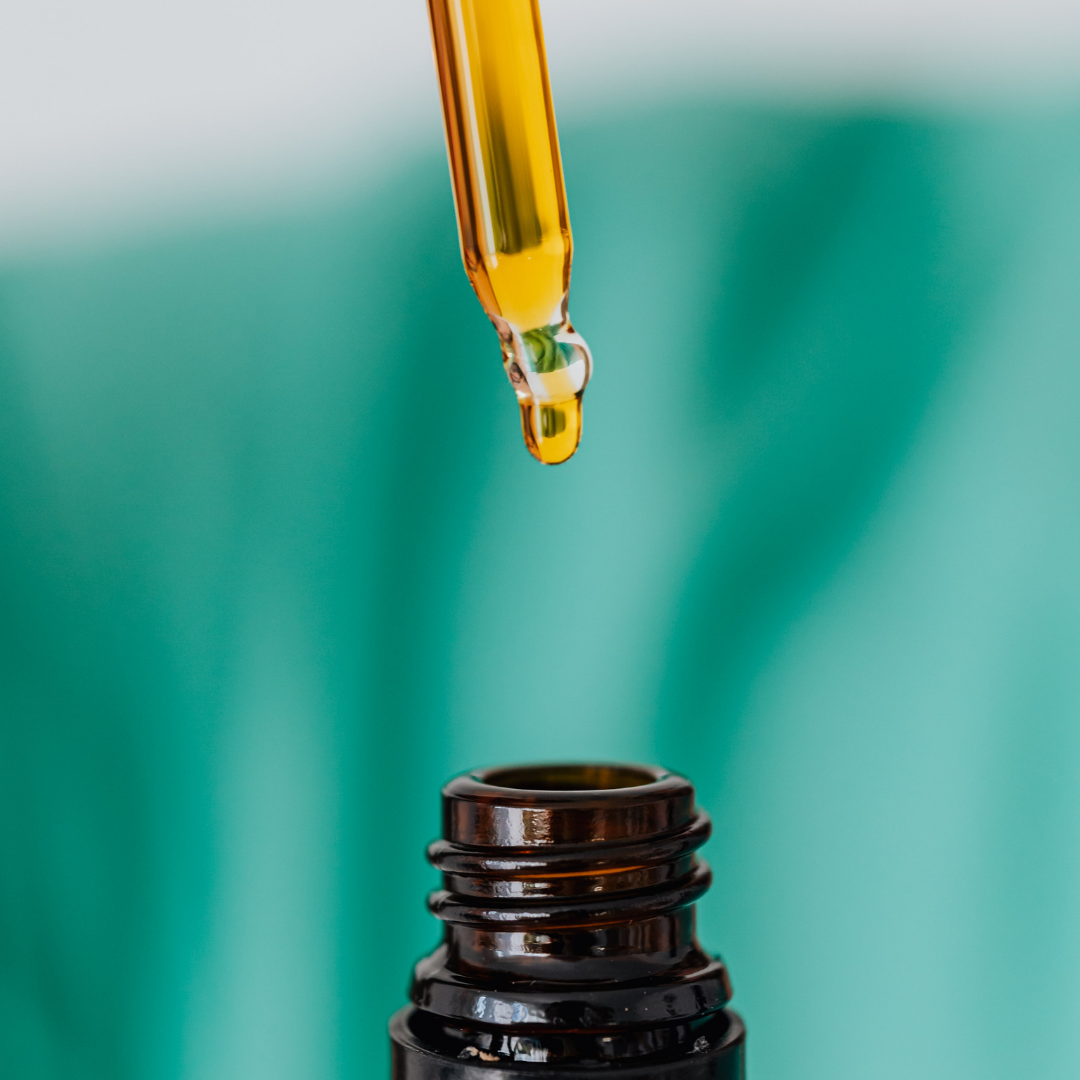
Some essential oils deserve particular caution because they contain potentially toxic compounds or have a history of harmful effects with certain exposures.
Pennyroyal essential oil is one important example. It contains pulegone, a compound associated with serious liver toxicity, and should be avoided during pregnancy.
Other oils that warrant particular caution include:
Mugwort
Tansy
Wormwood
Thuja
Sage
Hyssop
Wintergreen
Camphor
The concerns vary depending on the oil and may involve toxic constituents, limited safety data, or risks associated with concentrated exposure.
Other commonly discussed oils, such as rosemary, peppermint, thyme, basil, and clary sage, also have limited pregnancy-specific safety information. Their risks shouldn't automatically be considered equivalent to those of pennyroyal.
It's also important to distinguish between using an herb in normal food amounts and applying or ingesting its concentrated essential oil. They aren't the same type of exposure.
Rather than relying on a universal list of safe and unsafe oils, the safest approach is to evaluate the specific oil, concentration, and method of use with your healthcare provider.
Pregnancy and Sensitive Skin
Pregnancy can bring changes in skin texture, oil production, pigmentation, and sensitivity. Some people experience increased dryness or irritation, while others develop sensitivities to products they've used for years. When skin becomes dry or irritated, supporting the skin barrier is especially important. The skin barrier helps reduce moisture loss and protect against environmental irritants. Gentle cleansing and regular moisturizing can help maintain skin comfort throughout pregnancy.
Our articles on Skin Barrier Repair and Understanding Dry Skin explain how the skin barrier works and why moisturizing matters.
For people who prefer to avoid essential oils, our Free & Clear Lotion Bar is an unscented, waterless moisturizer formulated without essential oils or synthetic fragrances. Its nourishing plant-based oils and butters help soften dry skin and reduce moisture loss.
A Simple Skincare Routine During Pregnancy
You don't need an elaborate skincare routine to care for your skin during pregnancy. In fact, keeping things simple can make it easier to identify ingredients that cause irritation.
Here are a few habits I recommend:
Cleanse gently. Choose a mild cleanser that removes dirt and impurities without leaving your skin feeling tight or dry.
Choose fragrance-free products when needed. If your skin is sensitive to fragrances or essential oils, unscented products can help minimize potential irritants.
Moisturize regularly. Apply moisturizer after bathing, while skin is still slightly damp, to help reduce moisture loss.
Protect your skin from the sun. Daily broad-spectrum SPF 30 or higher sunscreen helps protect against UV damage and may be particularly helpful for pregnancy-related pigmentation changes.
Review active skincare ingredients. Certain ingredients, including topical retinoids, should be avoided during pregnancy. Check with your healthcare provider if you're unsure whether a product is appropriate.
Our Free & Clear Body Wash is another option for those looking for a gentle cleanser without essential oils or added fragrance.
You can also read Why Fragrance-Free Skincare Matters to learn why unscented formulations may be helpful for sensitive skin.
Final Thoughts
Essential oils can be appealing additions to skincare and self-care routines, but pregnancy is a time to be especially mindful of concentrated botanical ingredients. Not all essential oils carry the same risks, and research on the pregnancy safety of many oils remains limited. Choosing quality ingredients, avoiding ingestion, using appropriate dilution, and consulting your healthcare provider are important precautions. As a pharmacist and skincare formulator, my advice is to keep your skincare routine simple, choose products thoughtfully, and focus on maintaining a healthy skin barrier. Sometimes, the best approach is also the simplest.
Frequently Asked Questions About Essential Oils During Pregnancy
-
Some essential oils have been studied for limited uses during pregnancy, but there isn't enough evidence to consider all essential oils safe. Safety depends on the oil, concentration, method of use, and individual circumstances. Consult your healthcare provider before using them.
-
Pennyroyal essential oil should be avoided because of its known toxicity. Other oils, including mugwort, tansy, wormwood, and thuja, also warrant particular caution. Many additional oils lack sufficient pregnancy safety data, so it's important to discuss specific products with your healthcare provider.
-
Undiluted essential oils should not be applied directly to the skin because they can cause irritation or allergic reactions. Dilution reduces some topical risks, but it doesn't establish that an essential oil is safe during pregnancy.
-
Some forms of aromatherapy have been studied during pregnancy, but evidence is limited and safety varies by oil and exposure. If your healthcare provider approves a particular oil, use it conservatively in a well-ventilated area and discontinue use if you experience discomfort.
-
Fragrance-free skincare can be a helpful option, especially if pregnancy has made your skin more sensitive or reactive. Products without added fragrances or essential oils may reduce exposure to potential skin irritants, although fragrance-free doesn't automatically mean a product is suitable for every person.
-
The amount of essential oil in a finished skincare product may be much lower than in the concentrated oil itself. However, safety depends on the specific ingredients, concentrations, and how the product is used. If you're unsure about a product, ask your healthcare provider to review its ingredient list.