
Confessions of a Green Swap Convert: Easy Non-Toxic & Low-Waste Home Swaps
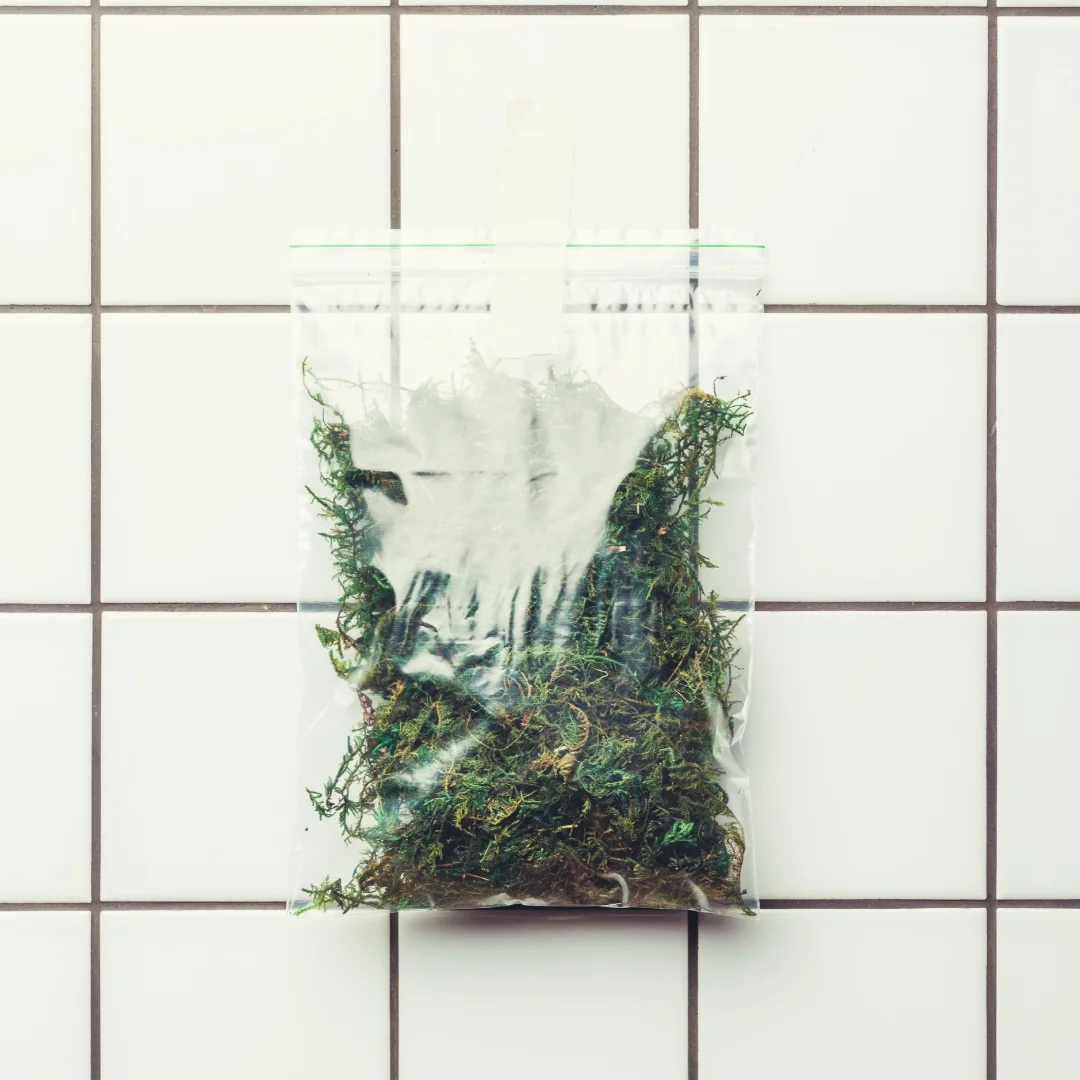
If I’m being honest… I used to be a devoted zip-top plastic bag person.
I washed them.
I reused them.
I told myself I was doing enough.
But every time I saw those reusable sandwich bags pop up on Instagram, I knew that little voice in my head was right.
It was time to make the swap.
If you’ve ever felt overwhelmed trying to live more sustainably, you’re not alone. Switching lifelong habits isn’t easy. But small, intentional green swaps around your home can significantly reduce plastic waste, lower toxin exposure, and create a healthier environment for your family.
Here are some of the easiest non-toxic, eco-friendly swaps you can start making today.
Why Green Swaps Matter
Plastic isn’t just an environmental issue — it’s also a health issue.
Many plastic products can contain:
• Phthalates
• BPA
• VOCs
• Endocrine disruptors
We’ve all heard about avoiding microwaving plastic containers or switching to BPA-free bottles. But sustainable living isn’t about perfection — it’s about progress.
Let’s start small.
1. Switch to Reusable Food Storage (Glass Over Plastic)
If you’re still using plastic food containers, this is one of the biggest upgrades you can make.
Why switch?
• Glass doesn’t leach chemicals
• It’s dishwasher-safe
• It lasts longer
• It reduces plastic waste
Stainless steel water bottles for kids are another great swap.
And yes — you can transition one piece at a time.
2. Switch to Cloth Napkins
This one feels surprisingly luxurious.
Instead of disposable napkins, use:
• Cloth napkins
• Thick cotton face cloths
• Repurposed fabric
They wash easily and eliminate constant paper waste.
3. Replace Paper Towels with Reusable Cloths
The average person uses approximately 45 pounds of paper towels per year.
That’s a lot of trees.
Easy swaps:
• Reusable cotton cloths
• Cut-up old towels
• Washable cleaning cloths
This saves money and reduces waste.
4. Use Reusable Grocery & Produce Bags
We all own reusable grocery bags.
The trick? Keep them in your car — not in your pantry.
Produce bags can also be replaced with:
• Mesh produce bags
• Cloth bags
• Or simply placing produce directly in your cart (Those avocados will survive.)
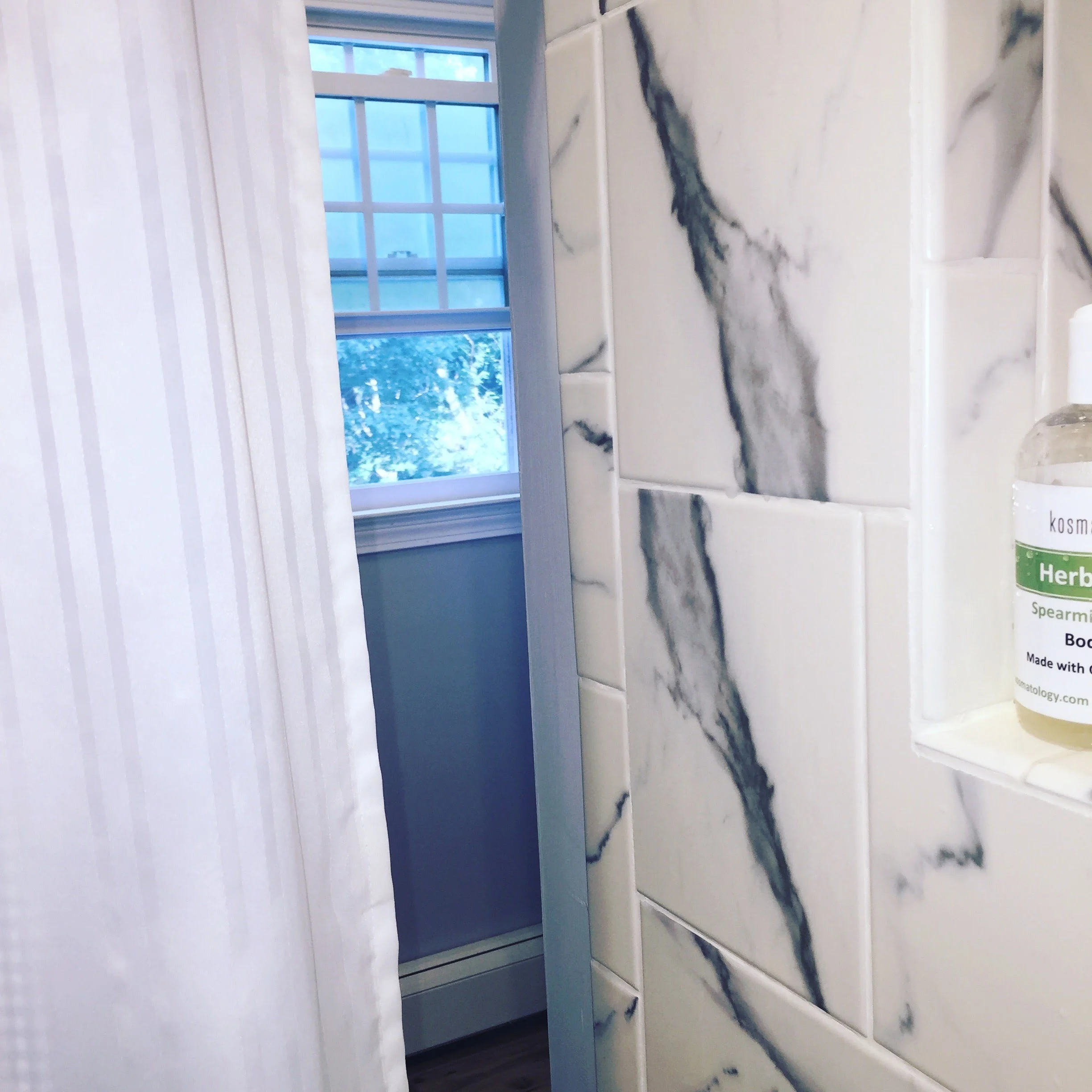
5. Ditch Plastic Shower Curtains
Many plastic shower curtains are made from PVC (polyvinyl chloride).
PVC can emit:
• Volatile organic compounds (VOCs)
• Phthalates
• Potential heavy metals
Instead, try:
• Cotton liners
• Fabric curtains
• Washable shower liners
Just wash regularly to prevent mildew.
6. Skip K-Cups and Brew Coffee the Old-Fashioned Way
Single-use coffee pods create enormous waste.
Consider:
• French press
• Drip coffee maker
• Reusable pod systems
Bonus: it slows down your morning and makes coffee feel intentional again.
7. Green Your Cleaning Products
Switching to non-toxic cleaning products is easier than ever.
Many conventional cleaners contain:
• Synthetic fragrance
• Harsh solvents
• Respiratory irritants
You can:
• Buy eco-certified cleaners
• DIY with vinegar and baking soda
• Choose plant-based, low-tox alternatives
If you're working toward a healthier home, you may also enjoy reading:
• Non-Toxic Spring Cleaning
• The Truth About Fragrance in Household Products
• Ingredient Safety: What to Avoid
8. Say Goodbye to Plastic Wrap
Beeswax wraps are a fantastic alternative.
They:
• Mold to bowls
• Are reusable
• Rinse clean
• Reduce plastic waste
Or simply store food in glass containers with lids.
9. Switch to Wool Dryer Balls
Dryer sheets often contain synthetic fragrance and chemical softeners.
Instead, try:
• Wool dryer balls
• Line drying when possible
Wool dryer balls reduce static and shorten drying time without chemical residue. Pro tip: At the end of your drying cycle, add a couple of essential oils to one dryer ball to add a nice scent to your clothes.
10. Compostable Pet Waste Bags
If you’re picking up something compostable… why put it in a plastic bag that lasts hundreds of years?
Compostable dog waste bags are widely available and an easy upgrade.
Sustainability Isn’t About Perfection
If you made it through this list and feel like you have work to do — welcome to the club.
Green living isn’t all-or-nothing.
It’s:
• One swap at a time
• One habit at a time
• One decision at a time
At Kosmatology, we believe small intentional swaps like choosing refillable hand soap, waterless lotion bars, and MADE SAFE® certified products — add up over time.
If you’re just beginning your low-tox journey, start with one thing this week.
That’s how real change happens.

Frequently Asked Questions
-
A: Reusable grocery bags, glass food storage, and cloth napkins are simple first steps.
-
A: Some plastics can leach chemicals when heated or washed in high temperatures. Glass and stainless steel are safer long-term options.
-
A: Yes. Reducing single-use plastics lowers landfill waste and chemical exposure in the home.