
How to Conserve Water at Home: Easy Ways to Reduce Your Water Footprint
Some mornings my brain goes everywhere.
How does she look that young?
Should I give a TED talk?
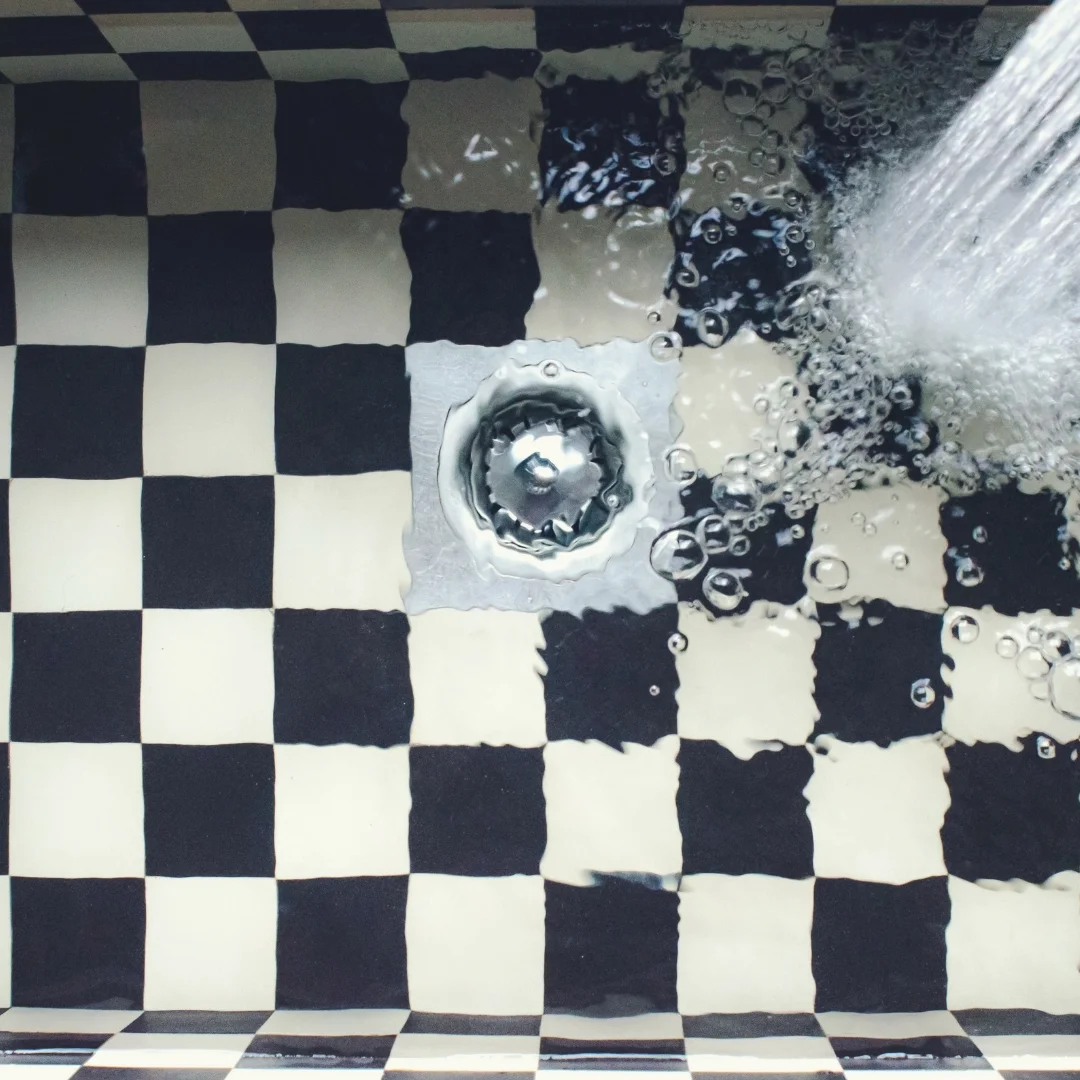
Am I using too much water?
That last one stuck with me.
We all know the obvious water-saving habits:
• Shorter showers
• Efficient appliances
• Turning off the faucet while brushing teeth
But when I started digging deeper, I realized water conservation goes far beyond the bathroom sink.
If you’re trying to live more sustainably, here are practical ways to reduce water usage — both at home and through the food you eat.
How Much Water Do We Really Use?
The average faucet releases about 2.5 gallons of water per minute.
Think about how often water runs unnecessarily:
• While rinsing produce
• While washing dishes
• While waiting for the “perfect” temperature
• While washing hands
Small adjustments here can add up quickly.
Easy Ways to Conserve Water at Home
1. Turn Off the Faucet
It sounds simple — because it is.
Turn the water off while:
• Scrubbing dishes
• Washing fruits and vegetables
• Lathering soap on hands
Even reducing faucet run time by 1–2 minutes per use saves gallons daily.
2. Upgrade to Efficient Fixtures
Low-flow showerheads and faucet aerators can significantly reduce water flow without sacrificing pressure.
They’re inexpensive and easy to install.
3. Catch Rainwater for Gardening
Using collected rainwater for outdoor plants reduces reliance on treated municipal water.
It’s free — and your plants won’t complain.
4. Use Commercial Car Washes
Surprisingly, many commercial car washes recycle water, making them more efficient than washing your car at home with a hose.
The Hidden Water Use: Your Food Footprint
The most surprising discovery? Household water use isn’t the biggest factor.
Food production accounts for approximately 80% of water consumption in the United States.
Yes — agriculture.
Here are some eye-opening comparisons:
• 1 pound of beef requires approximately 1,850 gallons of water
• 1 pound of chicken requires about 519 gallons
• 1 pound of vegetables requires roughly 39 gallons
Those numbers are staggering.
Small Dietary Swaps That Reduce Water Usage
You don’t have to overhaul your entire lifestyle.
Even small changes make a measurable difference.
Replace One Pound of Beef Per Week
Swapping one pound of beef for plant-based meals once per week can save tens of thousands of gallons of water annually.
Drink Water Instead of Juice
Producing orange juice requires significantly more water than simply drinking water. This simple sway could save 16,717 gallons a year.

Rotate in Plant-Based Meals
Plant-forward meals typically require far less water than animal-based products.
You don’t have to give up your morning coffee (I’m not), but even swapping one cup of coffee a day for tea could save 10,950 gallons a year.
Sustainability Is About Progress, Not Perfection
Reducing water usage doesn’t mean extreme sacrifice.
It means awareness.
It means asking:
• Where can I improve?
• What small swap works for my family?
• What habits are easy to adjust?
At Kosmatology, we believe sustainability happens through consistent small choices — whether that’s reducing water waste, choosing refillable packaging, or selecting MADE SAFE® certified products that protect both people and planet.
If you’re interested in more eco-conscious living tips, you may also enjoy:
• Easy Green Swaps for a Non-Toxic Home
• Non-Toxic Spring Cleaning
• How to Recycle Hard-to-Dispose Household Items
Final Thoughts
Water conservation isn’t about guilt.
It’s about intention.
Small habits — turning off the tap, rethinking one weekly meal, adjusting a routine — add up over time.
You don’t have to do everything at once.
Just start somewhere.

Frequently Asked Questions
-
A: Outdoor irrigation, long showers, and constantly running faucets are common high-use areas.
-
A: Yes. Agriculture accounts for approximately 80% of water consumption in the U.S.
-
A: Shorter showers, efficient fixtures, and plant-forward dietary swaps can significantly reduce water usage.