
How Long Should You Keep Your Skincare and Makeup Products?
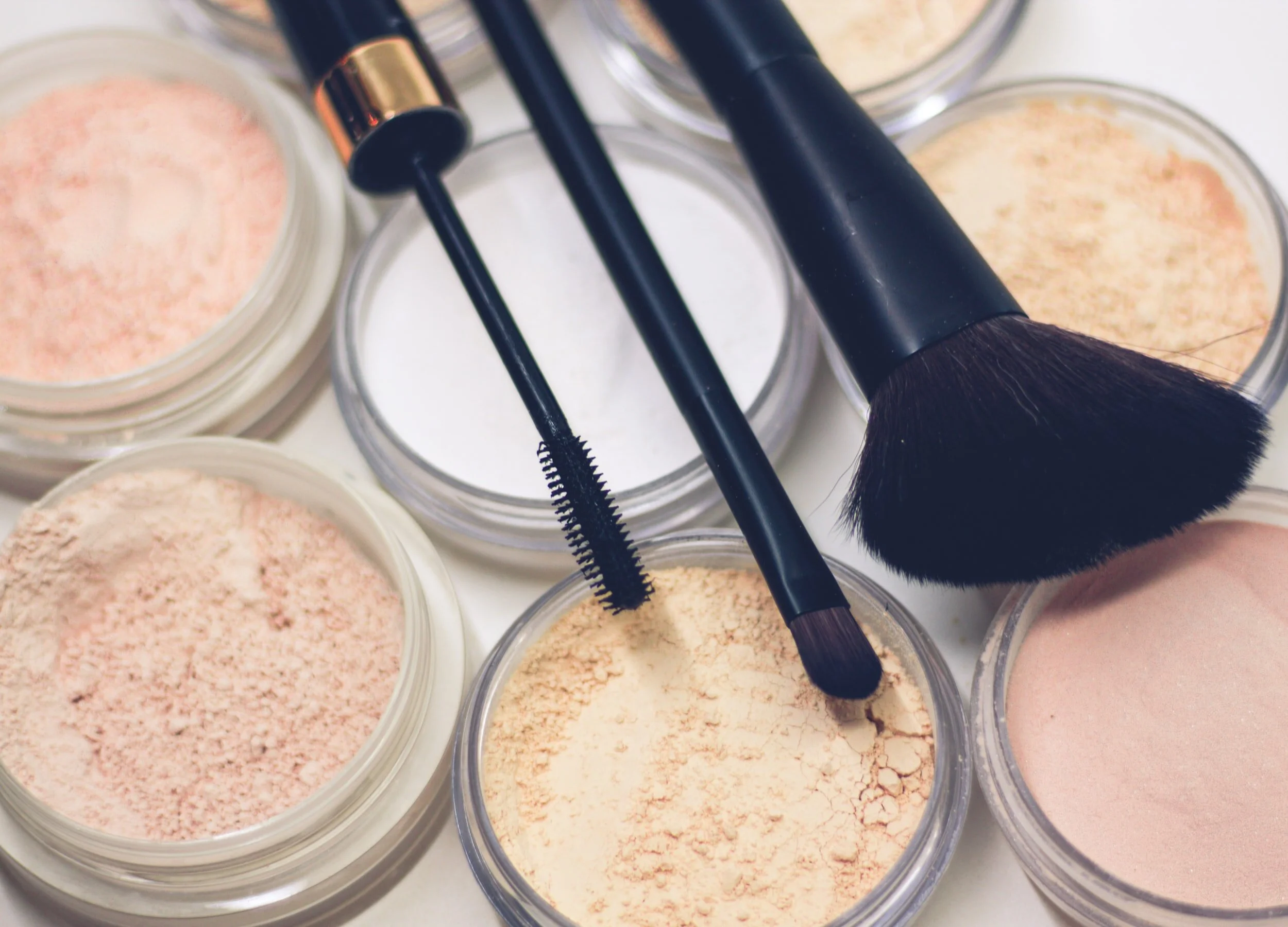
If you’ve ever cleaned out a drawer and wondered, “Is this still good?” — you’re not alone.
Knowing how long to keep your skincare and makeup products isn’t just about staying organized. It’s about protecting your skin from irritation, breakouts, infections, and decreased product performance.
Products don’t last forever — especially clean, plant-based, or natural formulas.
Here’s your complete guide to how long you should keep makeup, skincare, and shower products — and how to tell when it’s time to toss them.
Why Product Expiration Matters
Over time, products can:
Break down and lose effectiveness
Become contaminated with bacteria
Oxidize (especially products with active ingredients like vitamin C)
Change in texture, smell, or color
Using expired skincare or makeup can lead to clogged pores, irritation, allergic reactions, or even infections — especially around the eyes.
Let’s break it down by category.
Makeup Shelf Life Guide
Mascara & Liquid or Gel Eyeliner: 3–4 Months
These are the fastest to expire. Every time you apply mascara or eyeliner, bacteria from your lashes and eyelids transfer to the wand and go right back into the tube. Because of that constant exposure, eye products should be replaced every 3–4 months even if they look fine.
Using old mascara increases your risk of:
Eye irritation
Styes
Pink eye
If it’s older than a season, it’s time to replace it.
Lipstick & Lip Balm: Up to 1 Year
Lip products typically last about a year after opening.
If you notice:
A change in smell
A waxy or sour scent
Texture changes
It’s time to toss it.
Most people don’t keep lip balms this long anyway — they tend to disappear mysteriously.
(If you’re using clean, beeswax-free lip balm like ours, you’ll likely use it up well before then.)
Liquid Foundation: Up to 1 Year
Liquid foundation can last about a year, if stored properly.
To extend its shelf life:
Keep it away from heat and humidity
Avoid storing in steamy bathrooms
Use a clean brush or sponge instead of fingers
Fingers introduce bacteria into the bottle, which can shorten its lifespan.
If your foundation starts separating, smelling off, or changing color, discard it.
Powder Products (Blush, Eyeshadow, Bronzer): Up to 2 Years
Powders last longer because they don’t contain water.
However:
If they develop an unusual smell
If they become hard or wet
If you drop them and they shatter
It may be time to replace them. And remember clean your makeup brushes regularly to prevent transferring bacteria back into the product.
Skincare Product Shelf Life
Clean skincare and natural formulations may not last as long as conventional products loaded with synthetic preservatives.
That’s not a flaw — it’s a feature of safer formulations.
Facial Cleansers: Up to 1 Year
Most cleansers last about one year after opening.
Since most people wash their face twice daily, finishing a bottle within that timeframe is common.
If the texture changes or it smells different, it’s time to replace it.
Serums: 6 Months
Serums have the shortest shelf life because they often contain active ingredients.
For example:
Vitamin C oxidizes quickly
Botanical extracts degrade over time
If your serum:
Darkens in color
Smells metallic or sour
Changes consistency
It has likely oxidized and lost effectiveness.
Moisturizers: 6–12 Months
Shelf life depends on formulation.
Water-based moisturizers: 6 months
Oil-based moisturizers: up to 1 year
If your moisturizer smells rancid or the texture changes, it has likely started breaking down.
Waterless moisturizers like our Organic Lotion Bars for Dry and Eczema-Prone Skin tend to have a longer shelf life because they do not contain water and they don’t require the same preservative system.
Body Lotion: 6–24 Months
This category varies widely.
Traditional body lotions with preservatives can last up to 2 years.
Oil-only or waterless formulas generally last 12–18 months.
Always watch for:
Changes in smell
Separation
Texture changes
Shower Products Shelf Life
Body Wash: About 6–12 Months
Even though body wash lives in the shower, it still expires.
Why?
Water can get into the bottle
Temperature fluctuations encourage bacterial growth
Clean formulas don’t contain harsh preservatives
If you’re holding onto a bottle you didn’t love but keep telling yourself you’ll finish it — this is your permission to let it go.
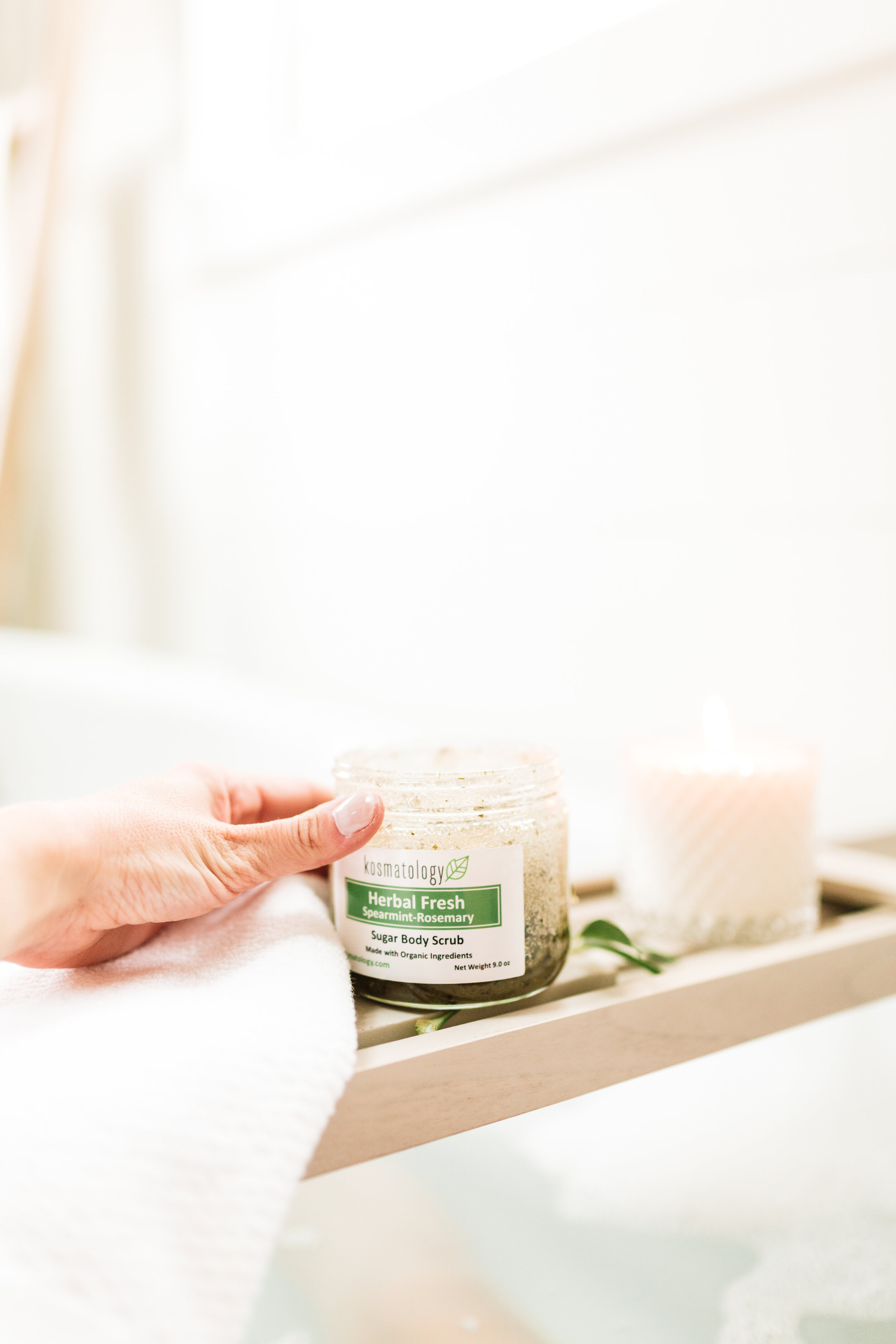
Sugar Scrubs: 6 Months
Scrubs are especially vulnerable because they’re often stored in jars or tubs.
Water entering the container speeds up deterioration and can allow bacterial growth.
To extend shelf life:
Store outside the shower
Use clean, dry hands
Close tightly after each use
If the texture changes or smells off, discard.
Signs Your Skincare Has Expired
Regardless of category, toss products if you notice:
Sour or rancid smell
Separation that doesn’t remix
Color changes
Mold
Burning or irritation upon use
Trust your senses.
Do Clean Beauty Products Expire Faster?
In some cases, yes.
Products without synthetic preservatives may have shorter shelf lives especially if they contain:
Water
Active botanicals
Essential oils
That’s why small-batch, plant-based brands often recommend using products within a certain timeframe after opening.
It’s part of maintaining ingredient integrity.
Final Thoughts
Keeping track of product expiration protects your skin and ensures you’re actually getting the results you expect.
If you’re unsure about a product:
When in doubt, throw it out.
Your skin will thank you.
If you have sensitive or eczema-prone skin, you may also want to read:
• Best Body Wash for Eczema and Sensitive Skin
• Why Fragrance-Free Skincare Matters
• The Truth About Fragrance in Skincare

Frequently Asked Questions About Skincare Expiration
-
A: Look for changes in smell, color, texture, or separation. If a product smells sour or causes irritation, discard it.
-
A: Some clean beauty products may have shorter shelf lives because they avoid synthetic preservatives. Proper storage helps extend freshness.
-
A: Mascara should be replaced every 3–4 months due to bacterial exposure from repeated use.
-
A: Most body washes last 6–12 months after opening. Store away from excess heat and water exposure.
-
Q: Can expired skincare cause breakouts?