
In Defense of Dirt: Why a Little Dirt Can Be Good for You
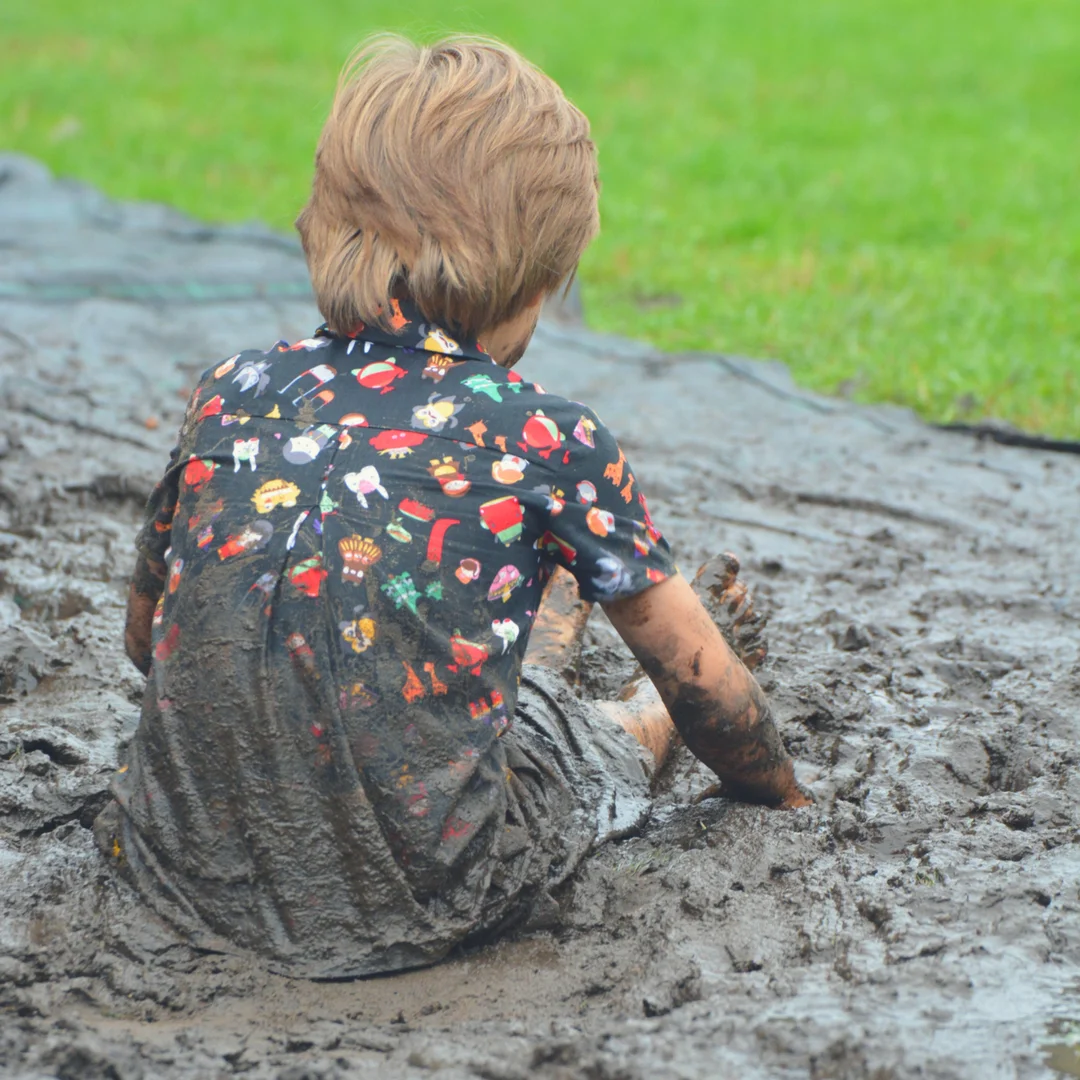
Dirt has gotten a bad reputation in modern life, but many parents and experts now ask an important question: is dirt actually good for kids? Not all exposure to dirt and everyday germs is harmful, and time spent outdoors—gardening, playing, and exploring—can be an important part of a balanced, healthy lifestyle. Understanding the difference between harmful bacteria and normal environmental exposure helps families make practical choices about cleanliness, handwashing, and outdoor play.
Is Dirt Good for Kids?
Many parents wonder whether exposure to dirt and everyday germs is harmful or helpful. While good hygiene is important, research and pediatric guidance suggest that normal outdoor play and everyday environmental exposure are a natural part of childhood development. Activities like playing in the yard, gardening, and spending time outside help children interact with the world around them in ways that are both normal and healthy.
Today, many of us are used to sterilizing everything and keeping children as clean as possible at all times. Hand sanitizer at the petting zoo, antibacterial wipes after touching a dog, or rushing kids straight into the bath after playing outside have become the norm. But many health professionals now recognize that everyday environmental exposure plays a role in helping the body learn and adapt over time.
Research has explored how early exposure to common microbes may be associated with the way the immune system develops. For example, a study published by the American Academy of Pediatrics in 2013 examined pacifier-cleaning habits and found interesting differences among groups of children whose parents cleaned pacifiers in different ways. While studies like this don’t prove cause and effect, they contribute to a growing conversation about how our modern, highly sanitized lifestyles may differ from those of previous generations. Read the study here.
The Benefits of Outdoor Play for Kids
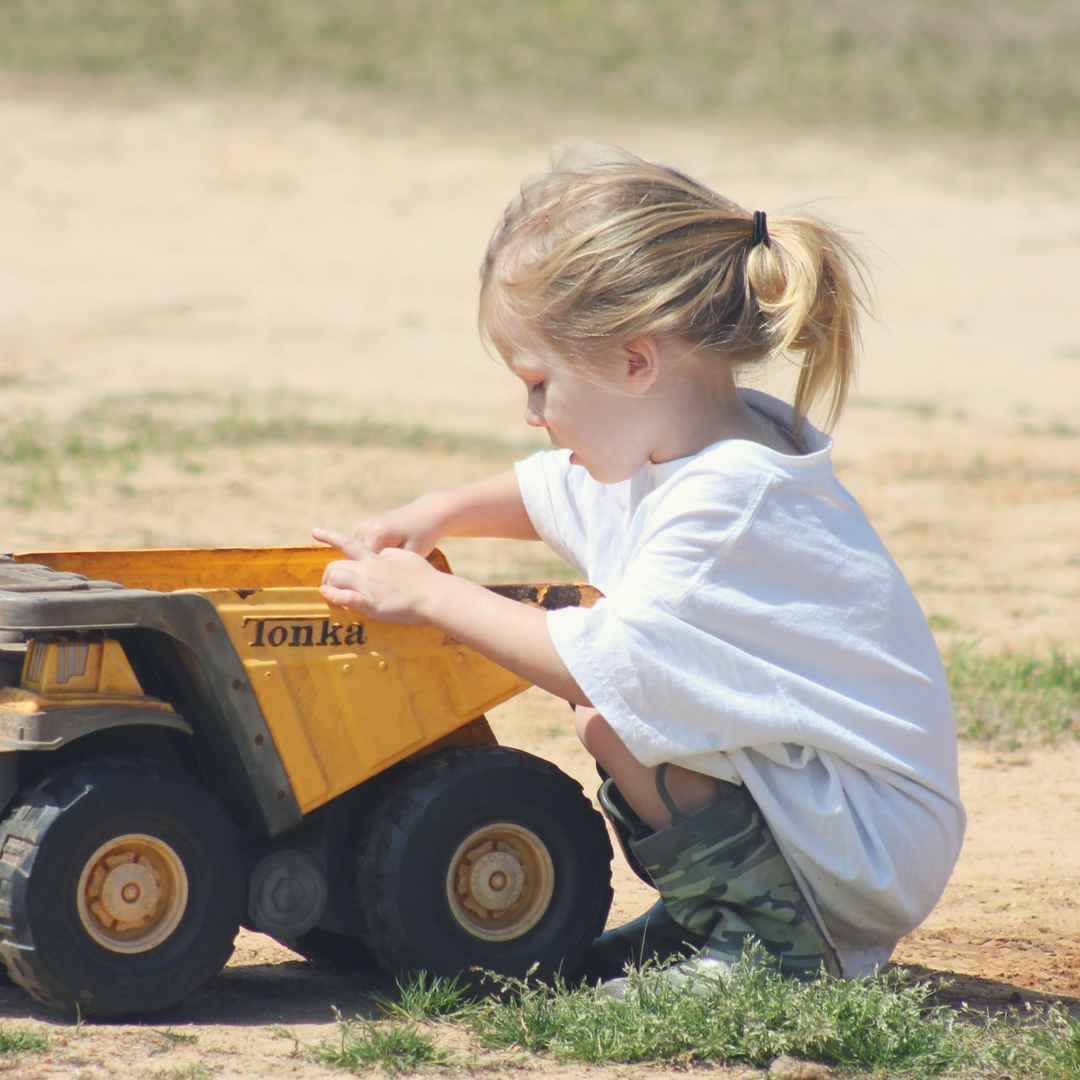
Outdoor play offers more than just fresh air. Running, climbing, digging, and exploring help children build confidence, coordination, and independence. Time outside also encourages creativity, movement, and connection with nature.
For many families, outdoor play is also a natural way to balance cleanliness with real life—hands get dirty, knees get muddy, and kids learn through experience. Washing up afterward with non-antibacterial hand soap is usually all that’s needed.
Healthy Habits That Matter Most
Washing hands before eating and after the bathroom
Playing outdoors regularly
Using gentle soap instead of harsh antibacterial products
Allowing normal everyday exposure to the environment
It can also help to think about what we’re cleaning with. Some antibacterial products and harsh ingredients can be unnecessarily strong for everyday use. If you’re curious about which ingredients to watch for, you can read our guide on ingredients to avoid in personal care products
At our house, we focus on practical hygiene—washing hands when it matters, using gentle soap, and letting kids be kids. Dirt washes off. Childhood doesn’t last forever.
Frequently Asked Questions About Exposure to Dirt and Immune Health
-
A: Some research suggests that exposure to diverse microbes in natural environments may help support immune system development and balance.
-
A: The hygiene hypothesis suggests that reduced exposure to microbes early in life may contribute to increased allergies and immune sensitivities.
-
A: For most children, normal outdoor play is a healthy part of development. Basic hygiene practices like washing hands before eating are still important.

About the Author
Janis Covey, PharmD
Compounding pharmacist and founder of Kosmatology, Janis formulates gentle skincare designed for sensitive skin and families. Her work focuses on ingredient transparency, skin barrier support, and simple routines that help skin stay comfortable and healthy. Learn more about her approach to skincare on the About Kosmatology page.