
Foods That Boost Collagen Naturally: How to Support Healthy Skin from Within
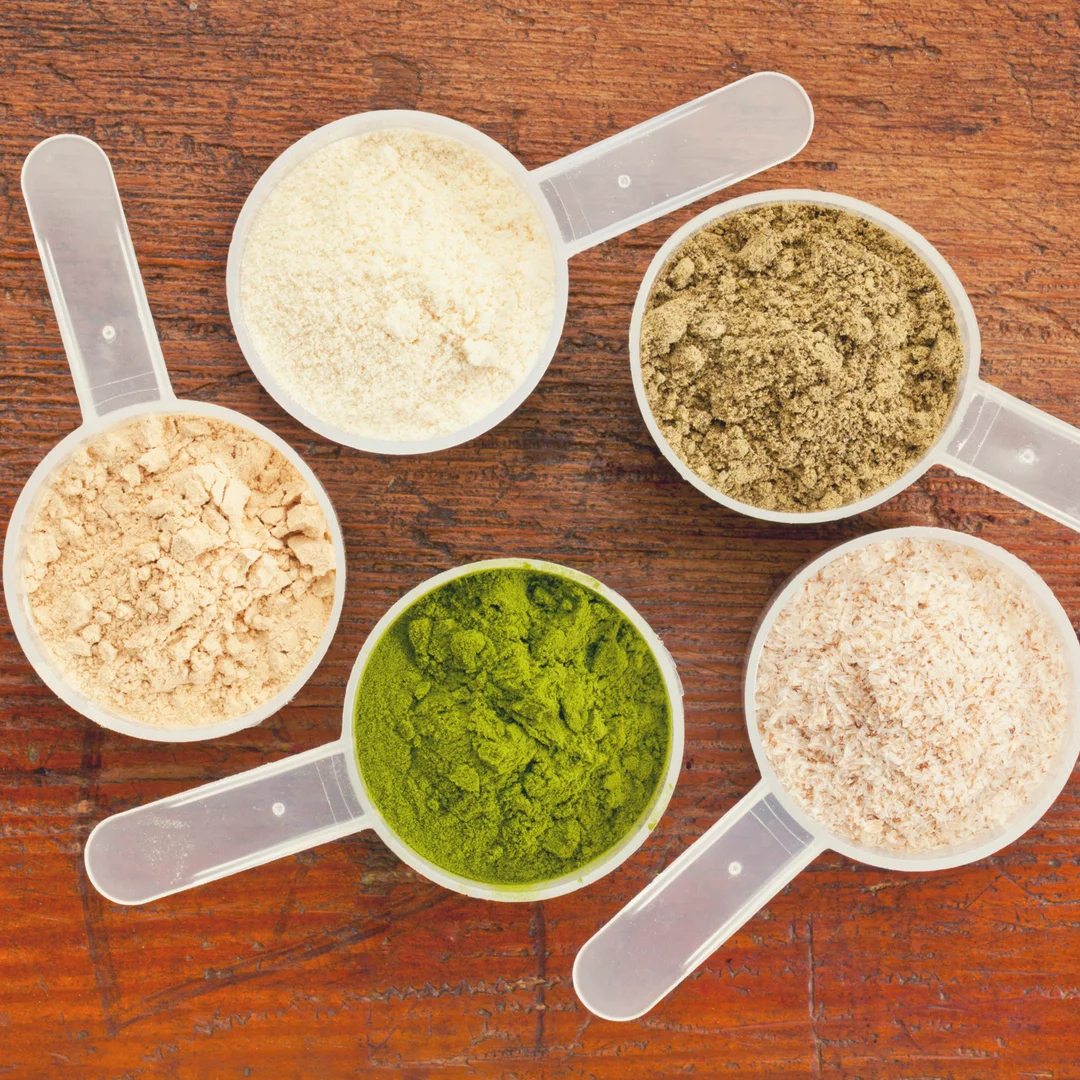
Collagen supplements are everywhere right now. Powders, drinks, capsules—there’s no shortage of products promising smoother skin and healthier joints. But what exactly is collagen, and is supplementation really necessary?
Collagen is a structural protein made up of amino acids such as glycine, proline, hydroxyproline, and arginine. It’s found in skin, muscles, connective tissue, and bones, and it plays a critical role in maintaining strength, elasticity, and hydration in the skin.
Our bodies naturally produce collagen, but production slows with age. Sun exposure, stress, poor diet, and environmental factors can also contribute to collagen breakdown.
The good news? One of the most effective ways to support collagen production naturally is through nutrition.
Eating foods rich in key vitamins, minerals, and antioxidants gives your body the building blocks it needs to produce and protect collagen.
Let’s look at some of the best nutrients and foods that help support healthy skin naturally.
Vitamin A: Supports Skin Cell Renewal
Vitamin A plays an important role in skin health by supporting cell growth and repair. Healthy skin turnover helps maintain a smoother, more resilient complexion.
Foods high in Vitamin A include:
Carrots
Sweet potatoes
Butternut squash
Apricots
Kale
Spinach
Bright orange vegetables are often excellent sources, but leafy greens also provide significant amounts.
Vitamin C: Essential for Collagen Production
Vitamin C is one of the most important nutrients for collagen synthesis. Without it, your body cannot efficiently produce collagen.
Vitamin C also acts as an antioxidant, helping protect existing collagen from damage caused by free radicals and environmental stressors.
Great food sources include:
Red bell peppers
Strawberries
Kiwi
Pineapple
Broccoli
Citrus fruits
If you’re interested in boosting your immune system while increasing Vitamin C intake, you may also enjoy reading:
Foods High in Vitamin C: Natural Ways to Support Your Immune System
Vitamin E: Protects Skin from Oxidative Damage
Vitamin E works alongside Vitamin C to protect skin cells and may help support the skin’s natural defenses against environmental stress.
Foods rich in Vitamin E include:
Sunflower seeds
Almonds
Hazelnuts
Pine nuts
Peanut butter
These foods also provide healthy fats that support skin hydration and elasticity.
Choline: Helps Form Collagen-Building Amino Acids
Choline is an often-overlooked nutrient that helps the body produce glycine, one of the amino acids necessary for collagen formation.
Good sources of choline include:
Eggs
Beans
Dairy products
Broccoli
Nuts and seeds
Lycopene: Helps Protect Collagen
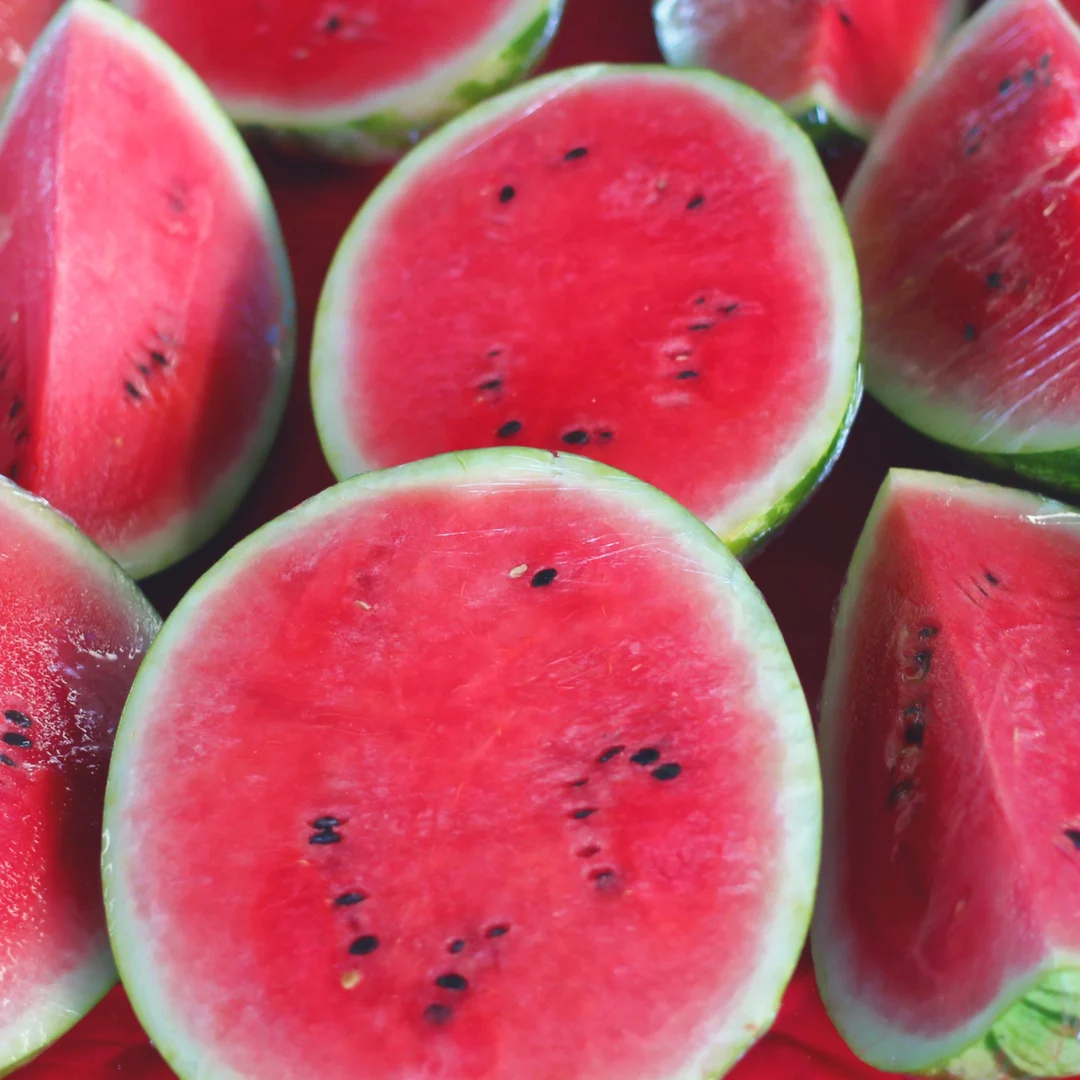
Lycopene is a powerful antioxidant that may help protect skin from environmental damage and support collagen synthesis.
Foods high in lycopene include:
Tomatoes
Watermelon
Pink grapefruit
Papaya
These foods also support overall cardiovascular health and provide a wide range of beneficial phytonutrients.
Omega-3 Fatty Acids: Reduce Inflammation
Inflammation is one of the factors that can accelerate collagen breakdown in the body. Omega-3 fatty acids help reduce inflammation and support overall skin health.
Plant-based sources include:
Walnuts
Chia seeds
Flaxseed
Avocados
Adding these foods regularly can help support healthy skin and overall wellness.
Hydration Matters for Skin Health
While nutrition plays a major role in collagen production, hydration is equally important. Skin cells rely on proper hydration to maintain elasticity and barrier function.
Drinking enough water and eating water-rich foods like fruits and vegetables helps keep skin looking healthy and comfortable.
A Simple Smoothie to Support Collagen Production
If you’re looking for an easy way to add collagen-supporting nutrients to your day, smoothies are a great place to start.
Try this simple combination:
1 cup almond or cashew milk
1 tablespoon sunflower seeds or almond butter
1 cup frozen strawberries
A handful of spinach
Optional: chia seeds or avocado
Blend and enjoy. It’s an easy, customizable way to increase your intake of vitamins, antioxidants, and healthy fats.
Supporting Skin Health Beyond Diet
Nutrition is one part of healthy skin, but what you put on your skin also matters. Gentle, non-irritating skincare can help support the skin barrier and reduce unnecessary stress on sensitive or dry skin.
If you’re interested in learning more about ingredients to watch for in personal care products, read:
Ultimate Guide to Avoiding Toxic Ingredients in Your Products
And if your skin tends to be sensitive, fragrance-free products can be especially helpful. You may also find this guide useful:
Why Unscented Skincare Matters More Than You Think
Final Thoughts: How to Increase Collagen Naturally
While collagen supplements continue to be popular, a balanced diet rich in vitamins, antioxidants, and healthy fats remains one of the most reliable ways to support your body’s natural collagen production.
Eating a variety of fruits, vegetables, nuts, and seeds supports not only your skin, but your immune system, heart health, and overall well-being.
Small, consistent habits—like adding an extra serving of vegetables or blending a daily smoothie—can make a meaningful difference over time.
And that’s a habit worth keeping.
Frequently Asked Questions About Boosting Collagen Naturally
-
A: Foods rich in vitamin C, amino acids, and antioxidants—such as citrus fruits, berries, leafy greens, eggs, and bone broth—help support the body’s natural collagen production.
-
A: Yes. Collagen production depends on nutrients like vitamin C, zinc, and protein. A balanced diet rich in whole foods can help support healthy skin structure over time.
-
A: Collagen production naturally begins to decrease in the mid-20s and continues to decline gradually with age.
-
A: Not always. Many people can support collagen production through a nutrient-rich diet that includes foods containing the building blocks needed for collagen synthesis.

About the Author
Janis Covey, PharmD
Compounding pharmacist and founder of Kosmatology, Janis formulates gentle skincare designed for sensitive skin and families. Her work focuses on ingredient transparency, skin barrier support, and simple routines that help skin stay comfortable and healthy. Learn more about her approach to skincare on the About Kosmatology page.
Related Reading
Skin health is closely tied to nutrition, inflammation balance, and collagen integrity. If you’d like to explore these topics further, start here:
• Sugar and Skin Aging: How Glycation Affects Collagen
• Matcha: Antioxidant Benefits Explained
• Golden Milk: Anti-Inflammatory Turmeric Recipe
• Pineapple Perfection: Benefits of Bromelain
• Natural Ways to Reduce Seasonal Allergy Symptoms