
Olive Oil for Skin: Benefits, Uses, and Why It’s a Skincare Staple
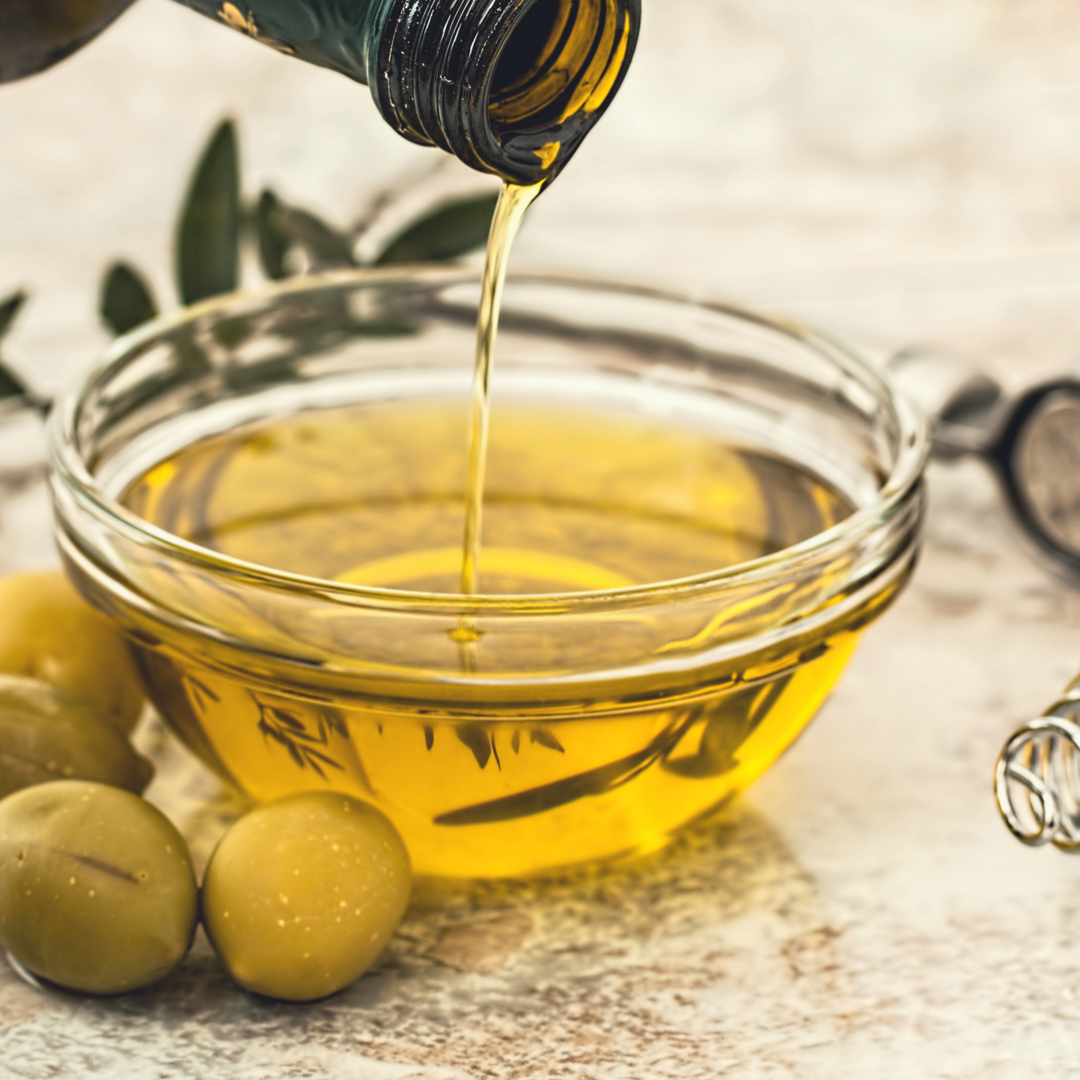
I once spilled nearly half a bottle of olive oil on my kitchen counter. I could have cried. Instead of letting it go to waste, I scraped it into a container and moved it to the bathroom. I used it everywhere—on my legs, my cuticles, in the bath, even in my hair.
It turns out my grandmother was right all along: olive oil really is skin care gold.
For centuries, olive oil has been used as a natural moisturizer, cleanser, and skin protectant. Today, modern research is beginning to confirm what traditional cultures already knew—olive oil contains nutrients that support healthy skin in multiple ways.
Why Olive Oil Is Good for Skin
Olive oil is naturally rich in compounds that help protect and nourish the skin.
These include:
Antioxidants: Olive oil contains polyphenols and vitamin E, which help protect skin from environmental stressors and free radicals.
Healthy Fatty Acids: Oleic acid and other lipids help reinforce the skin barrier and reduce moisture loss.
Squalene: This naturally occurring compound helps hydrate and soften the skin, supporting smooth, supple texture.
Anti-inflammatory Properties: Olive oil may help soothe dry, irritated, or sensitive skin.
Because of this combination, olive oil is often used in products designed for dry, sensitive, or eczema-prone skin.
Olive Oil and the Skin Barrier
One of the most important roles of skincare is protecting the skin barrier—the outer layer of skin that helps keep moisture in and irritants out.
When the skin barrier is compromised, skin can feel dry, tight, itchy, or irritated.
Plant oils like olive oil help:
Reduce moisture loss
Support barrier function
Improve skin softness
Provide long-lasting hydration
This is one of the reasons olive oil is often used in gentle cleansers and moisturizing products designed for sensitive skin.
A Long History of Olive Oil in Skincare
Olive oil isn’t a modern trend—it has been used for thousands of years.
Ancient Greeks and Egyptians used olive oil in cleansers, bath rituals, and moisturizers. Cleopatra is said to have used olive oil as part of her skincare routine, and olive oil played a central role in bathing and massage practices across the Mediterranean.
The olive tree itself has an extraordinary history. Scientists studying olive trees in the Garden of Gethsemane carbon-dated some specimens to at least 900 years old—and still thriving.
The olive tree has long been a symbol of vitality, resilience, and longevity, which makes its connection to skincare feel especially fitting.
Olive Oil in Traditional Beauty Rituals
Many ancient cultures followed a simple philosophy:
If you wouldn’t eat it, why would you put it on your skin?
Today, many people are returning to this idea and choosing skincare made with recognizable, plant-based ingredients.
Olive oil continues to be used in:
Soaps and cleansers
Moisturizers
Hair treatments
Massage oils
Bath oils
Even today, beauty icons and dermatologists often recognize the benefits of simple, nourishing ingredients.
Sophia Loren famously credited olive oil as part of her beauty routine, once saying she enjoyed “the odd bath in virgin olive oil.”
While most of us may not be filling the tub with it, the principle remains the same—simple ingredients can be powerful.
How Olive Oil Is Used in Modern Skincare
Today, olive oil is commonly used in formulations that cleanse without stripping the skin.
For example:
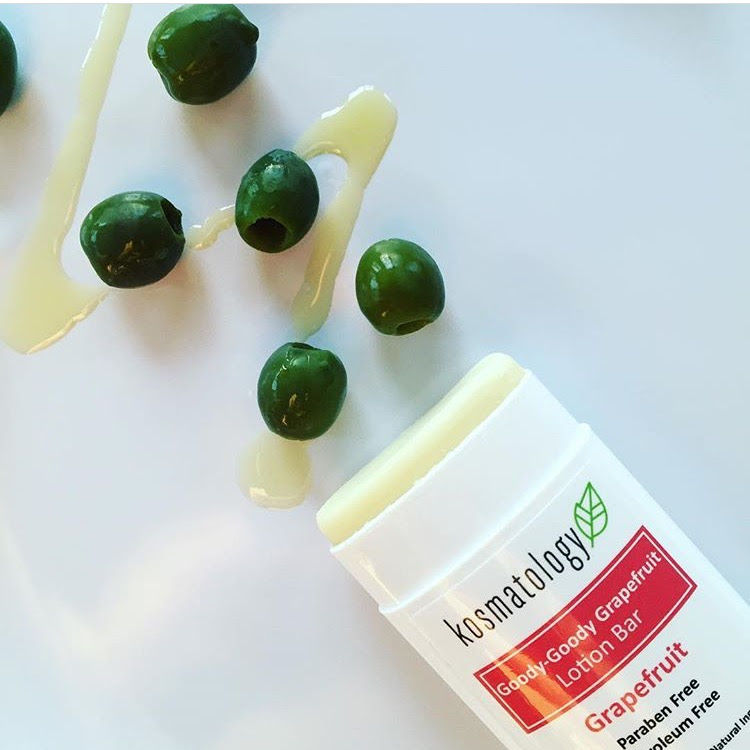
Moisturizing balms
When used in balanced formulations, olive oil helps cleanse effectively while maintaining the skin’s natural moisture barrier.
This is especially important for people with:
Dry skin
Sensitive skin
Eczema-prone skin
Frequent handwashing
If you’re interested in gentle skincare for sensitive skin, you may also find helpful information in our guide to fragrance-free skincare and why it matters.
Choosing Skincare with Olive Oil
Not all skincare products are created equal. When choosing products that contain olive oil, look for:
Simple ingredient lists
Plant-based oils and butters
Products free from harsh detergents
Formulas designed for sensitive skin
These types of formulations allow olive oil to support the skin without unnecessary additives.
The Takeaway: Simple Ingredients Often Work Best
The skincare industry often promotes complex formulas and expensive ingredients, but sometimes the most effective solutions have been around for centuries.
Olive oil is a perfect example.
It hydrates.
It protects.
It nourishes.
And sometimes, it even saves the day when you spill half a bottle on the kitchen counter.
Frequently Asked Questions About Olive Oil for Skin
-
A: Olive oil contains antioxidants and fatty acids that can help support the skin barrier and reduce moisture loss when used appropriately.
-
A: Yes. Olive oil is often used in skincare formulations because its fatty acid profile helps soften skin and support hydration.
-
A: Olive oil can feel heavy for some skin types, particularly acne-prone skin. Many people prefer using it in balanced formulations rather than applying it directly.
-
A: Olive oil is valued for its stability, moisturizing properties, and antioxidant content, making it a common ingredient in traditional skincare.

About the Author
Janis Covey, PharmD
Compounding pharmacist and founder of Kosmatology, Janis formulates gentle skincare designed for sensitive skin and families. Her work focuses on ingredient transparency, skin barrier support, and simple routines that help skin stay comfortable and healthy. Learn more about her approach to skincare on the About Kosmatology page.