
KOSMATOLOGY BLOG

Why Fragrance in Hand Soap Can Irritate Sensitive Skin
For many people, fragrance is what makes a hand soap feel luxurious. A pleasant scent can make washing your hands feel refreshing and enjoyable. But for others, fragrance in hand soap can cause dryness, irritation, or even allergic reactions.
Fragrance is one of the most common causes of skin irritation in personal care products. In hand soap, fragrance ingredients can trigger redness, itching, or dryness for people with sensitive or eczema-prone skin.
If you’ve ever noticed your hands feeling itchy, tight, or uncomfortable after washing, fragrance in hand soap may be one of the reasons.
Understanding how fragrance works in hand soap can help you choose products that support your skin rather than aggravate it.
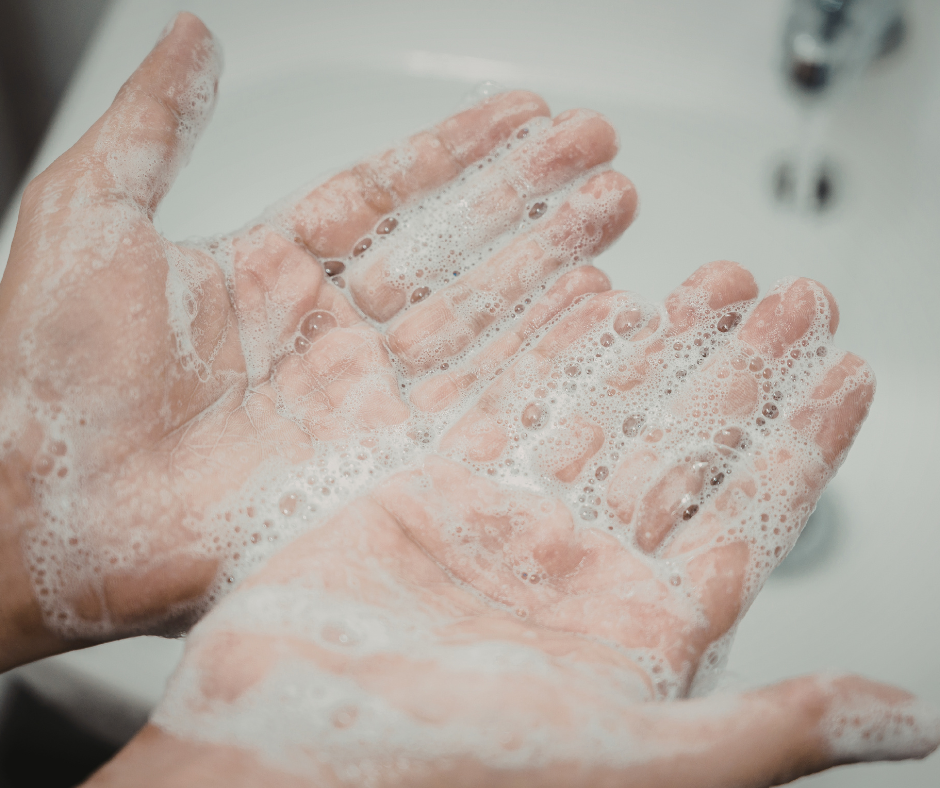
Why Does Hand Soap Dry Out Your Hands? (And the Best Soap for Sensitive Skin)
Handwashing is one of the most important habits for preventing the spread of germs. But many people notice something uncomfortable after washing their hands—skin that feels tight, dry, rough, or irritated.
If this happens to you, you’re not imagining it. Many common hand soaps can strip away the skin’s natural protective oils, leaving the skin barrier vulnerable to dryness and irritation.
Understanding why hand soap can dry out your hands can help you choose gentler products and protect your skin.
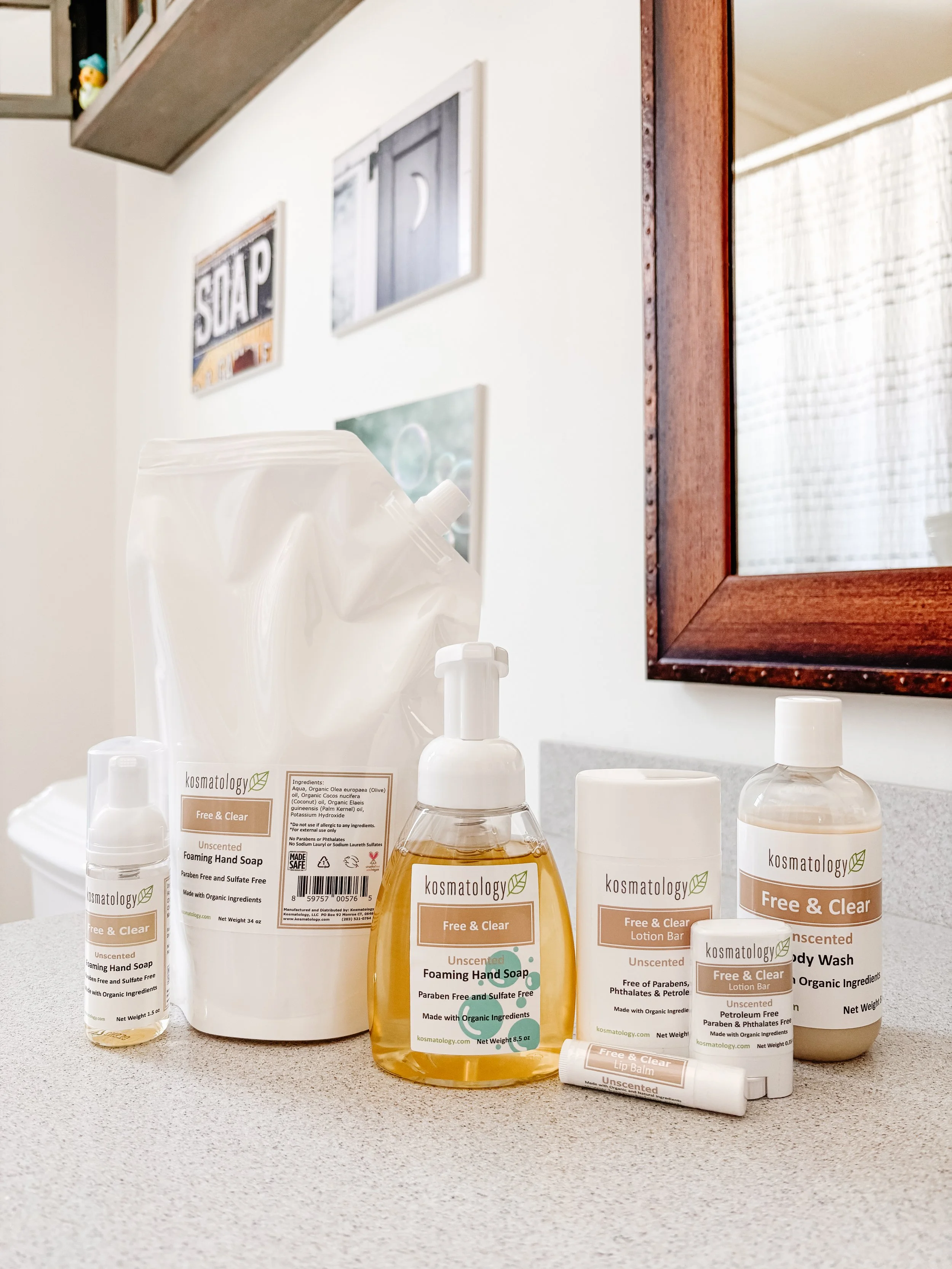
Why Unscented Skincare Matters More Than You Think
When it comes to skincare, scent often steals the show. From floral face creams to citrusy body washes, fragrance can be a delightful part of the experience. But for many, scent—whether natural or synthetic—can cause irritation, allergies, or simply be overwhelming. That’s where unscented products shine.

Understanding Dry Skin: Causes, Prevention, and How to Restore Your Skin Barrier
Dry skin is one of the most common skincare concerns people experience. It often appears as tight, rough, flaky, or irritated skin, and while it may seem like a minor inconvenience, persistent dryness can signal a weakened skin barrier.
Some people only experience dry skin during the winter months, while others struggle with it year-round. Understanding why dry skin happens and how to support your skin barrier is the first step toward keeping skin comfortable and healthy.
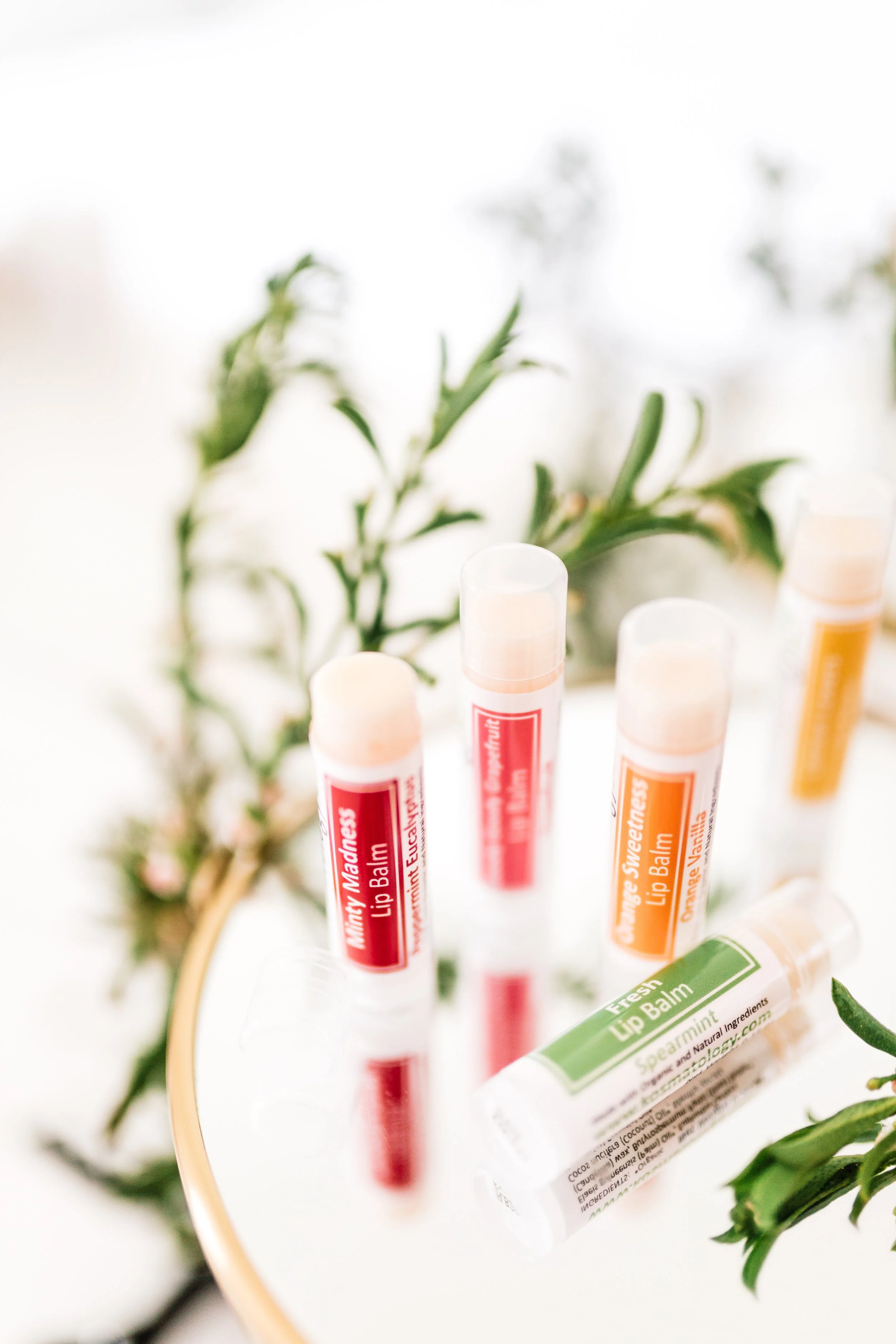
Is Chapstick Bad for You? Ingredients in Lip Balm That May Dry Your Lips
Lip balm is a staple in many daily routines, offering quick relief for dry or chapped lips. But some people notice that their lips feel dry again soon after applying it and begin to wonder: is chapstick bad for you, or can lip balm actually make your lips worse?
If you’ve ever felt like you constantly need to reapply lip balm, you’re not alone. Many people ask, “Why am I addicted to lip balm?” In most cases, it isn’t a true addiction. Instead, it’s often a cycle where lips feel temporarily soothed but become dry again soon after.
This can happen because of environmental factors, daily habits, or certain lip balm ingredients that may irritate or dry the lips when used repeatedly.
Understanding how lip balm works—and which ingredients to watch for—can help you choose products that support healthier, more comfortable lips.

Ingredients to Avoid in Hand Soap (And How to Choose a Non-Toxic Soap)
The quality of your hand soap is not only determined by what it has, but also by what it lacks. Choose wisely, because what you wash your hands with can have a significant impact on your health and wellbeing.
Discover the ingredients that we never use in our hand soap and learn why it's important for your health and safety.

Best Body Wash for Eczema, Dermatitis, and Sensitive Skin: A Complete Guide
If you have eczema, dermatitis, or sensitive skin, choosing the right skincare products can make a significant difference in daily comfort. Many cleansers contain ingredients that can strip natural oils or irritate already sensitive skin, which is why many people search for the best body wash for eczema, dermatitis, sensitive or dry skin.
Many dermatologists recommend gentle cleansers designed for sensitive skin because harsh detergents and synthetic fragrance can weaken the skin barrier and worsen irritation. Understanding how cleansers affect the skin barrier and what ingredients to look for can help you make better choices and support healthier skin over time.
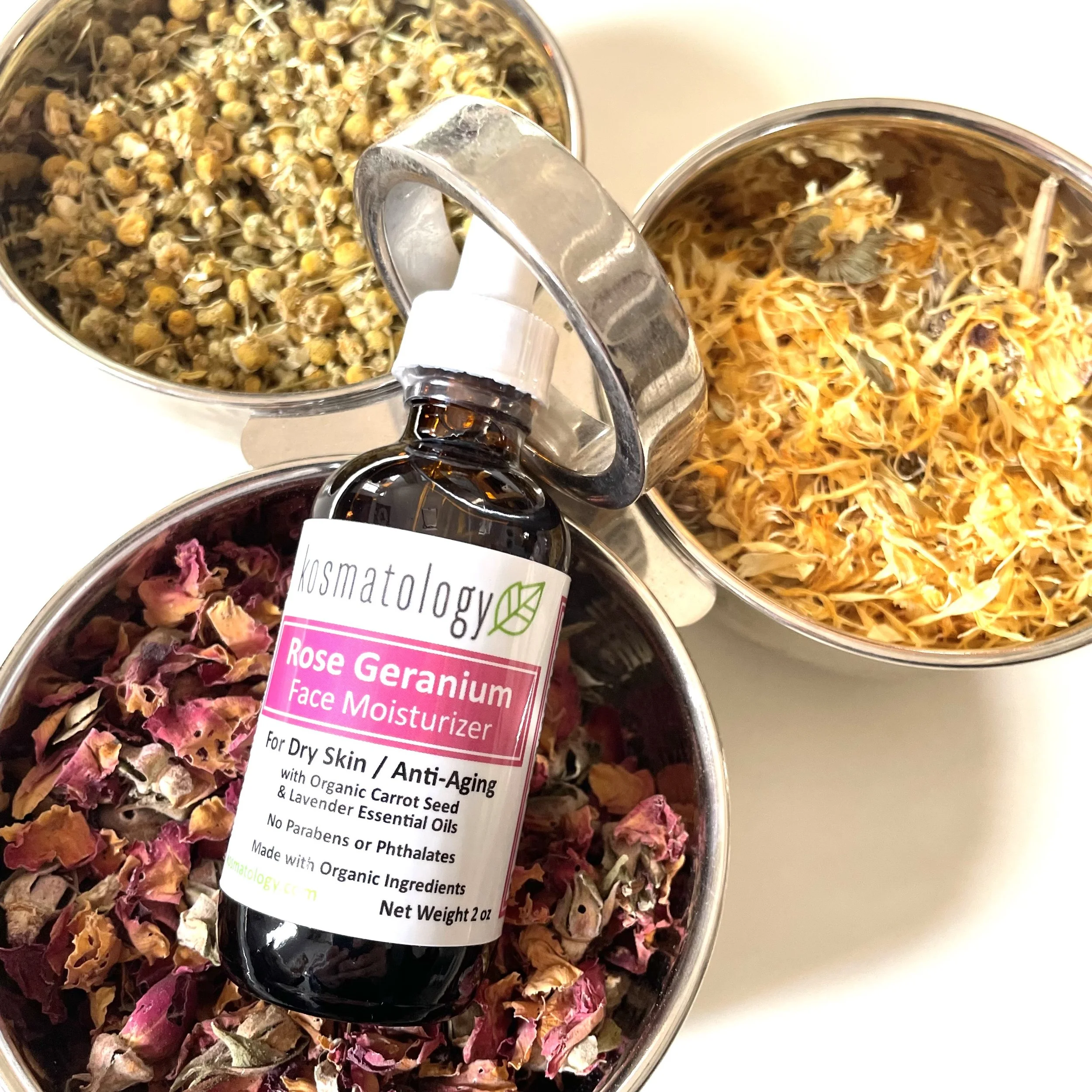
Why Face Oils Are Good for Your Skin (And How to Use Them)
Many people hesitate to use oil on their face. A common concern is that oils will make skin greasy, clog pores, or cause breakouts. But when the right plant-based oils are used properly, facial oils can be one of the most effective and gentle ways to support healthy, balanced skin.
Understanding how facial oils work can help you choose the right moisturizer for your skin type and routine.