
WHAT IS WATERLESS SKINCARE?
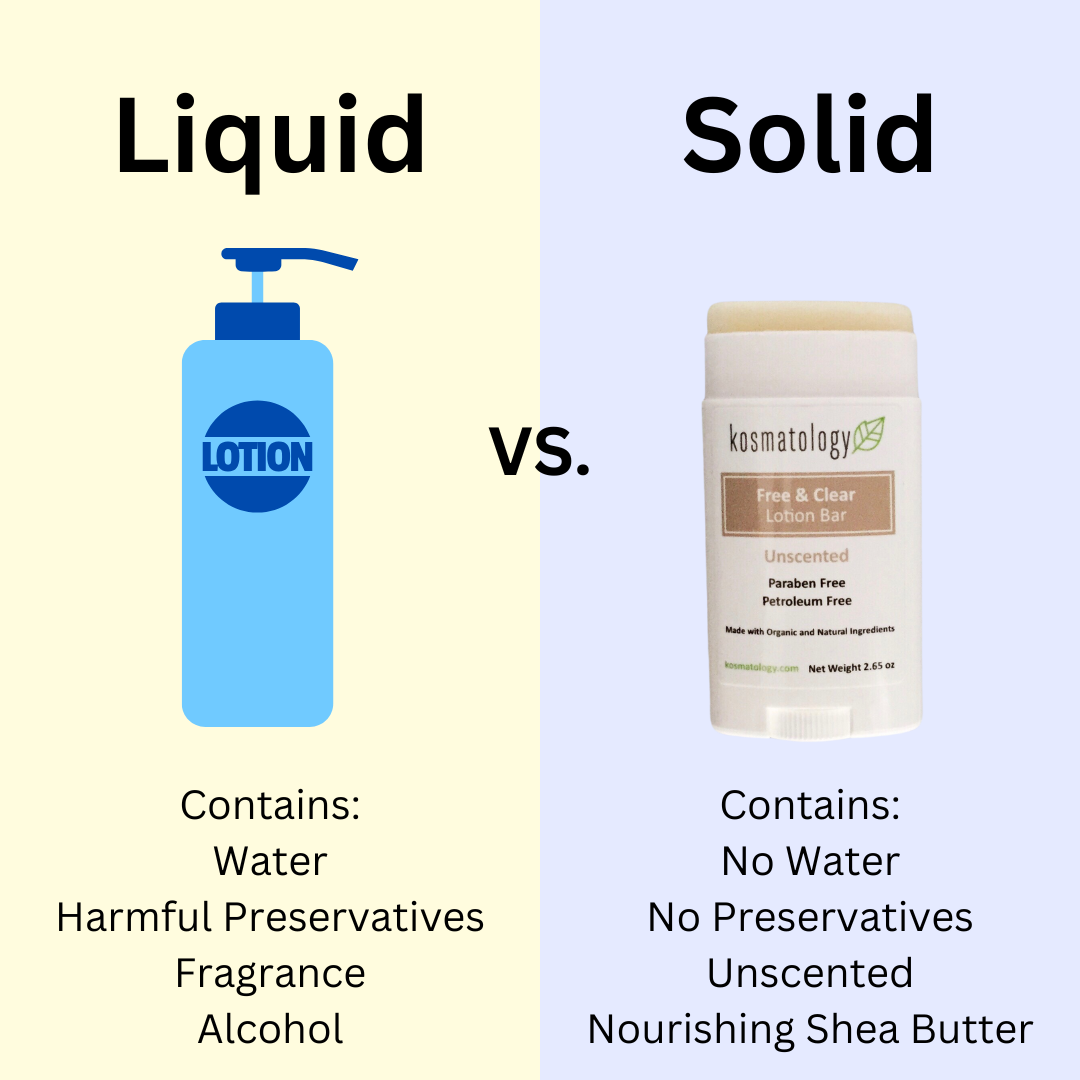
Waterless skincare refers to products formulated without added water. Instead of using water as a primary ingredient, these products rely on concentrated, skin-nourishing components such as plant oils, butters, and waxes.
In many conventional skincare products, water (often listed as “aqua”) is the first ingredient. While it helps create lightweight textures and easy spreadability, it can also dilute the overall effectiveness of a product.
If you’ve ever experienced irritation from traditional products, it may be helpful to understand how ingredients like fragrance and preservatives impact the skin. (Read more in our guide to fragrance in skin care)
Why Is Water Used in Skincare?
Water is commonly used in skincare formulations for several reasons:
It creates a lighter, more fluid texture
It helps products spread easily across the skin
It reduces production costs
It acts as a base for emulsions
However, there are trade-offs.
Because water creates an environment where bacteria and mold can grow, water-based products typically require preservatives to remain safe and stable. For some individuals, especially those with sensitive or reactive skin certain preservatives may contribute to irritation.
If your skin tends to react easily, understanding your skin barrier is key. (For more information explore our complete sensitive skinandskin barrier guide)
Benefits of Waterless Skincare
1. More Concentrated Ingredients
Without water acting as a filler, waterless products deliver a higher concentration of beneficial ingredients. This means you’re applying more of what your skin actually needs and less of what it doesn’t.
2. Fewer Preservatives
Since waterless products do not provide an environment for microbial growth, they often require fewer preservatives.
This can be especially beneficial for those with:
Sensitive skin
Eczema-prone skin
Reactive or compromised skin barriers
3. Better for Sensitive Skin
Waterless skincare focus on simpler, more intentional formulations. With fewer unnecessary additives, these products can be a gentler option for those who experience irritation from conventional skincare.
If you’re navigating dryness or irritation, choosing products designed for sensitive skin can make a meaningful difference. (Learn more about what may be triggering eczema and dry skin flare-ups)
4. Longer Shelf Life
Because they don’t contain water, waterless products are naturally more stable and less prone to contamination.
5. Eco-Friendly and Sustainable
Waterless skincare aligns well with more sustainable practices:
Less water usage in production
Often less packaging
Concentrated formulas that last longer
Waterless Skincare vs. Traditional Skincare
|
Water-Based Products | Waterless Products | |
|---|---|---|---|
| Main Ingredient | Water (Aqua) | Oils, butters, waxes | |
| Preservation Needs | Higher | Lower | |
| Ingredient Concentration | Lower | Higher | |
| Texture | Lightweight, liquid | Balm, bar, oil | |
| Shelf Stability | Moderate | Higher |
Who Should Use Waterless Skincare?
Waterless skincare can be especially helpful for:
Sensitive or reactive skin
Dry or dehydrated skin
Eczema-prone skin
Those looking to simplify their routine
Individuals seeking non-toxic or low-irritant options
Lotion Bars: A Simple Waterless Solution
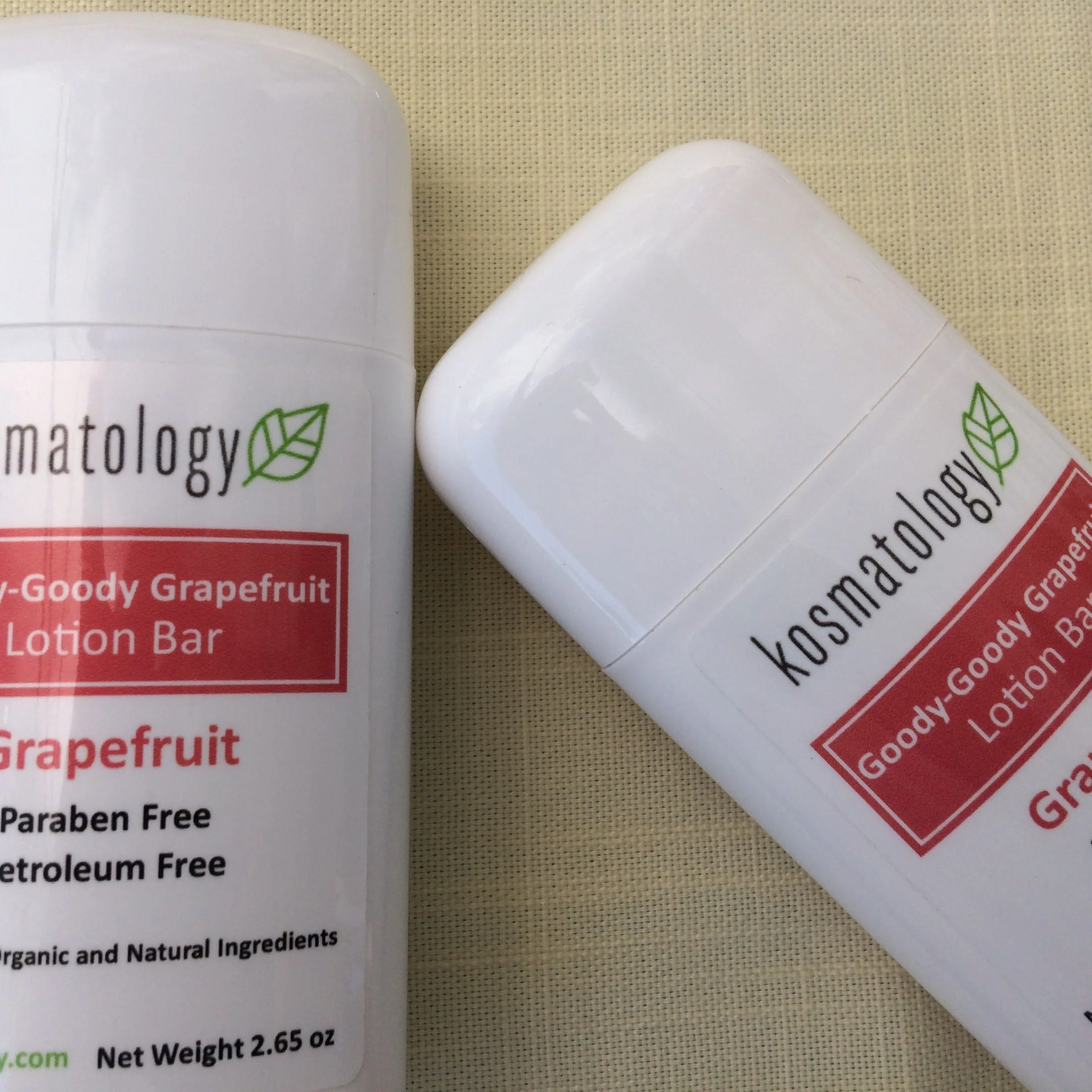
Lotion bars are one of the most accessible ways to incorporate waterless skincare into your routine.
Made with nourishing ingredients like plant oils, butters, and waxes, lotion bars melt on contact with the skin to deliver deep hydration without fillers.
👉 Explore our lotion bars for dry and sensitive skin
They’re also:
Travel-friendly (no spills or leaks)
Long-lasting
Easy to apply
For those with sensitivities to essential oils or fragrance, a gentle option like our Free & Clear Lotion Bar for sensitive skin can provide hydration without unnecessary additives.
How to Use Waterless Skincare Products
Using waterless products is simple:
Apply to clean, slightly warm, damp skin (like after just showering)
Allow the warmth of your skin to soften the product
Glide or massage into the skin
Use sparingly: these formulas are concentrated
For best results, pair with a gentle cleanser that won’t strip your skin. (Discover our foaming hand soaps for sensitive skin)
Common Misconceptions About Waterless Skincare
“It feels too heavy.”
Using a small amount allows for effective hydration without heaviness.
“It won’t absorb well.”
Plant oils and butters are readily absorbed and help support the skin barrier.
“It’s only for very dry skin.”
Waterless products can benefit many skin types especially those seeking simpler formulations.
The Bottom Line
Waterless skincare offers a more concentrated, simplified approach to caring for your skin. By removing water as a filler, these products focus on delivering nourishing ingredients in their most effective form.
If you’re looking to reduce irritation, simplify your routine, and support your skin barrier, waterless skincare is a thoughtful place to start.
Frequently Asked Questions About Waterless Skincare
-
A: Waterless skincare is a great option for sensitive skin because it often contains fewer preservatives and more concentrated, skin-supportive ingredients.
-
A: Not necessarily. When used in small amounts, high-quality oils and butters absorb well into the skin and help support the skin barrier without feeling heavy.
-
A: Lotion bars can be even more effective because they are concentrated and do not contain water as a filler, allowing them to deliver deeper hydration.
-
A: Many people with eczema prefer waterless products because they are often simpler and contain fewer potential irritants. Choosing fragrance-free options is especially important.
-
A: Because they are concentrated, waterless products typically last longer than traditional lotions and require only a small amount per use.

About the Author
Janis Covey, PharmD
Compounding pharmacist and founder of Kosmatology, Janis formulates gentle skincare designed for sensitive skin and families. Her work focuses on ingredient transparency, skin barrier support, and simple routines that help skin stay comfortable and healthy. Learn more about her approach to skincare on the About Kosmatology page.
Related Reading
You may also enjoy:
• Why Fragrance in Hand Soap Can Irritate Sensitive Skin
• Why Fragrance-Free Skincare Matters
• The Ultimate Guide to Skin Barrier Repair
• Eczema and Sensitive Skin: A Personal Story
• Why Does Hand Soap Dry Out Your Hands?