
Eczema: A Very Personal Journey into Gentle Skincare

Eczema, also known as atopic dermatitis, is one of the most common chronic skin conditions, particularly in infants and young children with sensitive skin.
Eczema isn’t just something I’ve researched—it’s something my family has lived through.
Considering that my daughter’s struggle with eczema ultimately led me to develop gentle, clean skincare products and later start Kosmatology, it feels only fitting to share our story.
The Beginning of Our Eczema Journey
In April of 2010, my youngest daughter was just three months old when she began developing red, irritated patches on her skin. Like many parents, I turned to our pediatrician for help. We were prescribed steroid creams, which are often part of standard eczema care, but I still felt there had to be more we could do to support her skin.
As a compounding pharmacist, I was used to researching ingredients, formulations, and how the skin barrier works. So I began digging deeper into eczema, its triggers, and how everyday products might affect sensitive skin.
That research changed everything.
If you’d like a deeper explanation of how sensitive skin functions and how to choose gentle skincare, our Complete Sensitive Skin Guide explores the science behind the skin barrier and irritation triggers.
What Causes Eczema and Why Does It Flare Up?
Eczema can have many causes, but two factors often play a role:
A reactive immune response
A weakened skin barrier
When the skin barrier is compromised, moisture escapes more easily, and irritants can penetrate the skin more readily. This can lead to dryness, irritation, and increased sensitivity.
If you want a deeper explanation of how cleansing products affect eczema-prone skin, you may find this guide helpful:
Why Your Body Wash Matters for Eczema
Common Eczema Triggers
One of the most important things I learned was how many everyday products can trigger or worsen eczema symptoms.
Some common triggers include:
Soaps and cleansers that strip natural oils
Household cleaners
Synthetic fragrances
Certain preservatives
Wool or synthetic fabrics
Harsh detergents or foaming agents
Fragrance, in particular, can be a trigger for many people. If you’d like to learn more about why fragrance-free products matter, you can read:
The Beauty of Unscented: Why Fragrance-Free Skincare Matters
Looking at Our Daily Routine
As I learned more, I began examining the products we were using at home.
One thing that stood out was how many lotions—even gentle or organic ones—contained alcohol or large amounts of water. These formulas can feel light and pleasant at first, but they often evaporate quickly and may not provide the long-lasting barrier that very dry or eczema-prone skin needs.
I also started paying closer attention to clothing. Synthetic fabrics can trap heat and moisture against the skin, which may increase irritation. Choosing breathable fabrics like cotton can sometimes make a noticeable difference for sensitive skin.
Creating Something Better
I realized that what my daughter’s skin needed most was:
Deep nourishment
A protective barrier
Minimal ingredients
No alcohol or unnecessary additives
I began experimenting with thicker, balm-like formulas. The early versions helped, but they still didn’t provide the lasting protection I was looking for.
That’s when the idea of a lotion bar came to life.
By removing water from the formula and using nourishing oils and plant waxes, I was able to create a product that formed a gentle, protective barrier to support the skin barrier and reduce moisture loss while helping lock in moisture. Lotion bars can be especially helpful for people with eczema or very dry skin because they provide long-lasting moisture without the preservatives or alcohol often found in traditional lotions.
If you'd like to learn more about how lotion bars support eczema-prone skin, you can read:
Why Lotion Bars Are the Best Moisturizer for Kids
Why Skin Barrier Support Matters for Eczema
For people with eczema or very dry skin, maintaining the skin barrier is key. When the skin stays moisturized and protected, it often becomes more comfortable and less reactive to everyday irritants. If you'd like to understand more about why dryness contributes to skin irritation, our article Understanding Dry Skin explains how moisture loss affects the skin barrier.
Ingredients that help support the skin barrier include:
Plant-based oils
Butters rich in fatty acids
Gentle waxes that help seal in moisture
Simple, minimal formulas are often the most effective for sensitive skin.
The Moment Everything Changed
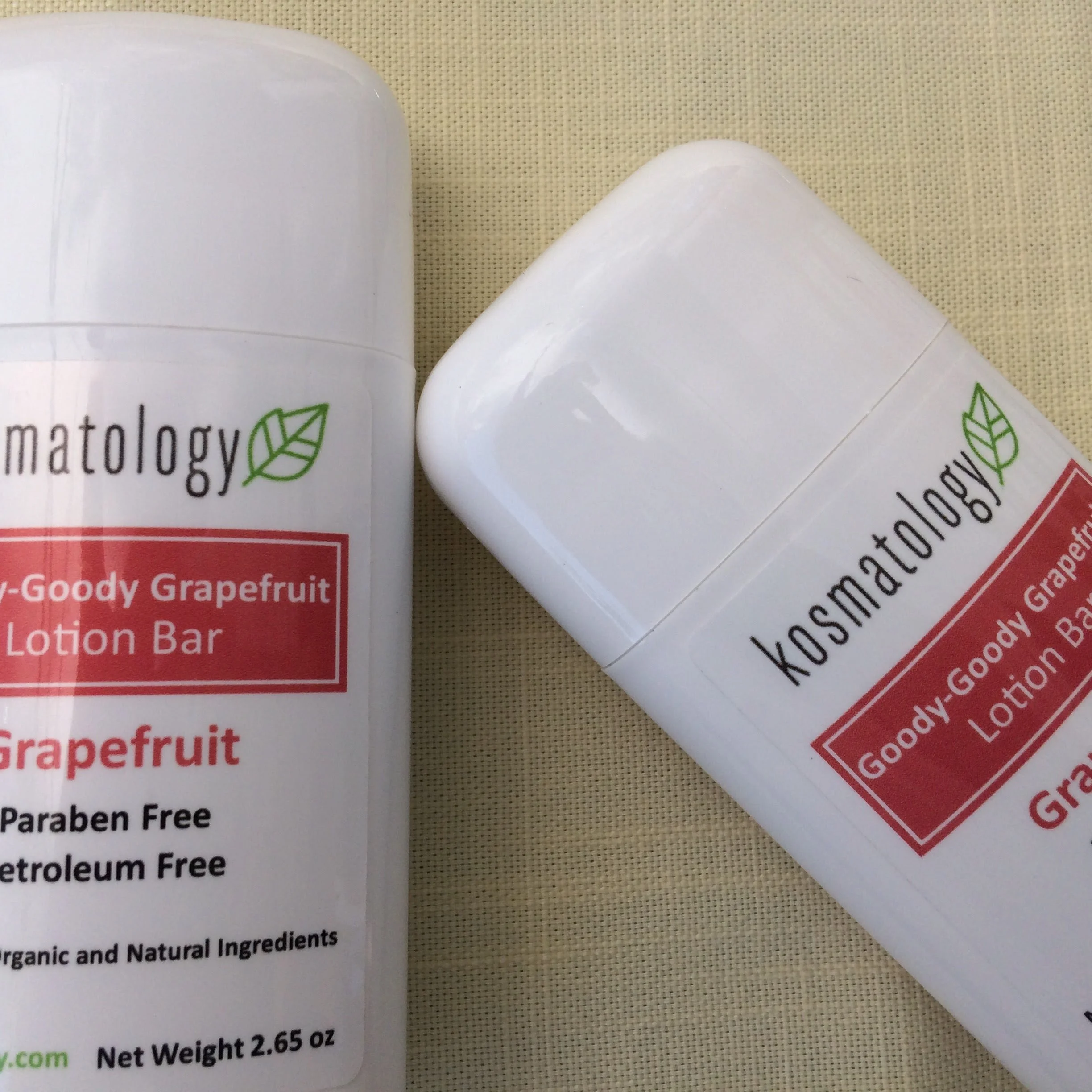
I still remember how emotional it felt to see my daughter’s skin begin to improve once we switched to gentler products and barrier-supporting formulas. Even her pediatrician noticed the difference.
Friends and family began asking to try the lotion bars for their own children, and many shared similar experiences of improved comfort and hydration.
That was the beginning of what would eventually become Kosmatology.
Gentle Cleansing Matters Too
Moisturizing is important, but cleansing gently is just as critical for eczema-prone skin. Harsh detergents and strong fragrances can strip the skin and increase dryness.
If you’re looking for a gentle cleanser designed for frequent washing and sensitive skin, you can explore our body wash here:
You may also find this helpful guide:
Best Body Wash for Eczema, Dermatitis, and Sensitive Skin: A Complete Guide
What I Wish I Had Known Earlier
Looking back, there are a few things I wish someone had told me sooner:
Simpler formulas are often better for sensitive skin
Fragrance can be a trigger for many people
Moisture retention is just as important as cleansing
Small daily habits can make a big difference over time
Eczema can feel overwhelming, especially when it affects a child, but gentle routines and thoughtful product choices can help support skin comfort.
Final Thoughts
Eczema was the reason I began formulating skincare in the first place. What started as a search for relief for my daughter turned into a deeper understanding of how sensitive skin works—and ultimately into Kosmatology.
If you or someone in your family struggles with eczema or sensitive skin, know that you’re not alone. Sometimes the smallest changes—gentler soap, fewer ingredients, more moisture—can make the biggest difference.
Frequently Asked Questions About Eczema and Sensitive Skin
-
A: Eczema flare-ups can be triggered by environmental allergens, harsh soaps, fragrance, dry air, stress, and irritants that weaken the skin barrier.
-
A: Yes. Many people with eczema have a compromised skin barrier, which allows moisture to escape and irritants to penetrate the skin more easily.
-
A: Dermatologists often recommend fragrance-free cleansers and barrier-supporting moisturizers with simple ingredients to reduce irritation.
-
A: For some people, synthetic fragrance and essential oils can irritate sensitive skin and worsen eczema symptoms.
-
A: Using gentle cleansers, avoiding harsh ingredients, moisturizing regularly, and minimizing exposure to triggers can help maintain the skin barrier.

About the Author
Janis Covey, PharmD
Compounding pharmacist and founder of Kosmatology, Janis formulates gentle skincare designed for sensitive skin and families. Her work focuses on ingredient transparency, skin barrier support, and simple routines that help skin stay comfortable and healthy. Learn more about her approach to skincare on the About Kosmatology page.
Related Reading
• The Complete Sensitive Skin Guide: How to Choose Gentle Skincare
• Why Fragrance-Free Skincare Matters for Sensitive Skin
• How Stress Impacts Eczema and What You Can Do About It
• Understanding Dry Skin: Causes and Treatments
• Best Body Wash for Eczema, Dermatitis, and Sensitive Skin