
Why Harsh Acne Products Can Make Breakouts Worse
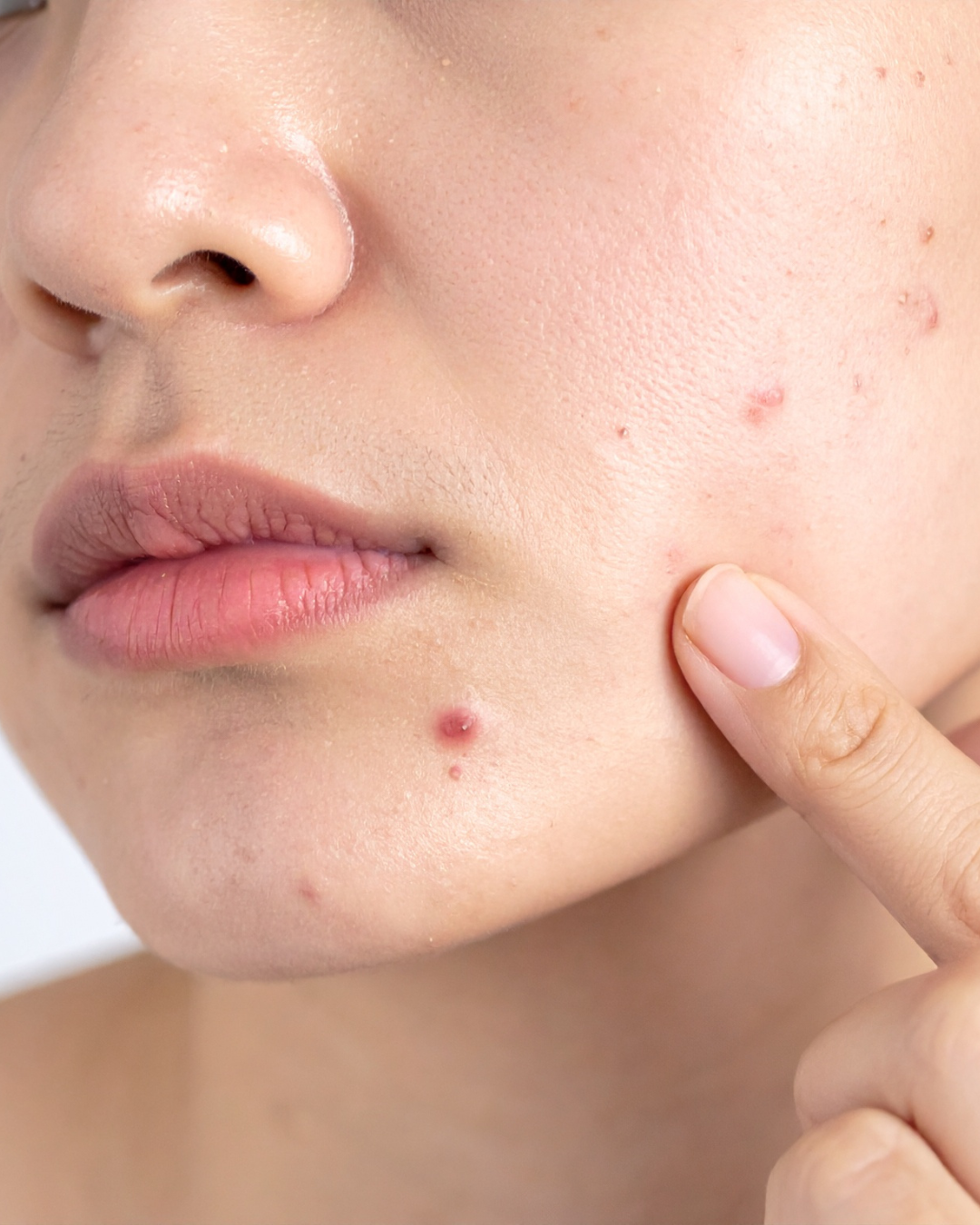
When acne breakouts rear their ugly head, the instinct is often to fight them as aggressively as possible. Many of us grew up believing that acne-prone skin needs to be scrubbed, dried out, and stripped of its natural oils completely. So it’s easy to gravitate toward strong cleansers, harsh toners, exfoliants, and spot treatments all at once in hopes of clearing skin quickly.
But acne-prone skin is often already irritated and inflamed, and in many cases, overly harsh skincare can make things worse instead of better.
Skin that feels tight, burning, flaky, or overly dry is usually not balanced skin. In fact, over-stripping the skin barrier can sometimes increase irritation and leave skin feeling even more reactive. A gentler approach focused on supporting the skin rather than attacking it is often easier for acne-prone skin to tolerate and maintain over time.
Acne-Prone Skin Still Needs a Healthy Skin Barrier
One of the biggest misconceptions about acne is that oily or breakout-prone skin does not need moisture but that is false.
For years, many acne routines focused on removing as much oil from the skin as possible in hopes of creating a clearer complexion. But when the skin is repeatedly depleted of its natural oils, known as sebum, it can disrupt the skin’s natural balance. In response, skin may begin producing even more oil in an attempt to compensate. This can create a frustrating cycle where skin feels oily, irritated, dehydrated, and more prone to breakouts all at the same time.
In reality, supporting the skin barrier is one of the most important things you can do for acne-prone skin.
Your skin barrier helps:
retain moisture
protect against irritation
support healing
maintain balance
When the barrier becomes damaged from overly aggressive skincare, skin often becomes:
irritated
inflamed
dehydrated
more reactive
This irritation can make breakouts appear worse while also leaving skin feeling sensitive and uncomfortable.
Our Guide to Skin Barrier Repair explains how the skin barrier supports overall skin health and why protecting it matters.
Signs Your Acne Routine May Be Too Harsh
Sometimes the signs of an overly aggressive skincare routine are easy to mistake for the acne itself.
When the skin barrier becomes stressed from too many harsh products, skin may start to feel:
tight after washing
flaky or peeling
stinging or burning
red or irritated
oily yet dehydrated
These symptoms are often signs that skin needs more balance and barrier support rather than stronger products or additional active ingredients.
Why Simpler Skincare Routines Often Work Better
When dealing with breakouts, it can be tempting to try multiple products at once in hopes of seeing faster results. But more products do not always mean better results. Layering too many active ingredients or constantly switching routines can increase irritation and make it harder to identify the products that are working and understand what your skin actually needs.
A simple routine focused on:
gentle cleansing
consistent moisture
fewer unnecessary ingredients
makes it easier for acne-prone skin to positively react to and maintain clear skin and a strong skin barrier long term.
Choosing Gentle Cleansers for Acne-Prone Skin
Cleansing is important for acne-prone skin, but harsher cleansing is not necessarily better cleansing.
Look for cleansers that:
remove impurities without stripping the skin
avoid overly harsh surfactants
support the skin barrier
Many people with oily or breakout-prone skin prefer refreshing, lightweight formulas that leave skin feeling clean without that overly dry or tight feeling afterward.
Our Lemongrass Face Wash was created with this balance in mind and are especially popular among those with oilier or acne-prone skin types.
Moisture Still Matters
Even acne-prone skin needs moisture.
Skipping moisturizer entirely can sometimes increase dehydration and irritation, especially when using active skincare products. The goal is not to coat the skin in heavy products—it’s to support the skin barrier with lightweight moisture so skin can function properly and maintain its balance.
Our Lemongrass Facial Moisturizer was designed with acne-prone and oily skin types in mind using lightweight botanical oils that help nourish and balance skin without leaving behind a heavy or greasy feel.
Acne and Sensitive Skin Often Overlap
Many people with acne-prone skin also have sensitive or reactive skin, which can make aggressive skincare even more problematic.
In these cases, harsh products may lead to:
redness
irritation
increased sensitivity
discomfort
Our Complete Sensitive Skin Guide explains how to support reactive skin while keeping routines simple and consistent.
A Gentler Approach to Acne-Prone Skin
Acne-prone skin does not necessarily need stronger products—it often needs more balanced care. Supporting the skin barrier, avoiding unnecessary irritation, and simplifying your routine can help skin feel calmer, healthier, and more comfortable over time.
If you’re looking for a gentler approach to skincare, explore our Lemongrass skincare collection designed for oily and acne-prone skin types.
Frequently Asked Questions About Acne-Prone Skin
-
A: In some cases, yes. Overly aggressive products can irritate the skin barrier, increase inflammation, and leave skin overly dry or reactive.
-
A: Tightness after cleansing is often a sign that the skin has been over-stripped and may be losing too much moisture.
-
A: Yes. All skin types need moisture to help support a healthy skin barrier, including oily and acne-prone skin.
-
A: Aggressive scrubbing can irritate the skin and worsen inflammation. Gentle cleansing is usually better tolerated.
-
A: Many people benefit from a simple routine focused on gentle cleansing, consistent moisture, and avoiding unnecessary irritation.

About the Author
Janis Covey, PharmD
Compounding pharmacist and founder of Kosmatology, Janis formulates gentle skincare designed for sensitive skin and families. Her work focuses on ingredient transparency, skin barrier support, and simple routines that help skin stay comfortable and healthy. Learn more about her approach to skincare on the About Kosmatology page.
Related Reading
• The Complete Sensitive Skin Guide
• Skin Barrier Repair: Why It Matters
• Understanding Dry Skin
• Face Washing 101: Are You Washing Your Face Correctly?
• Skincare for Teens and Tweens: A Simple Routine for Healthy Skin