
Why You Don't Need Antibacterial Soap
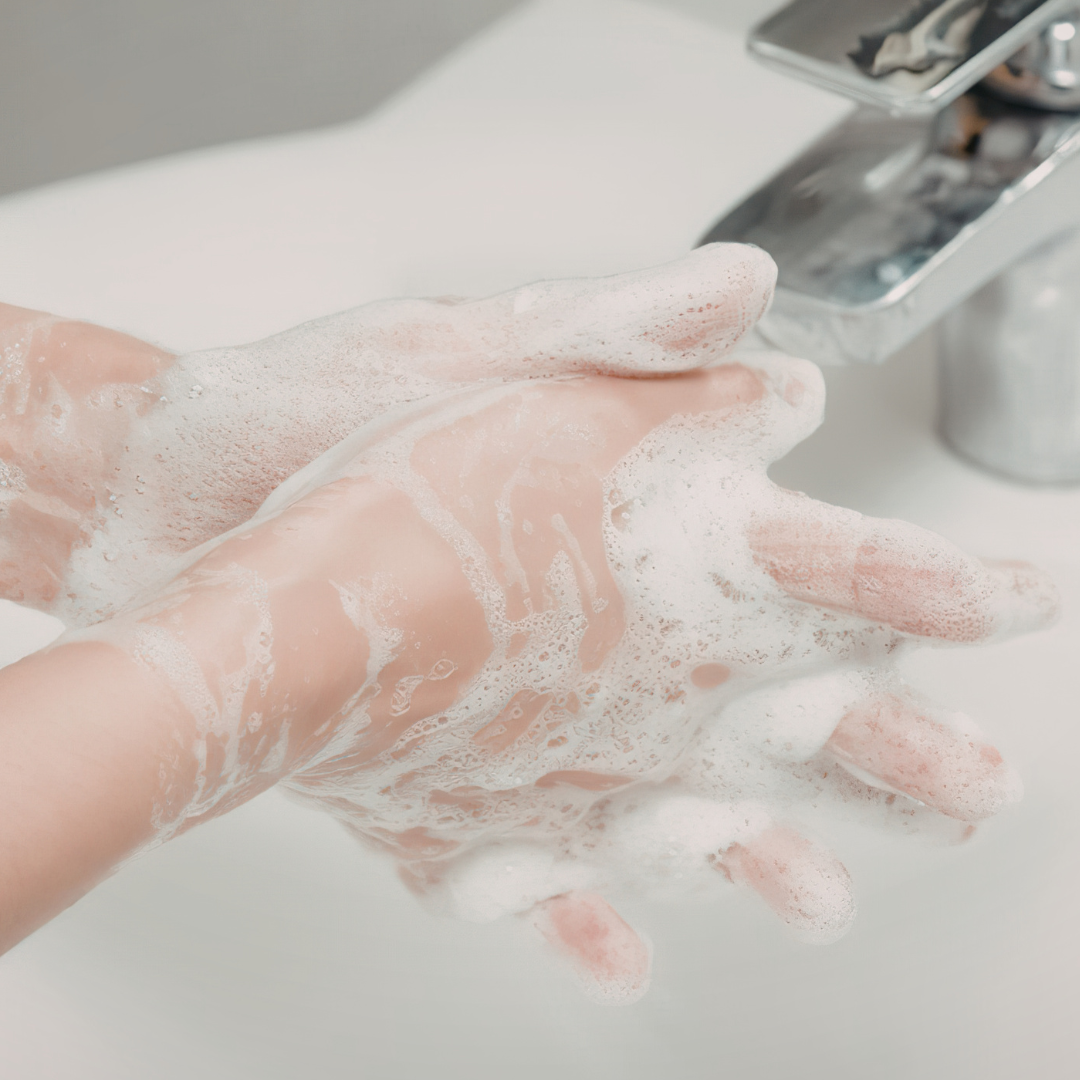
Walk down the hand soap aisle and you'll see plenty of products marketed as "antibacterial." It's easy to assume these products must be better at keeping your family healthy than regular soap.
But according to the FDA, that's not necessarily true.
In a consumer update, the FDA states that there is not enough evidence to show that over-the-counter antibacterial soaps are more effective at preventing illness than washing with plain soap and water.
In other words, when it comes to everyday handwashing, plain soap works.
The FDA's Position on Antibacterial Soap
For years, antibacterial soaps were marketed as a superior way to kill germs and reduce illness. However, the FDA reviewed the available evidence and determined that manufacturers had not demonstrated that antibacterial soaps are more effective than plain soap and water for preventing the spread of disease in everyday settings.
The FDA continues to recommend washing with plain soap and water as one of the most effective ways to remove germs and reduce the spread of illness.
Antibacterial Soap Isn't Better for You or the Environment
Another reason antibacterial soaps have come under scrutiny is their environmental impact.
In 2016, the FDA banned several antibacterial ingredients, including triclosan and triclocarban, from consumer hand soaps after manufacturers failed to demonstrate that they were both safe for long-term use and more effective than plain soap and water.
Research has shown that these ingredients can persist in the environment long after they are washed down the drain. They can survive wastewater treatment processes, accumulate in waterways, and may be harmful to algae, fish, and other aquatic organisms. Scientists have also raised concerns about their potential role in promoting antibiotic-resistant bacteria and disrupting hormone systems in wildlife.
The good news is that you don't need antibacterial soap to effectively wash your hands. Plain soap and water remain one of the most effective ways to remove germs, while avoiding the environmental concerns associated with antibacterial ingredients.
Sometimes the simplest choice is better for both your skin and the planet.
How Soap Actually Works
Many people assume soap must kill germs in order to be effective. In reality, soap works primarily by helping remove germs from the skin.
When you wash your hands:
Soap lifts dirt, oils, and microorganisms from the skin
Water helps rinse them away.
Friction from rubbing your hands together helps loosen contaminants.
That's why proper handwashing technique is just as important as the soap itself.
The Centers for Disease Control and Prevention (CDC) recommends washing your hands for at least 20 seconds, making sure to clean all surfaces of your hands, including between fingers and under nails.
More Isn't Always Better
As a pharmacist, one of the misconceptions I encounter most often is the idea that stronger products automatically work better.
When it comes to handwashing, the goal isn't to use the harshest cleanser possible. The goal is to effectively clean the skin while maintaining a healthy skin barrier.
Frequent handwashing is important, especially during cold and flu season, but overly harsh cleansers can leave hands feeling:
Dry
Tight
Irritated
Sensitive
When the skin barrier becomes compromised, hands may become more prone to discomfort, cracking, and irritation.
Healthy Skin Starts with a Healthy Skin Barrier
Your skin barrier plays an important role in:
Retaining moisture
Protecting against environmental irritants
Supporting overall skin health
Because most of us wash our hands many times each day, choosing a gentle soap can make a significant difference in how our skin feels.
A good hand soap should:
Clean effectively
Rinse easily
Support the skin barrier
Leave hands feeling comfortable after washing
Why We Choose Gentle Handwashing
At Kosmatology, we've always believed that effective cleansing shouldn't leave skin feeling stripped.
Our foaming hand soaps are made with plant-based ingredients and naturally occurring glycerin to help cleanse while supporting healthy skin. They're scented with organic essential oils rather than synthetic fragrances and are designed to be gentle enough for frequent use.
The goal isn't aggressive cleansing, it's balanced cleansing.
The Bottom Line
When it comes to everyday handwashing, you don't need antibacterial soap.
According to the FDA, plain soap and water remain one of the most effective ways to remove germs and help prevent illness.
For healthy handwashing habits:
✔ Wash your hands regularly
✔ Use plain soap and water
✔ Wash for at least 20 seconds
✔ Choose gentle cleansers that support the skin barrier
Sometimes the simplest solution really is the best one.
-
A: No. According to the FDA, there is not enough evidence to show that over-the-counter antibacterial soaps are more effective at preventing illness than washing with plain soap and water.
-
A: Soap helps lift dirt, oils, and microorganisms from the skin so they can be rinsed away with water. Proper handwashing technique and washing for at least 20 seconds are key.
-
A: In 2016, the FDA banned several antibacterial ingredients, including triclosan and triclocarban, from consumer hand soaps because manufacturers did not demonstrate that they were both safe for long-term use and more effective than plain soap and water.
-
A: Some antibacterial ingredients, including triclosan and triclocarban, can persist in the environment after being washed down the drain. Research has shown they may accumulate in waterways and potentially harm aquatic organisms.
-
A: Choose a gentle soap that cleans effectively without leaving skin feeling dry, tight, or irritated. Soaps that contain naturally occurring glycerin can help support the skin barrier during frequent washing.
-
A: Yes. Frequent handwashing, especially with harsh cleansers or very hot water, can contribute to dryness and irritation. Using a gentle soap and moisturizing afterward can help keep hands comfortable.
-
A: The CDC recommends washing your hands with soap and water for at least 20 seconds, making sure to clean all surfaces of the hands, including between the fingers and under the nails.
-
A: Yes. The FDA and CDC continue to recommend plain soap and water as one of the most effective ways to remove germs and help prevent the spread of illness.

About the Author
Janis Covey, PharmD
Compounding pharmacist and founder of Kosmatology, Janis formulates gentle skincare designed for sensitive skin and families. Her work focuses on ingredient transparency, skin barrier support, and simple routines that help skin stay comfortable and healthy. Learn more about her approach to skincare on the About Kosmatology page.
Related Reading
You may also enjoy:
• Why Does Hand Soap Dry Out Your Hands?
• Ingredients to Avoid in Hand Soap
• The Complete Sensitive Skin Guide
• What’s Really in Public Restroom Hand Soap (The Pink Stuff)?
• Why Fragrance-Free Skincare Matters