
What’s Really in Public Restroom Hand Soap (The Pink Stuff)?
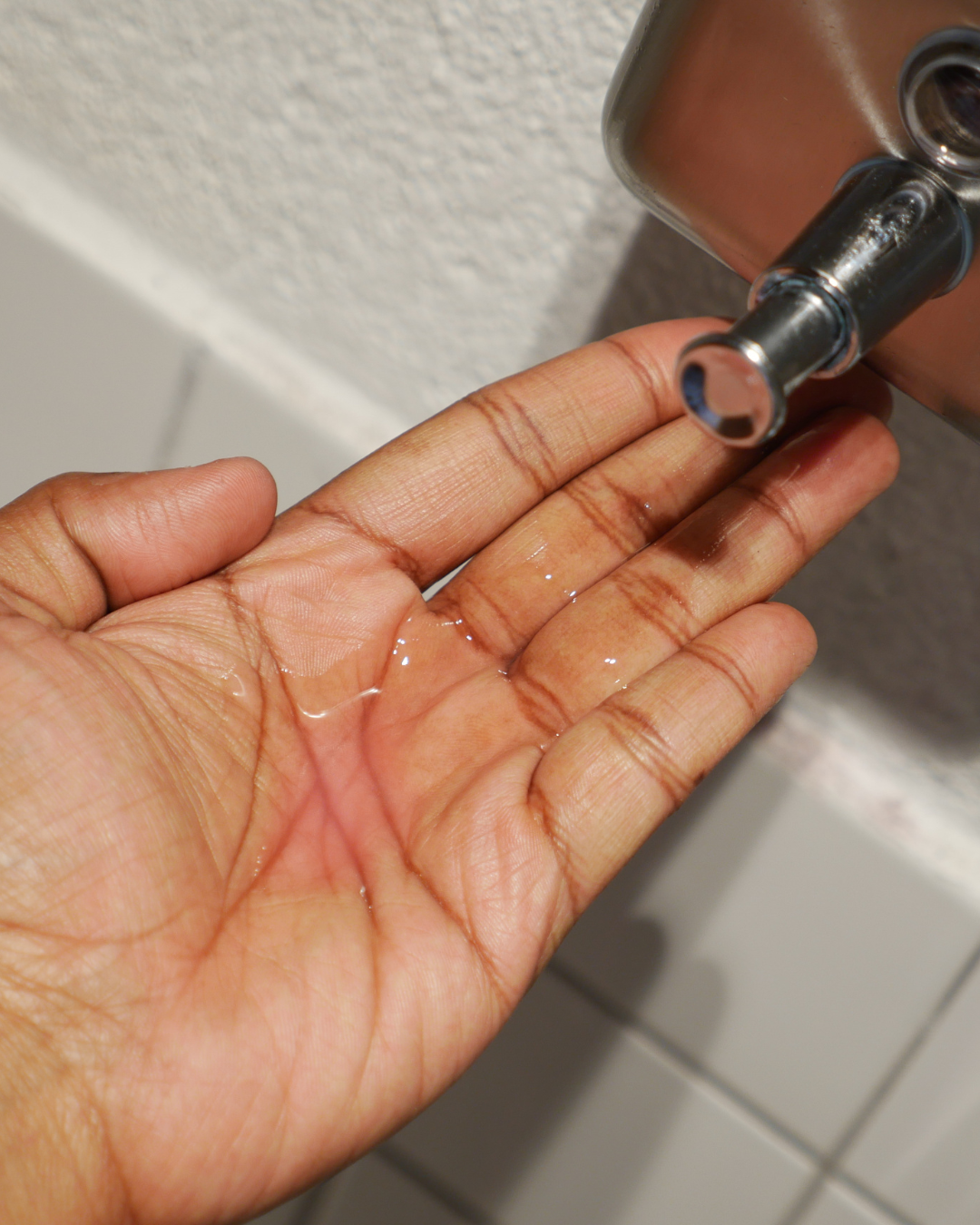
If you’ve ever washed your hands in a public restroom, you’ve likely encountered the familiar bright pink soap. It’s widely used in schools, offices, hospitals, and public facilities—but few people stop to consider what’s actually in it or how those ingredients affect skin health.
Public restroom hand soaps are formulated primarily for low cost, high volume, and long shelf life. Skin gentleness and ingredient transparency are often secondary concerns.
Common Ingredients in Pink Public Restroom Hand Soap
While formulas vary by manufacturer, many bulk commercial hand soaps share similar ingredient profiles:
Harsh Surfactants: Public restroom soaps often rely on strong surfactants designed to remove grease and debris quickly. While effective at cleaning, these ingredients can strip the skin’s natural oils, especially with frequent handwashing. This can lead to dryness, tightness, and irritation over time.
Synthetic Fragrance: The strong “clean” scent in pink soap typically comes from synthetic fragrance blends. Fragrance is one of the most common causes of contact irritation and allergic reactions, particularly for individuals with sensitive skin, eczema, or dermatitis. Learn more in our guide on why fragrance-free skincare matters.
Artificial Dyes: The bright pink color serves no functional purpose—it’s added for visual consistency and branding. Artificial dyes are unnecessary in hand soap and can be problematic for sensitive or compromised skin.
Preservatives for Long Shelf Life: Because bulk soaps are stored in large containers and may sit for extended periods, they often contain preservatives designed to maintain stability over time. Some preservatives can be irritating with repeated exposure, especially for those who wash their hands frequently.
Why Pink Public Restroom Soap Can Be Drying or Irritating
Handwashing is essential, especially in public spaces but repeated exposure to harsh ingredients can take a toll on the skin barrier. Many people notice that frequent use of public restroom soap leaves their hands feeling:
Dry or tight
Rough or flaky
Red or irritated
These effects are often more pronounced for people with sensitive skin, allergies, or conditions like eczema or contact dermatitis. If your skin reacts easily, our Sensitive Skin Guide explains how to support your skin barrier.
You Still Need to Wash Your Hands—But Ingredients Matter
Avoiding handwashing isn’t an option. Clean hands are one of the most effective ways to reduce the spread of illness. However, being mindful of what you wash with can make a meaningful difference, particularly if you wash your hands multiple times a day.

Choosing a gentler soap or carrying your own can help reduce unnecessary exposure to harsh surfactants, synthetic fragrance, and dyes. For a deeper breakdown of ingredient safety, read our ultimate guide to avoiding toxic ingredients in skincare.
A MADE SAFE® Certified Alternative
At Kosmatology, ingredient safety and transparency are central to everything we create. Our hand soaps are MADE SAFE® certified, meaning they are made without known toxic chemicals, endocrine disruptors, or ingredients known to harm human health.
MADE SAFE® certification goes beyond marketing claims, it involves a rigorous review of each ingredient for safety and long-term health impact.
Our travel soaps are designed for frequent handwashing and made with thoughtfully chosen ingredients without artificial dyes or unnecessary additives so you don’t have to rely on whatever happens to be in a public restroom dispenser.
Why Carry Your Own Hand Soap?
Carrying a travel-size hand soap allows you to:
Know exactly what ingredients are touching your skin
Avoid harsh dyes and heavy synthetic fragrance
Support skin health with frequent washing
Maintain hygiene without compromising comfort
Clean hands are essential especially in public spaces. But frequent washing doesn’t have to mean compromised skin.
If you wash your hands multiple times a day, being mindful of ingredients can help maintain comfort and protect your skin barrier over time.
Sometimes the smallest daily exposures, like the soap in a restroom dispenser — can make a noticeable difference.
Frequently Asked Questions About Pink Public Restroom Hand Soap
-
A: Most pink public restroom soaps contain strong surfactants, synthetic fragrance, artificial dye for color, and preservatives designed for long shelf life in high-traffic settings.
-
A: Many bulk commercial soaps use stronger cleansing agents that can strip the skin’s natural oils, especially with frequent handwashing.
-
A: These soaps are approved for commercial use and effective for cleaning. However, individuals with sensitive skin, eczema, or fragrance intolerance may find them drying or irritating.
-
A: No. Handwashing is essential for hygiene. If you have sensitive skin, you may choose to moisturize afterward or carry a gentle alternative for frequent use.

About the Author
Janis Covey, PharmD
Compounding pharmacist and founder of Kosmatology, Janis formulates gentle skincare designed for sensitive skin and families. Her work focuses on ingredient transparency, skin barrier support, and simple routines that help skin stay comfortable and healthy. Learn more about her approach to skincare on the About Kosmatology page.
Related Reading
If you’re interested in ingredient transparency and protecting sensitive skin, you may also find these helpful:
• Why Fragrance-Free Skincare Matters for Sensitive Skin
• The Complete Sensitive Skin Guide: How to Choose Gentle Skincare
• What “Fragrance” Really Means in Skincare Products
• The Ultimate Guide to Avoiding Toxic Ingredients in Skincare
• The Ultimate Guide to Skin Barrier Repair
• Why Does Hand Soap Dry Out Your Hands?