


Plant-Based Protection for Time Outdoors
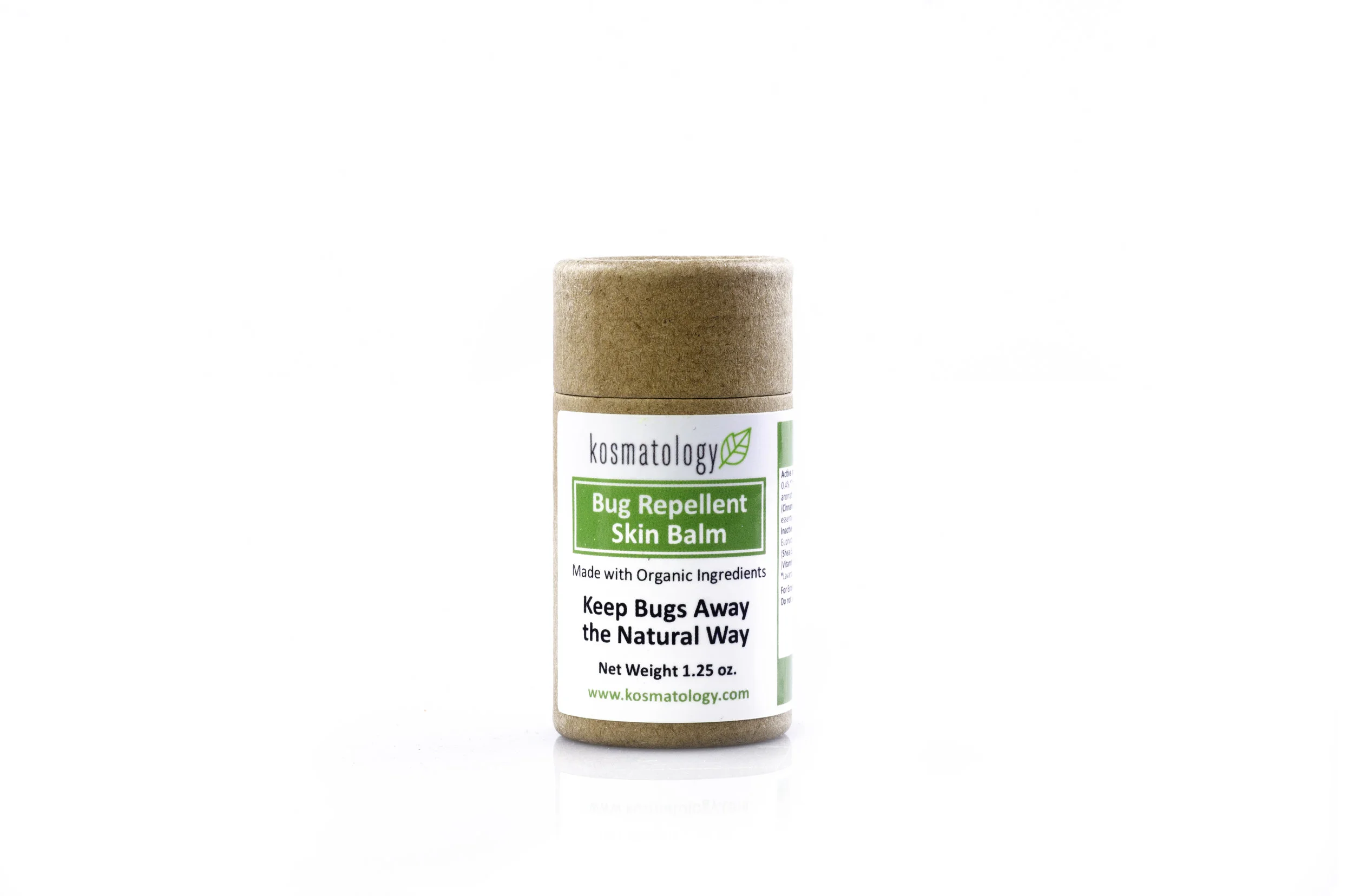
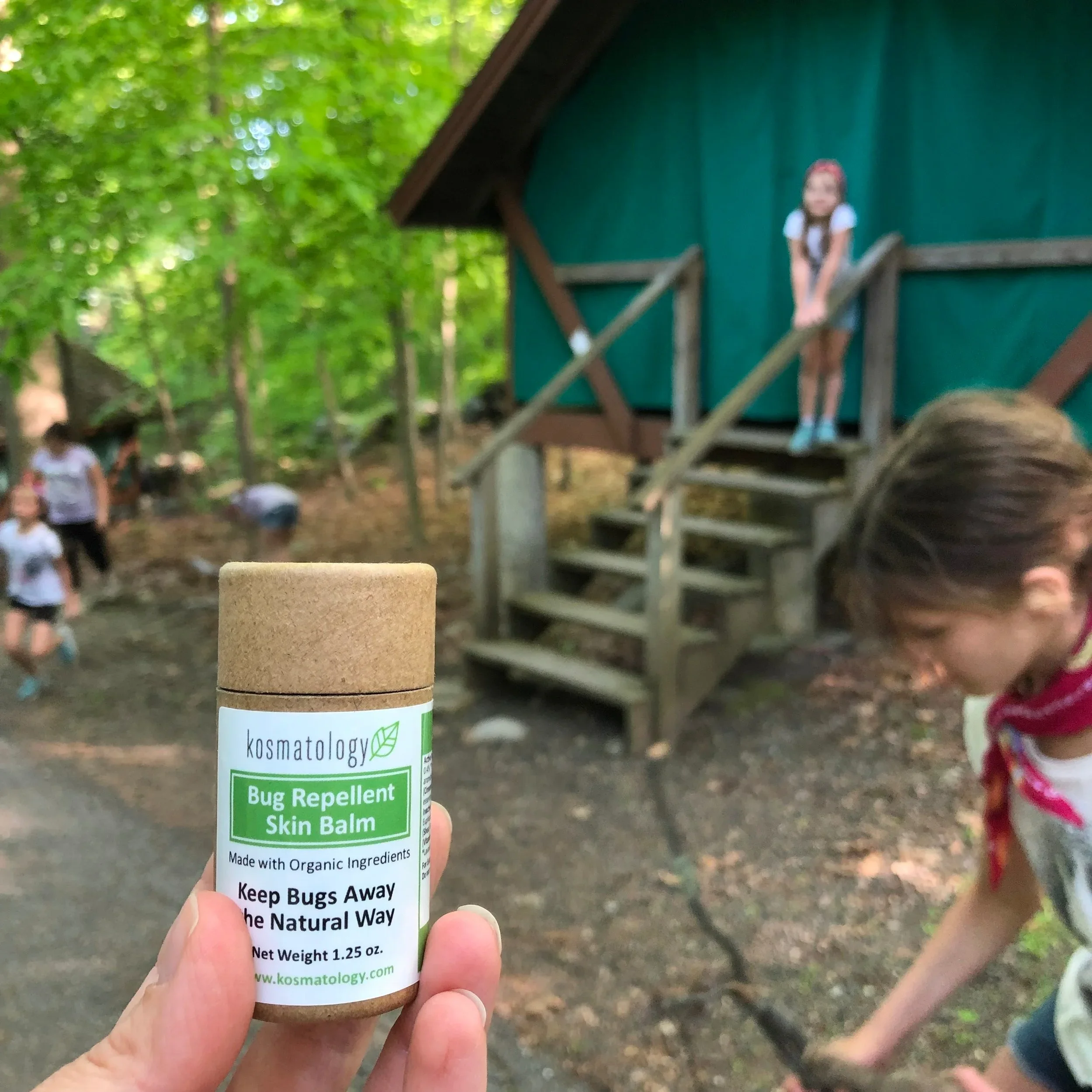
Kosmatology Natural Bug Repellent Balm is a solid, plant-based repellent designed to help keep mosquitoes and other insects away while remaining gentle on skin. Made with thoughtfully selected botanical oils, herbs, and essential oils, this balm glides smoothly onto the skin and leaves it feeling comfortable during outdoor activities.
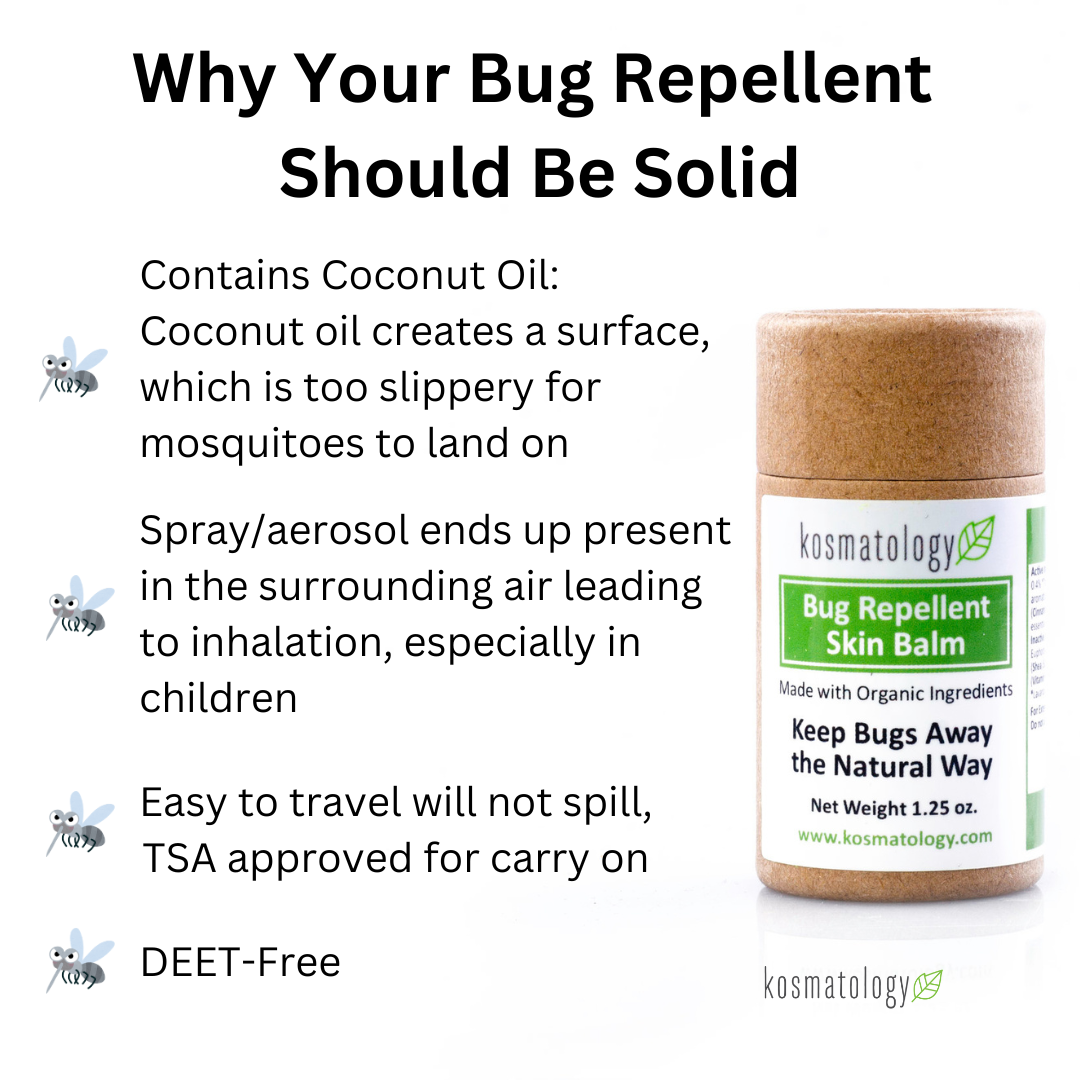
Unlike many conventional repellents, this natural mosquito repellent balm provides a mess-free alternative to sprays and aerosols. The solid format allows for easy, targeted application exactly where you need it—without harsh chemicals or synthetic fragrance.
Perfect for backyard evenings, camping trips, hikes, and everyday outdoor activities, this balm helps make skin less appealing to insects while supporting comfortable outdoor living.
Many families prefer balm-style repellents because they allow precise application without aerosol sprays, making them a convenient option when looking for a bug repellent for kids and families. Learn more about the reasoning behind the solid formula in our article Why We Made Our Bug Repellent Solid.
Why You’ll Love It
✔ Natural bug repellent in a solid balm form
✔ Made with plant-based oils, herbs, and essential oils
✔ No sprays or aerosols — balm format allows controlled, targeted application
✔ Helps make skin less appealing to mosquitoes and other insects
✔ Easy to apply exactly where needed
✔ Travel-friendly and TSA-approved
✔ Free from DEET, petroleum, and synthetic fragrance
✔ Family-friendly and convenient for everyday outdoor use
Why Choose a Natural Bug Repellent Balm
Many conventional bug repellents rely on strong chemicals and heavy fragrances. Kosmatology’s Natural Bug Repellent Balm offers a plant-based, DEET-free mosquito repellent option for people who prefer gentler alternatives when spending time outdoors, whether camping, hiking, gardening, or enjoying backyard evenings.
The solid balm format allows for targeted application on arms, legs, ankles, and other exposed areas—without overspray or sticky residue.
It’s a popular choice for families, hikers, gardeners, and anyone looking for a natural insect repellent that feels comfortable on the skin while helping keep bugs away.
A Natural Mosquito Repellent Option for Families
Many families prefer balm-style repellents because they allow more controlled application compared to sprays or aerosols. The solid format makes it easy to apply the repellent directly to exposed areas such as arms, legs, and ankles without overspray.
Because this plant-based balm contains botanical oils and herbs instead of synthetic chemicals, many people looking for natural mosquito repellent options for kids and families prefer balm-style formulas when spending time outdoors.
As with any skincare product, it’s always best to apply to a small area first and follow recommended usage instructions.
How This Natural Bug Repellent Works
This natural bug repellent balm uses coconut oil and plant-based waxes to create a smooth, conditioning layer on the skin. This layer helps moisturize the skin while forming a surface that insects are less likely to land on.
The botanical blend of herbs and essential oils provides a light, natural aroma that many people enjoy, while insects such as mosquitoes avoid these scents.
Together, these ingredients offer a plant-based, DEET-free mosquito repellent approach that helps make skin less appealing to insects without harsh chemicals or synthetic fragrance.
Customers often use our Natural Mosquito Repellent Balm for:
• backyard evenings
• camping and hiking trips
• gardening
• outdoor sports
• protecting kids during outdoor play
Ingredients & Botanical Blend
Kosmatology Natural Bug Repellent Balm is crafted with nourishing plant oils and waxes, including coconut oil, which helps the balm glide on smoothly and stay in place. The formula leaves skin feeling soft and conditioned rather than greasy.
The carefully selected herbs and essential oils provide a light, natural scent that many people prefer over traditional bug sprays, making it ideal for everyday outdoor use.
How to Use
Apply a small amount of Natural Bug Repellent Balm to exposed skin before heading outdoors. Reapply as needed, especially during extended time outside or physical activity.
Avoid contact with eyes. For external use only.
-
A: Many people prefer plant-based mosquito repellents made with botanical oils and herbs. Natural mosquito repellents often rely on aromatic plant ingredients that help make skin less appealing to insects while avoiding harsh chemicals commonly found in conventional sprays.
Kosmatology Natural Mosquito Repellent Balm uses a blend of botanical oils and herbs to create a plant-based repellent that is easy to apply and comfortable on the skin.
-
A: This is a solid natural bug repellent balm that applies directly to skin—no sprays or aerosols.
-
A: No. It is made without DEET or synthetic fragrance.
-
A: Many families choose this natural bug repellent for its gentle, plant-based formula. Adult supervision and patch testing are recommended.
-
A; Yes. The solid balm format is TSA-friendly and easy to pack.
MADE WITH ORGANIC INGREDIENTS
Active Ingredients:
Organic Rosmarinus officinalis (Rosemary): 1.8%
Organic Thymus vulgaris (Thyme): 0.4%
Organic Syzygium aromaticum (Clove): 0.45%
Organic Cinnamomum verum (Cinnamon): 0.05%
Organic Pelargonium graveolens (Rose Geranium) essential oil: 0.2%
Inactive Ingredients: Organic Cocos nucifera (Coconut) Oil, Euphorbia cerifera (Candelilla) Wax, Organic Butyrospermum Parkii (Shea) Butter, Sambucus nigra Fruit Extract, Tocopherol (Vitamin E), Organic Citrus limon (Lemon) Essential Oil, Organic Lavandula angustifolia (Lavender) Essential Oil








Spending time outdoors in the warmer months often comes with an unwelcome side effect: bug bites. Mosquitoes, gnats, and other insects can leave behind itchy, swollen bumps that can be uncomfortable and irritating.
Many people search for natural remedies for bug bites because they want relief from itching without using harsh chemicals. Fortunately, there are several gentle remedies can help calm inflammation, reduce itching, and support the skin’s natural healing process.