
How Stress Impacts Eczema & What You Can Do About It
Eczema is more than just a skin condition—it’s a daily challenge that can be physically uncomfortable, emotionally draining, and deeply frustrating. As someone who has navigated this journey both professionally and personally, I understand the impact eczema can have on quality of life.
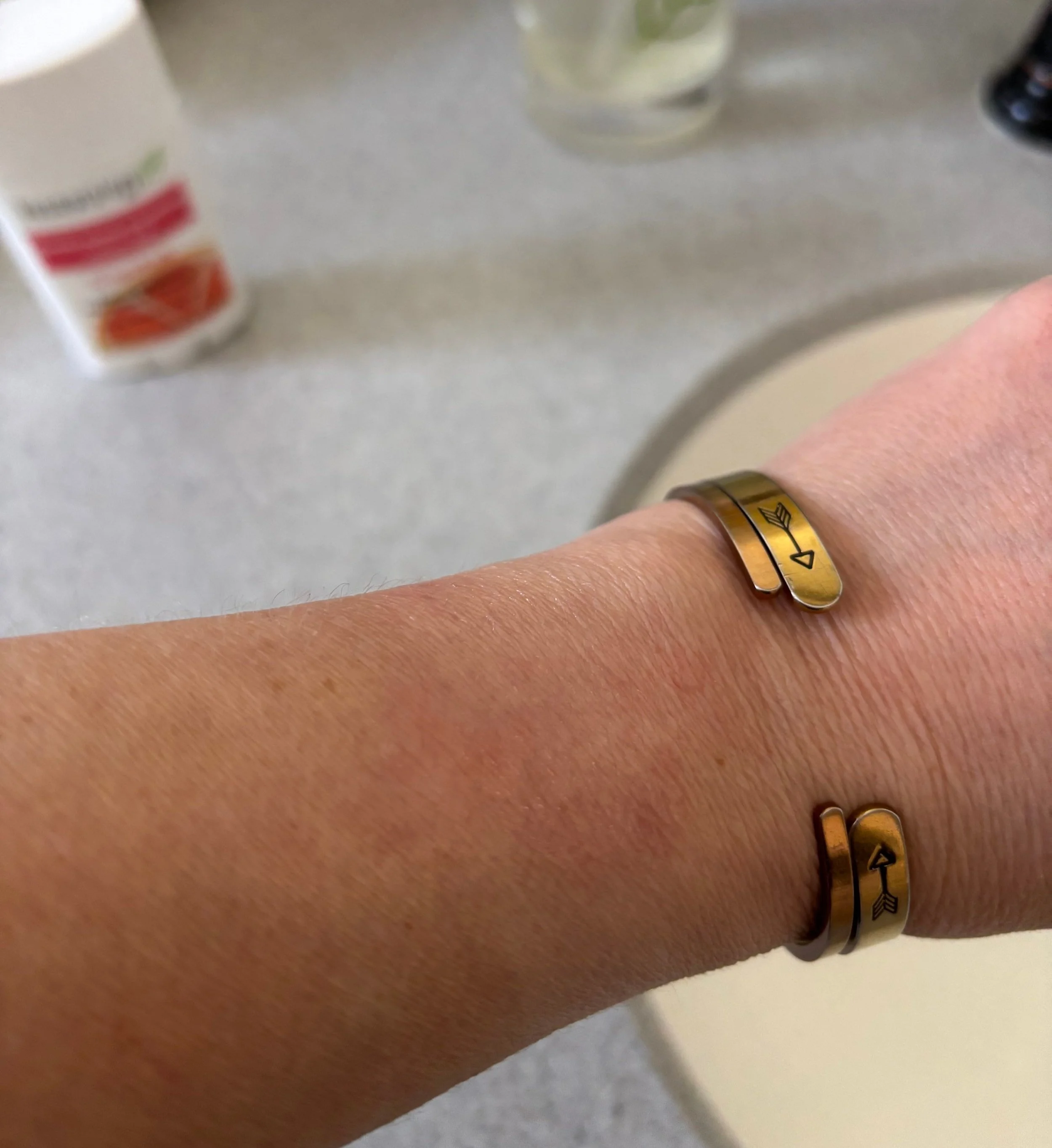
Through my experience as a compounding pharmacist and the founder of Kosmatology, I’ve dedicated my work to helping people manage eczema naturally. But beyond skincare, understanding stress as a trigger is crucial to breaking the cycle of flare-ups.
What Is Eczema & Why Does It Flare Up?
Eczema, or atopic dermatitis, is a chronic condition that causes inflammation, dryness, irritation, and intense itching. It affects approximately 31 million people in the U.S. alone, with many cases beginning in infancy or early childhood. While the exact cause is still being researched, eczema is believed to stem from:
Genetics – Some people inherit a gene mutation that weakens the skin barrier, making it more prone to moisture loss and irritation.
Environmental Triggers – Common culprits include allergens such as dust, pollen, and pet dander, along with irritants like soaps, fragrances, detergents, weather changes, and certain foods. Seasonal allergies can also worsen skin inflammation. Learn more in our guide to Natural Ways to Reduce Seasonal Allergy Symptoms.
An Overactive Immune System – The immune system mistakenly reacts to irritants, causing excessive inflammation that leads to redness, itching, and discomfort.
Common Triggers That Can Worsen Eczema
Eczema flare-ups are often influenced by individual triggers that irritate the skin or weaken the skin barrier. These triggers vary from person to person, which is why identifying your personal patterns can be helpful for long-term eczema management.
Common triggers may include environmental allergens, harsh soaps or detergents, fragranced skincare products, dry air, stress, and certain fabrics. When these triggers repeatedly irritate the skin barrier, inflammation and itching can become more difficult to control.
For example, many people with eczema find that fragranced skincare products worsen irritation. Choosing fragrance-free products can help reduce unnecessary stress on the skin barrier. Our article on Why Fragrance-Free Skincare Matters explains why removing fragrance is often one of the simplest ways to support sensitive skin.
Can Stress Cause Eczema Flare-Ups?
One of the most overlooked but powerful triggers for eczema is stress. If you've ever noticed your skin flaring up during busy work weeks, major life events, or after a restless night, you're not alone.
When we experience stress, our body enters "fight or flight" mode, releasing cortisol and other stress hormones. While this response is meant to protect us in short bursts, chronic stress weakens the immune system, increases inflammation, and disrupts the skin barrier. This leads to:
More frequent flare-ups
Increased itchiness and redness
Slower skin healing and higher infection risk
The cycle is relentless—eczema itself can cause stress, which in turn makes the condition worse. The physical discomfort, lack of sleep, and self-consciousness about appearance can lead to frustration, anxiety, and even depression.
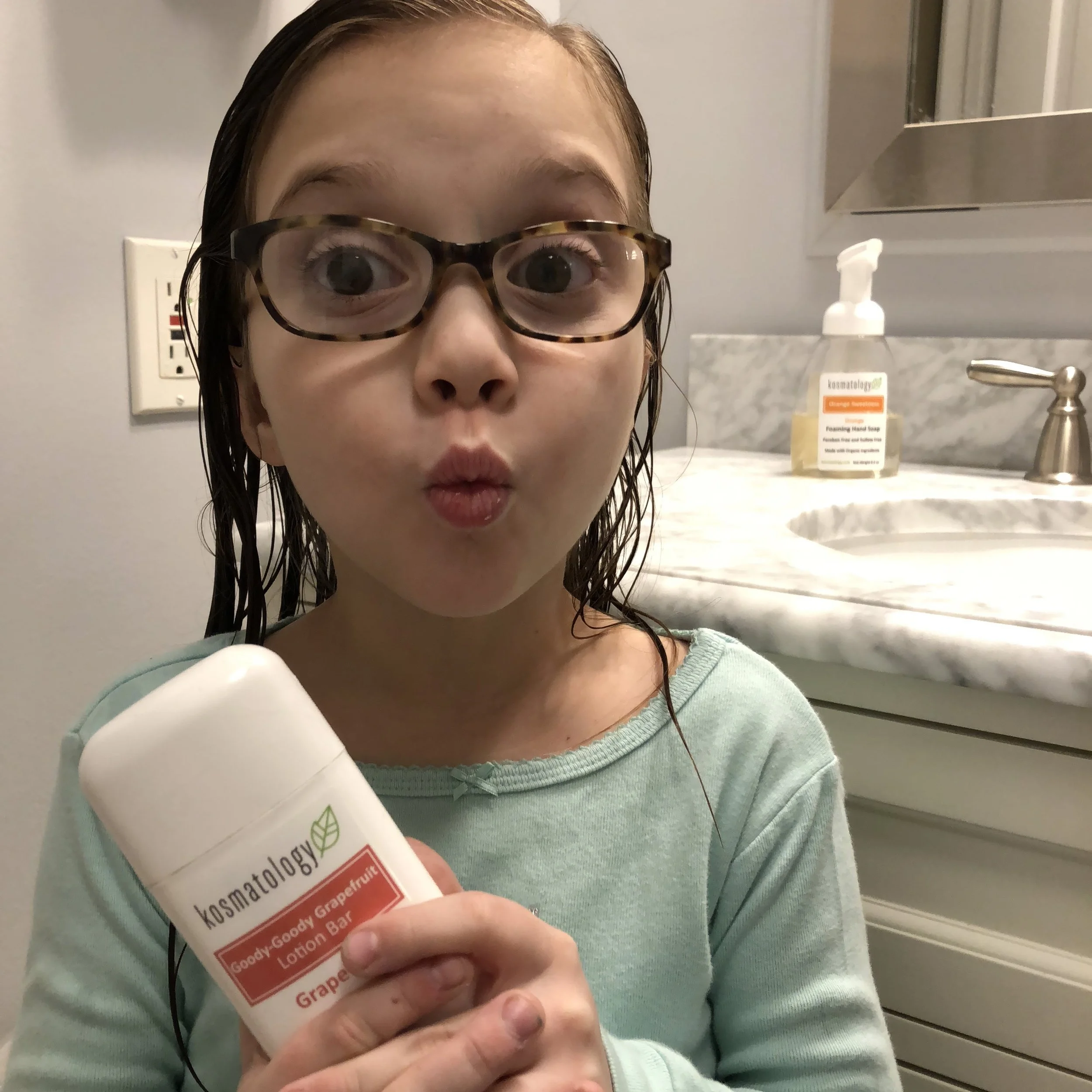
Cameron - age 5
A Personal Story: My Daughter’s Experience with Severe Eczema
My daughter, Cameron, suffered from severe eczema as an infant, and it took a toll on her well-being. Her delicate skin was constantly inflamed, unbearably itchy, and painful. The discomfort kept her awake at night, often crying and scratching until she worsened the irritation. During the day, she was noticeably fussy, unable to stay content for long periods.
This constant distress led to poor sleep, a weakened immune system, and even more flare-ups—a heartbreaking cycle that no parent wants to see their child go through. Witnessing her struggle firsthand fueled my passion for developing safe, natural eczema solutions that truly work.
One of the very first products I created was the Kosmatology Grapefruit Lotion Bar—a deeply hydrating, fragrance-free solid lotion made with organic shea butter, coconut oil, and olive oil. Unlike conventional lotions that contain irritating preservatives and water-based fillers, this lotion bar melts upon contact, locking in moisture and forming a protective barrier on the skin. It was specifically developed for Cameron’s eczema, and once I saw how well it worked for her, I knew it could help others, too.
5 Ways to Reduce Stress-Triggered Eczema Flare-Ups
While we can’t eliminate stress entirely, we can manage it in ways that benefit both our mind and skin. Here are five science-backed strategies to keep stress-related eczema at bay:
1. Practice Mindfulness & Meditation
Mindfulness, deep breathing, and meditation help reduce cortisol levels, calming both the nervous system and the skin. Even just 5-10 minutes of deep breathing or guided meditation can make a difference.
2. Incorporate Gentle Movement
Exercise isn’t just great for overall health—it also lowers stress hormones and boosts circulation, which can improve skin healing. Activities like yoga, stretching, and walking are especially beneficial for those with eczema.
3. Prioritize a Relaxing Bedtime Routine
Since the skin repairs itself overnight, getting 7-9 hours of quality sleep is essential. A nighttime routine that includes a warm bath with eczema-safe products and a hydrating lotion bar like our Grapefruit Lotion Bar can help lock in moisture and prevent overnight flare-ups.
4. Express Your Emotions
Journaling or talking to a therapist can be powerful tools for managing stress. Bottling up emotions can contribute to physical tension and inflammation, both of which can exacerbate eczema.
5. Carve Out Time for Self-Care
Self-care isn’t a luxury—it’s a necessity. Whether it’s reading, listening to music, or pampering your skin with nourishing products, taking moments for yourself can help balance stress levels and promote healing.
Lifestyle Adjustments for Eczema Management
In addition to stress management, making small lifestyle changes can make a big difference in preventing flare-ups:
Sleep Matters – Use breathable fabrics, fragrance-free detergents, and cotton gloves at night to prevent scratching.
Watch Your Diet – Keep a food journal to identify potential triggers like dairy, gluten, or processed foods.
Find Your Support System – Connecting with eczema support groups or online communities can provide valuable tips and emotional encouragement.
Daily Skincare Tips for Managing Eczema
Beyond stress reduction and lifestyle tweaks, a solid skincare routine is key to keeping eczema under control:
1. Build a Barrier-Strengthening Skincare Routine
Use gentle, fragrance-free cleansers for both face and hands, including a hand soap formulated for sensitive skin to prevent dryness from frequent washing. Our article on Why Fragrance-Free Skincare Matters explains why removing fragrance is one of the simplest ways to reduce irritation for sensitive or eczema-prone skin.
Apply barrier-supporting moisturizers designed for sensitive or eczema-prone skin, such as lotion bars for dry and eczema-prone skin like the Kosmatology Grapefruit Lotion Bar, immediately after bathing. Applying moisturizer while skin is still slightly damp helps lock in hydration and can help reduce itching associated with eczema flare-ups by supporting the skin’s natural barrier.
Avoid products with parabens, alcohol, or artificial preservatives
2. Adjust Your Environment
Use an air purifier to reduce indoor allergens
Keep a humidifier in dry weather to maintain skin hydration
Choose soft, breathable clothing (avoid wool & synthetic fabrics)
3. Seek Professional Guidance
Eczema varies from person to person, so consulting a dermatologist, allergist, or pharmacist can help tailor your skincare routine and treatment plan. An allergist can also test for hidden triggers that might be worsening your symptoms.
Final Thoughts
Managing eczema requires a multi-faceted approach—it’s not just about what you put on your skin, but also how you manage stress, sleep, and lifestyle factors. By making small, consistent changes, you can take control of your eczema rather than letting it control you.
At Kosmatology, I’m passionate about providing clean, effective, plant-based skincare to help eczema sufferers feel comfortable and confident in their skin. If you’re looking for natural solutions, explore our eczema-friendly products—like the Grapefruit Lotion Bar.
Have you noticed stress impacting your eczema? Let’s chat in the comments below—I’d love to hear your experiences and tips!
Frequently Asked Questions About Stress and Eczema
-
A: Yes. Stress increases cortisol and inflammatory responses in the body, which can weaken the skin barrier and trigger eczema flare-ups.
-
A: Stress affects immune function and increases inflammation, both of which can worsen itching, redness, and irritation associated with eczema.
-
A: For many people, stress management techniques such as meditation, exercise, and improved sleep can help reduce flare-ups and improve overall skin health.
-
A: Helpful strategies include mindfulness meditation, regular exercise, journaling, breathing exercises, and maintaining a consistent sleep routine.
-
A: Dermatologists often recommend fragrance-free, barrier-supporting moisturizers with simple ingredients to reduce irritation and help maintain hydration.

About the Author
Janis Covey, PharmD
Compounding pharmacist and founder of Kosmatology, Janis formulates gentle skincare designed for sensitive skin and families. Her work focuses on ingredient transparency, skin barrier support, and simple routines that help skin stay comfortable and healthy. Learn more about her approach to skincare on the About Kosmatology page.
Related Reading
You may also enjoy:
• The Complete Sensitive Skin Guide: How to Choose Gentle Skincare
• Why Fragrance-Free Skincare Matters for Sensitive Skin
• Why Winter Makes Sensitive Skin Worse
• Understanding Dry Skin: Causes and Treatments