
KOSMATOLOGY BLOG
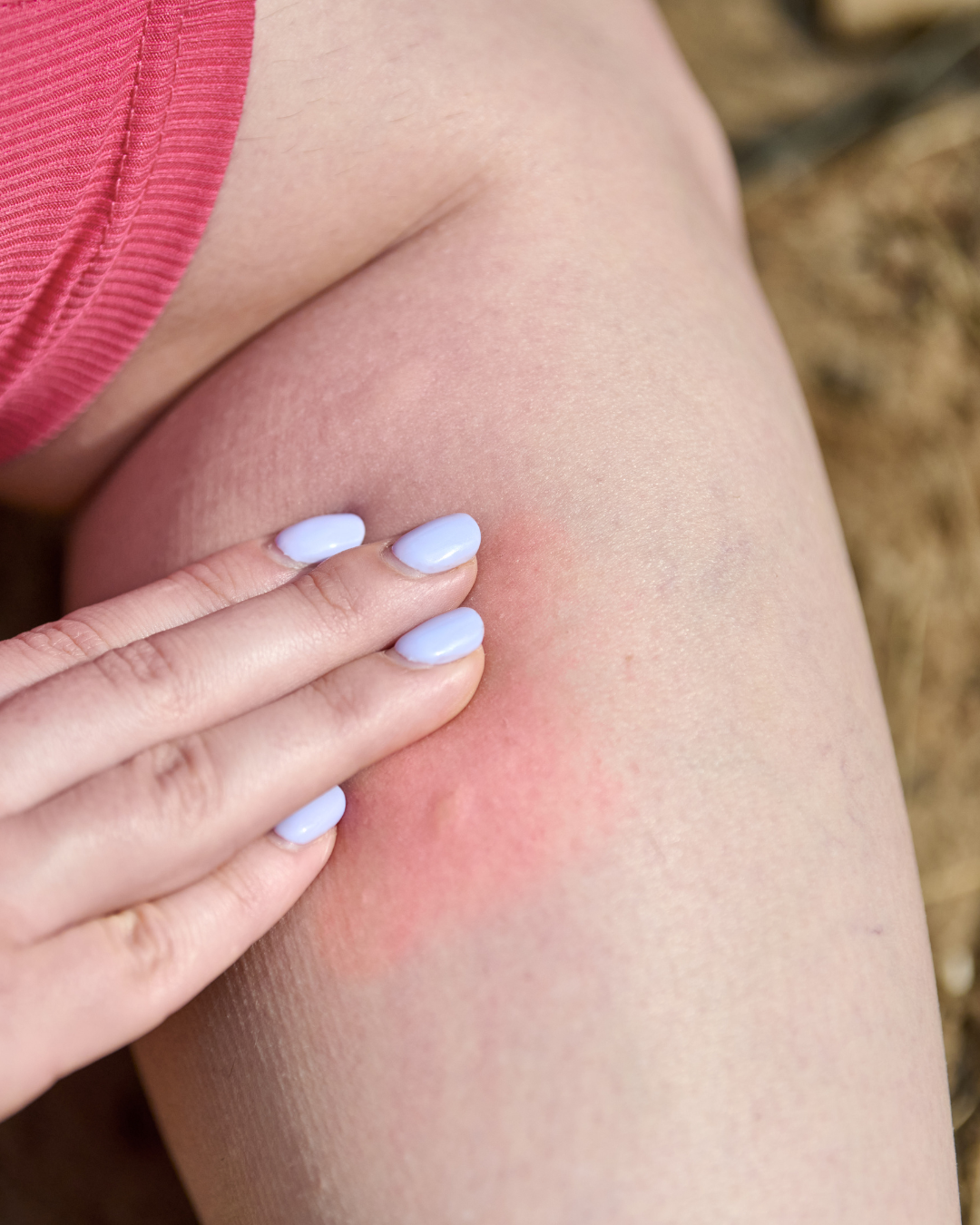
How to Treat Bug Bites Naturally: Remedies for Mosquito Bite Itching and Swelling
Spending time outdoors in the warmer months often comes with an unwelcome side effect: bug bites. Mosquitoes, gnats, and other insects can leave behind itchy, swollen bumps that can be uncomfortable and irritating.
Many people search for natural remedies for bug bites because they want relief from itching without using harsh chemicals. Fortunately, there are several gentle remedies can help calm inflammation, reduce itching, and support the skin’s natural healing process.
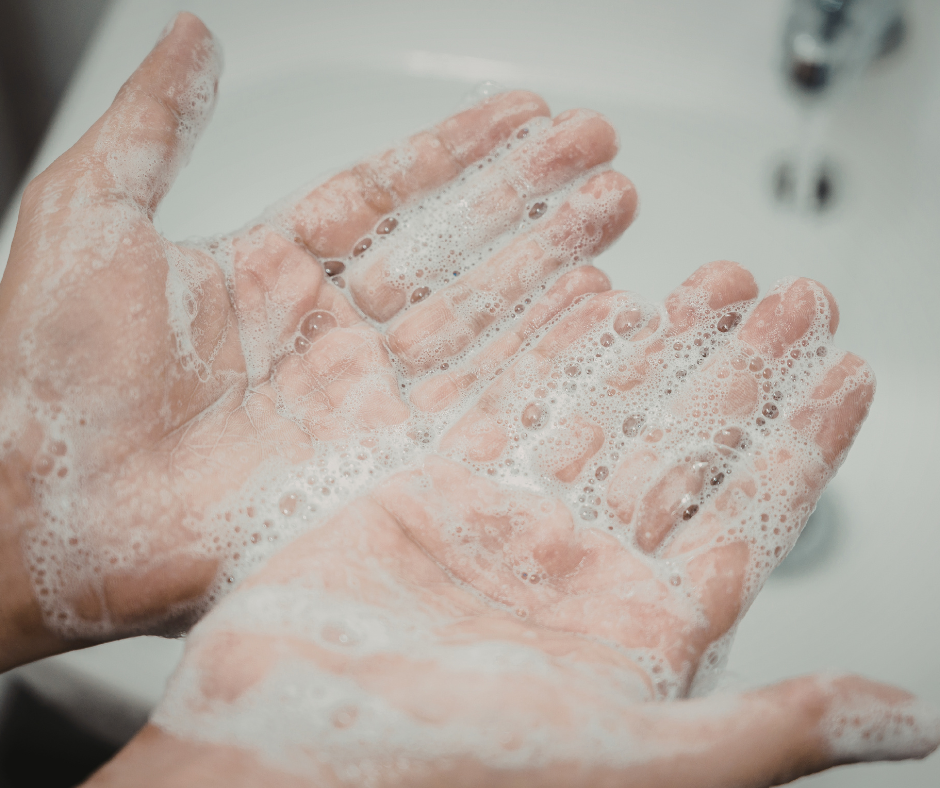
Why Does Hand Soap Dry Out Your Hands? Causes and How to Prevent It
Handwashing is essential for preventing the spread of germs, but if your hands feel dry, tight, or irritated afterward, your hand soap may be part of the problem.
Soap removes dirt and oils from the skin, but some formulas can also remove too much of the natural oil that helps protect the skin barrier. Frequent handwashing can make that dryness even more noticeable.
As a pharmacist and skincare formulator, I believe you shouldn't have to choose between clean hands and comfortable skin. Understanding why soap dries out your hands can help you choose a gentler cleanser and make a few simple changes to protect your skin barrier.

Sensitive Skin: Signs, Causes & How to Build a Gentle Skincare Routine
Sensitive skin affects millions of people and is often linked to a weakened skin barrier. This complete guide explains what causes sensitive skin, common triggers to avoid, and how to build a gentle skincare routine that supports long-term skin health.
Sensitive skin is incredibly common — and often misunderstood.
As a compounding pharmacist and founder of Kosmatology, I began formulating gentle skincare when my infant daughter developed eczema. What I learned through research, formulation, and years of working with sensitive skin families is this:
Sensitive skin isn’t weak.
It’s reactive and it needs support, not aggression.
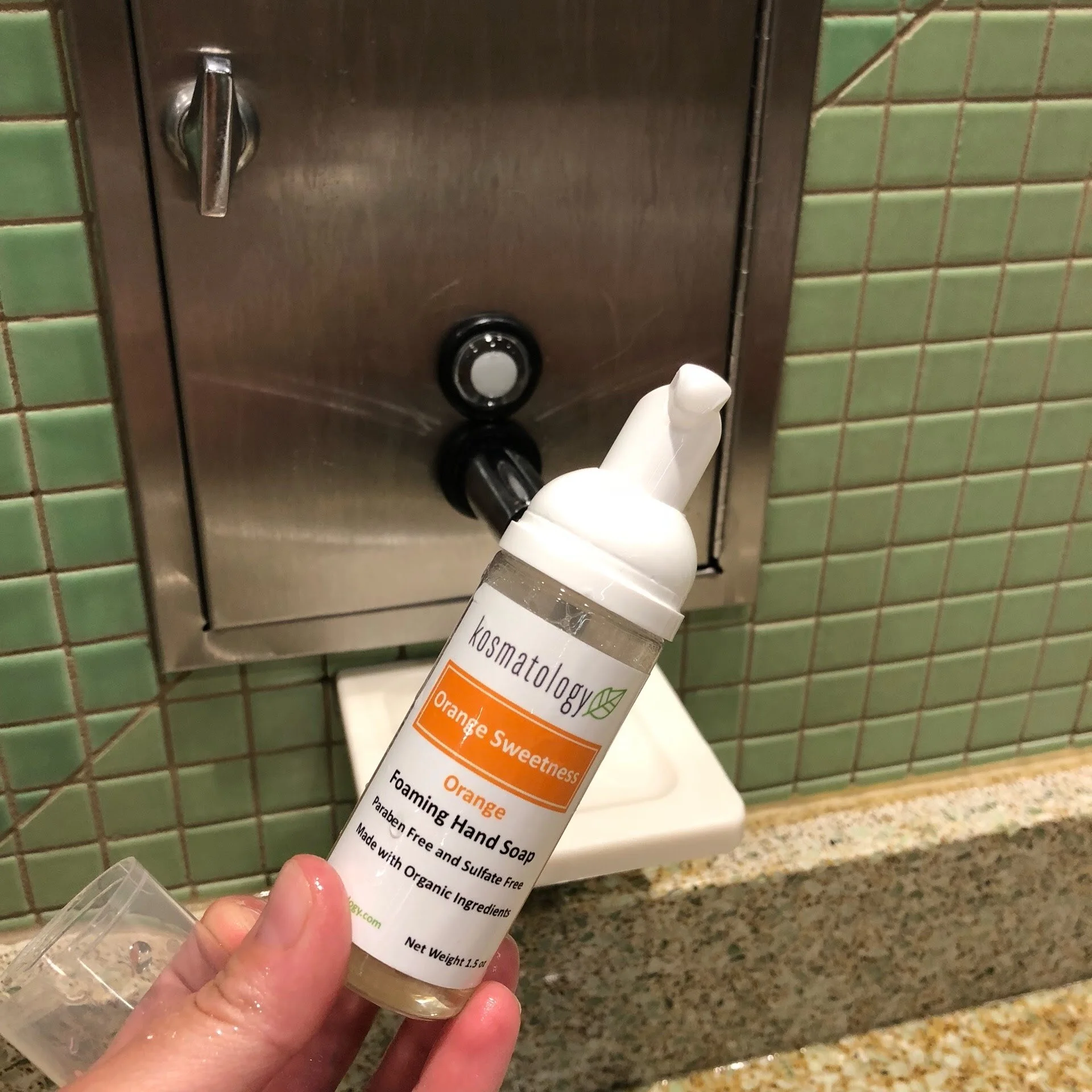
What’s Really in Public Restroom Hand Soap (The Pink Stuff)?
If you’ve ever washed your hands in a public restroom, you’ve likely encountered the familiar bright pink soap. It’s widely used in schools, offices, hospitals, and public facilities—but few people stop to consider what’s actually in it or how those ingredients affect skin health.
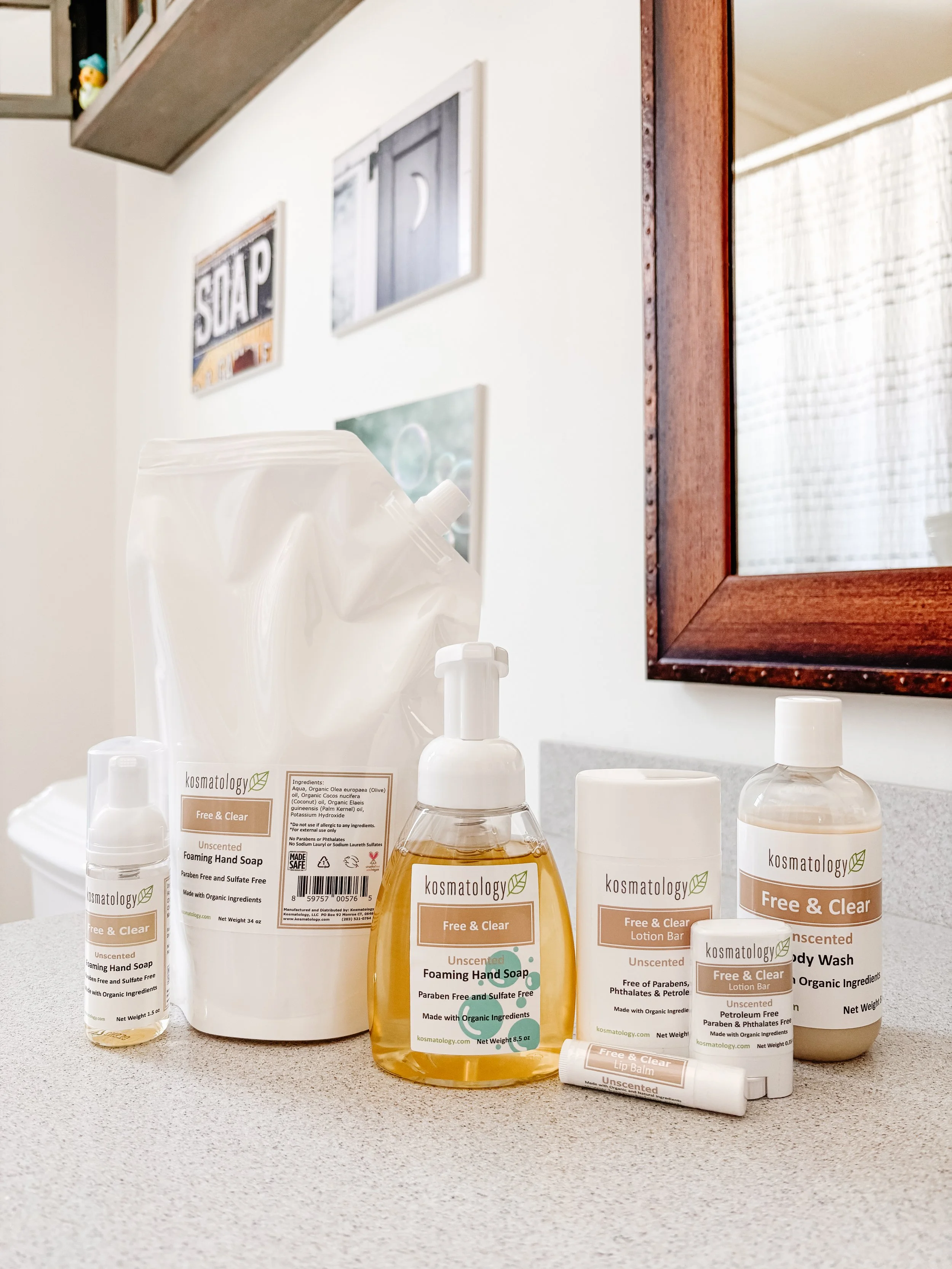
Why Unscented Skincare Matters More Than You Think
When it comes to skincare, scent often steals the show. From floral face creams to citrusy body washes, fragrance can be a delightful part of the experience. But for many, scent—whether natural or synthetic—can cause irritation, allergies, or simply be overwhelming. That’s where unscented products shine.
Why Winter Makes Sensitive Skin Worse
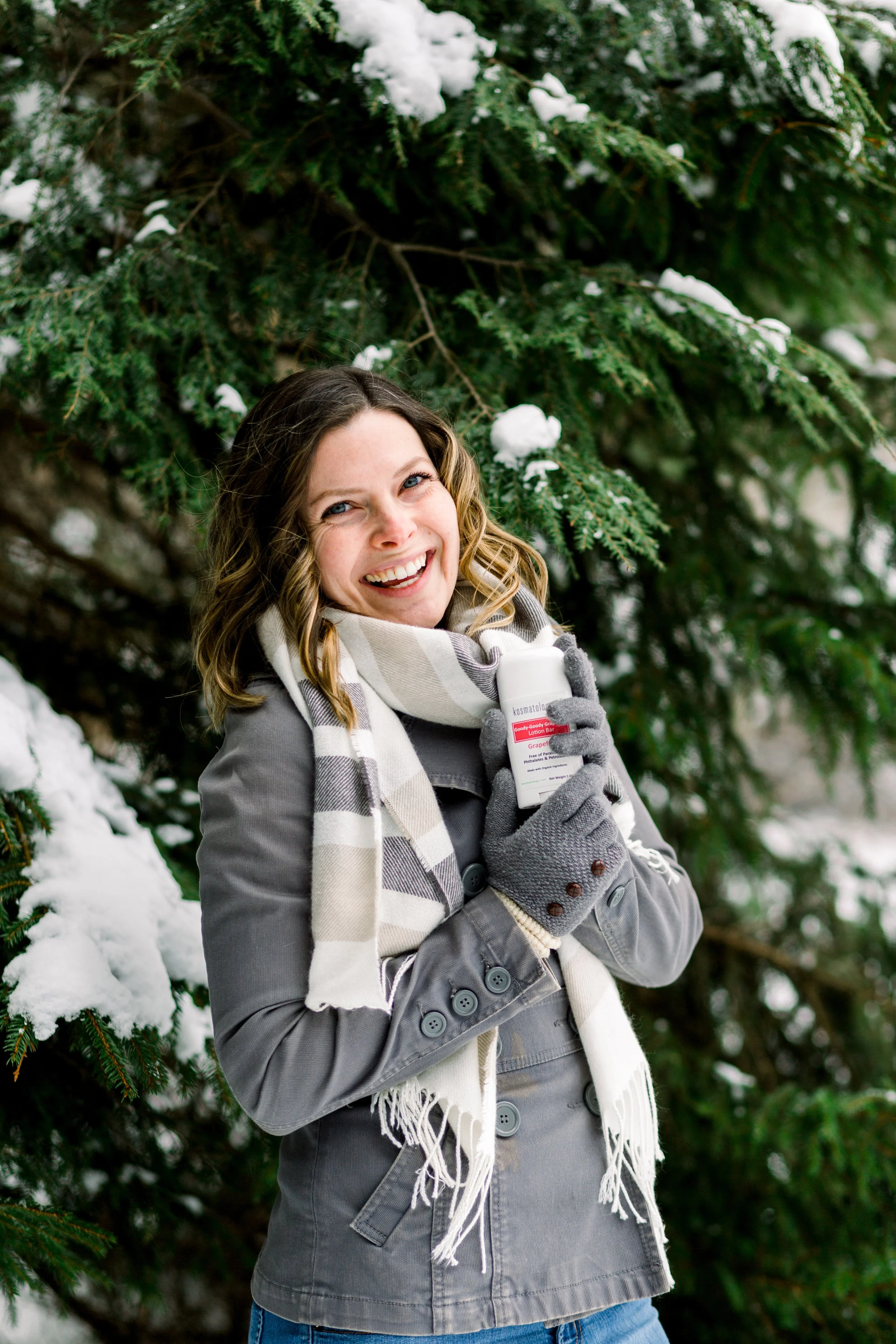
Winter can be especially challenging for sensitive skin. As temperatures drop and humidity levels fall, many people notice increased dryness, irritation, redness, and flare-ups that weren’t present during warmer months. If your skin feels tighter, more reactive, or harder to manage in winter, there’s a reason — and it has everything to do with your skin barrier.
Understanding why winter worsens sensitive skin can help you take the right steps to protect it and keep your skin comfortable all season long.
Can Beeswax Lip Balm Cause Perioral Dermatitis?
If you’re experiencing redness, bumps, dryness, or irritation around your mouth, you may be dealing with perioral dermatitis. While the exact cause can vary, certain skincare ingredients can sometimes trigger or worsen this condition.
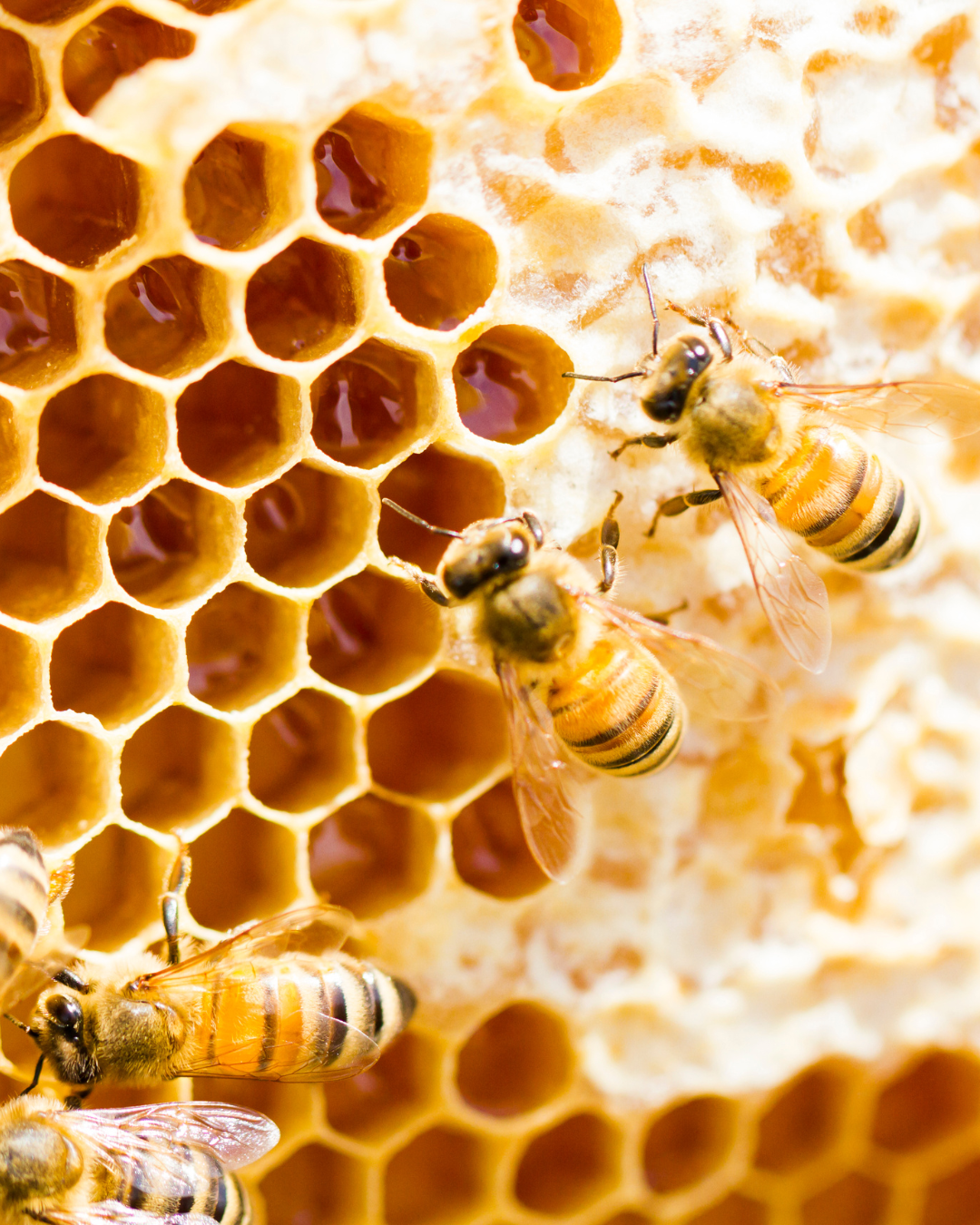
One ingredient that is often overlooked is beeswax, a common component in many lip balms.
Beeswax is widely used in natural skincare because it creates a smooth texture and forms a protective barrier that helps lock in moisture. However, for some individuals, beeswax or compounds associated with it may contribute to irritation around the mouth.
Understanding how ingredients interact with sensitive skin can help you identify potential triggers and find products that better support your skin.

My Travel Skincare Essentials: Kosmatology Favorites for On-the-Go
Traveling is one of my favorite ways to break routine, recharge, and feel inspired—but when it comes to skincare, I like to keep things simple, clean, and TSA-friendly. Whether I'm camping in the mountains, road-tripping with the family, or hopping on a flight, these are the Kosmatology travel essentials I always pack in my bag:
How Stress Impacts Eczema & What You Can Do About It
Eczema is more than just a skin condition—it’s a daily challenge that can be physically uncomfortable, emotionally draining, and deeply frustrating. As someone who has navigated this journey both professionally and personally, I understand the impact eczema can have on quality of life.
Through my experience as a compounding pharmacist and the founder of Kosmatology, I’ve dedicated my work to helping people manage eczema naturally. But beyond skincare, understanding stress as a trigger is crucial to breaking the cycle of flare-ups.

Understanding Dry Skin: Causes, Prevention, and How to Restore Your Skin Barrier
Dry skin is one of the most common skincare concerns people experience. It often appears as tight, rough, flaky, or irritated skin, and while it may seem like a minor inconvenience, persistent dryness can signal a weakened skin barrier.
Some people only experience dry skin during the winter months, while others struggle with it year-round. Understanding why dry skin happens and how to support your skin barrier is the first step toward keeping skin comfortable and healthy.

How to Repair a Damaged Skin Barrier (Signs + Natural Repair Tips)
Your skin is your body’s largest organ, and its outermost layer, known as the skin barrier, plays a critical role in protecting you from the outside world. This protective layer, also called the stratum corneum, acts as your skin’s first line of defense against environmental pollutants, UV radiation, bacteria, and irritants.
The skin barrier also helps retain moisture, keeping skin hydrated, comfortable, and resilient. When the skin barrier becomes damaged or weakened, moisture escapes more easily and irritants can penetrate the skin, which can lead to dryness, redness, irritation, and increased skin sensitivity.
Supporting and repairing the skin barrier is one of the most important steps for maintaining healthy, balanced skin, especially for people with sensitive or eczema-prone skin.
Eczema: A Very Personal Journey into Gentle Skincare
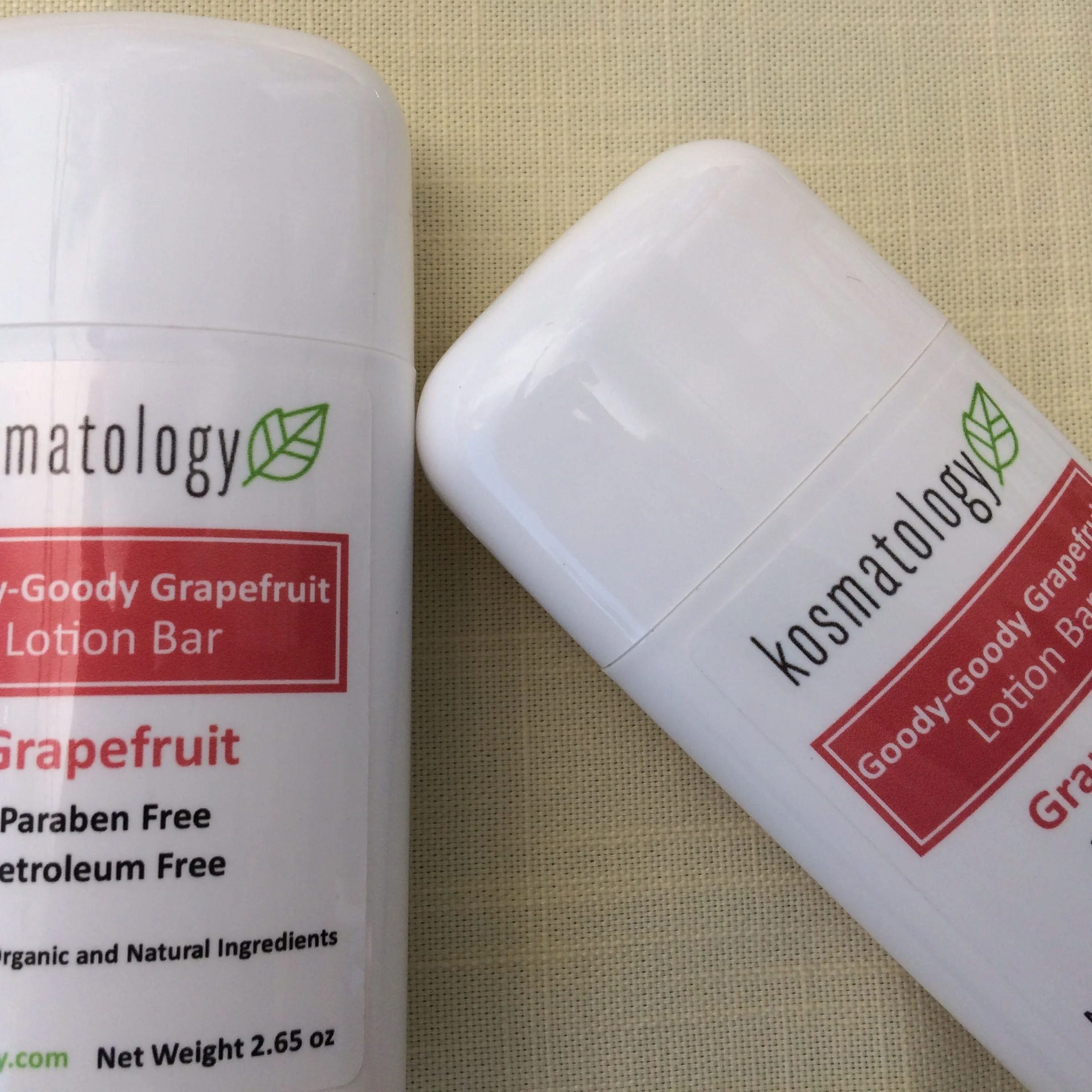
Eczema isn’t just something I’ve researched—it’s something my family has lived through.
Considering that my daughter’s struggle with eczema ultimately led me to develop gentle, clean skincare products and later start Kosmatology, it feels only fitting to share our story.
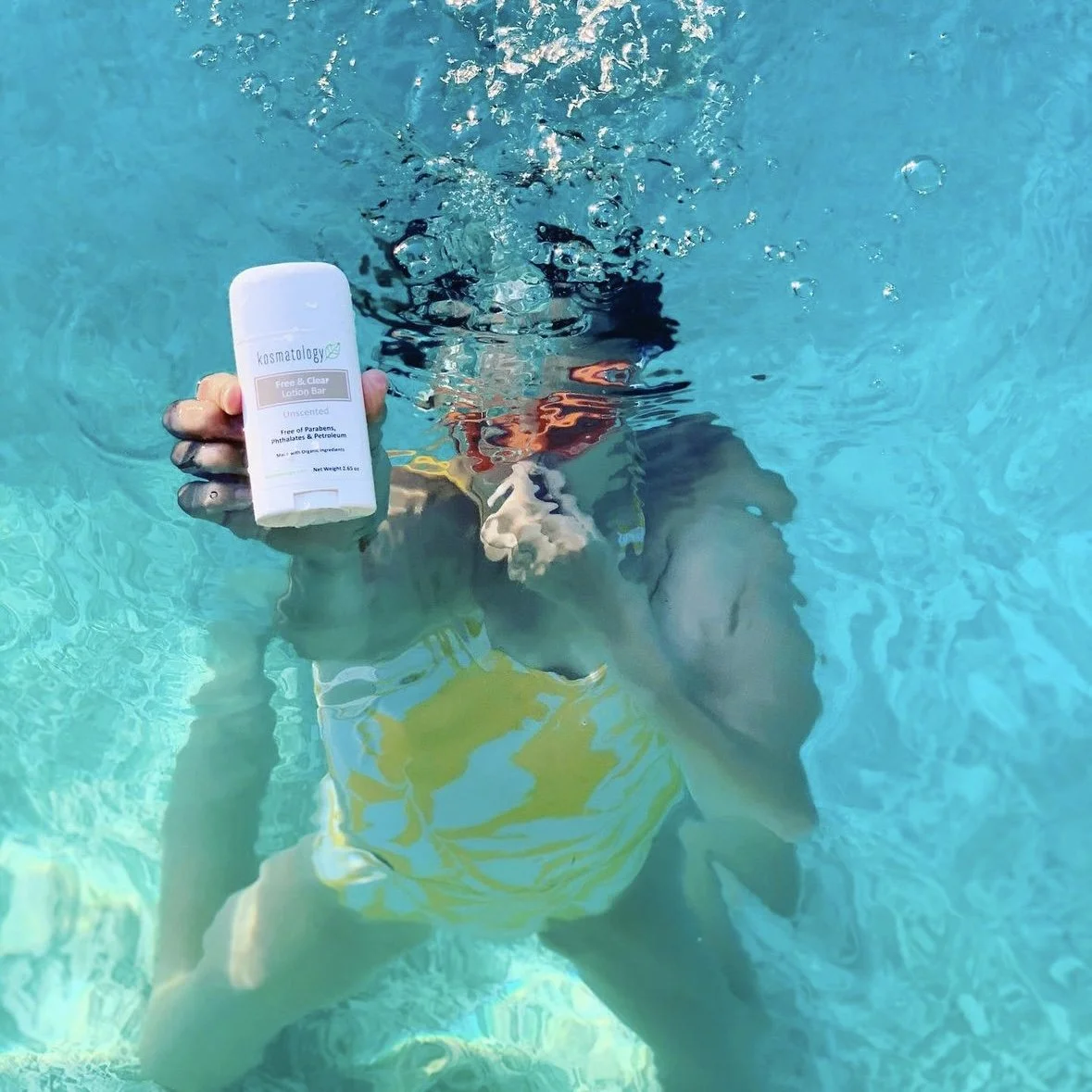
How to Protect Your Skin from Chlorine: Minimizing Chlorine Exposure in the Summer
Summer often means long afternoons by the pool. While swimming is a fun and healthy way to cool off, many people notice that frequent pool time can leave their skin feeling dry, tight, or irritated.
Chlorine plays an important role in keeping pools clean and safe by killing harmful bacteria. However, repeated exposure to chlorinated water can also strip natural oils from the skin and hair. Over time, this can weaken the skin barrier and contribute to dryness or irritation.
Many people searching for how to protect skin from chlorine are looking for simple ways to enjoy swimming while minimizing its drying effects. Fortunately, a few small habits can help reduce chlorine exposure and support healthier skin during the summer months.
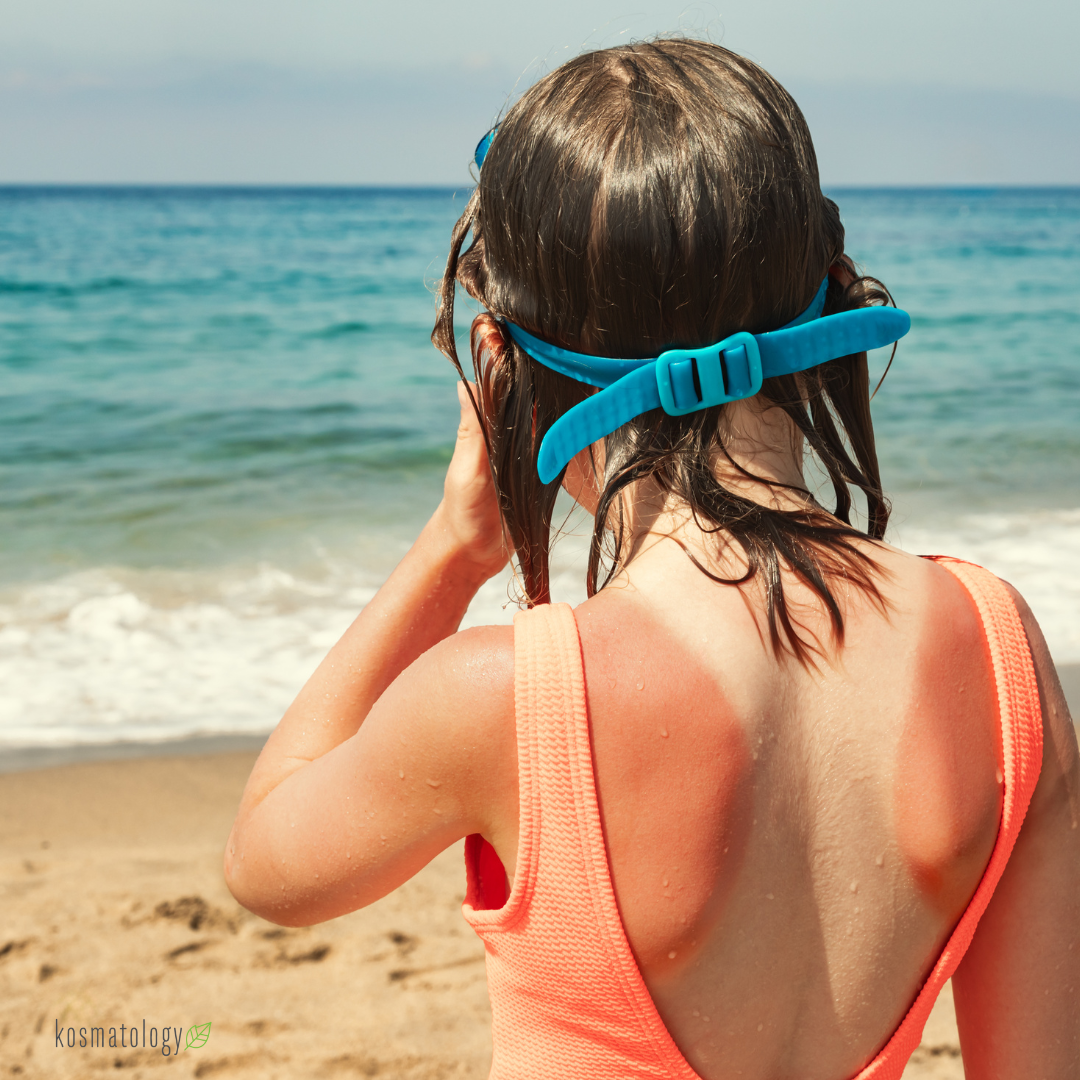
Natural Remedies for Sunburn: How to Soothe and Support Skin Recovery
As we bask in the sunny days, many of us are eager to enjoy the warmth and light. However, it's easy to overdo it and end up with a painful sunburn, which can lead to unsightly peeling. Proper after-sun care is crucial to alleviate the discomfort and support the healing process.
What Is the Skin Microbiome? Why It Matters for Healthy Skin
Our skin is the largest organ in the body and serves as the first line of defense against the outside world. But beyond being a physical barrier, the skin is home to a complex ecosystem known as the skin microbiome.
The skin microbiome is made up of trillions of microorganisms, including bacteria, fungi, and other microbes that naturally live on the surface of the skin. Scientists estimate that the skin microbiome may include over 1,000 different species of bacteria and dozens of types of fungi.
These microorganisms are not harmful—in fact, many of them are essential for healthy skin.
Understanding how the skin microbiome works can help explain why gentle skincare, balanced routines, and barrier-supporting ingredients are so important for maintaining comfortable, resilient skin.