
Natural Ways to Reduce Seasonal Allergy Symptoms
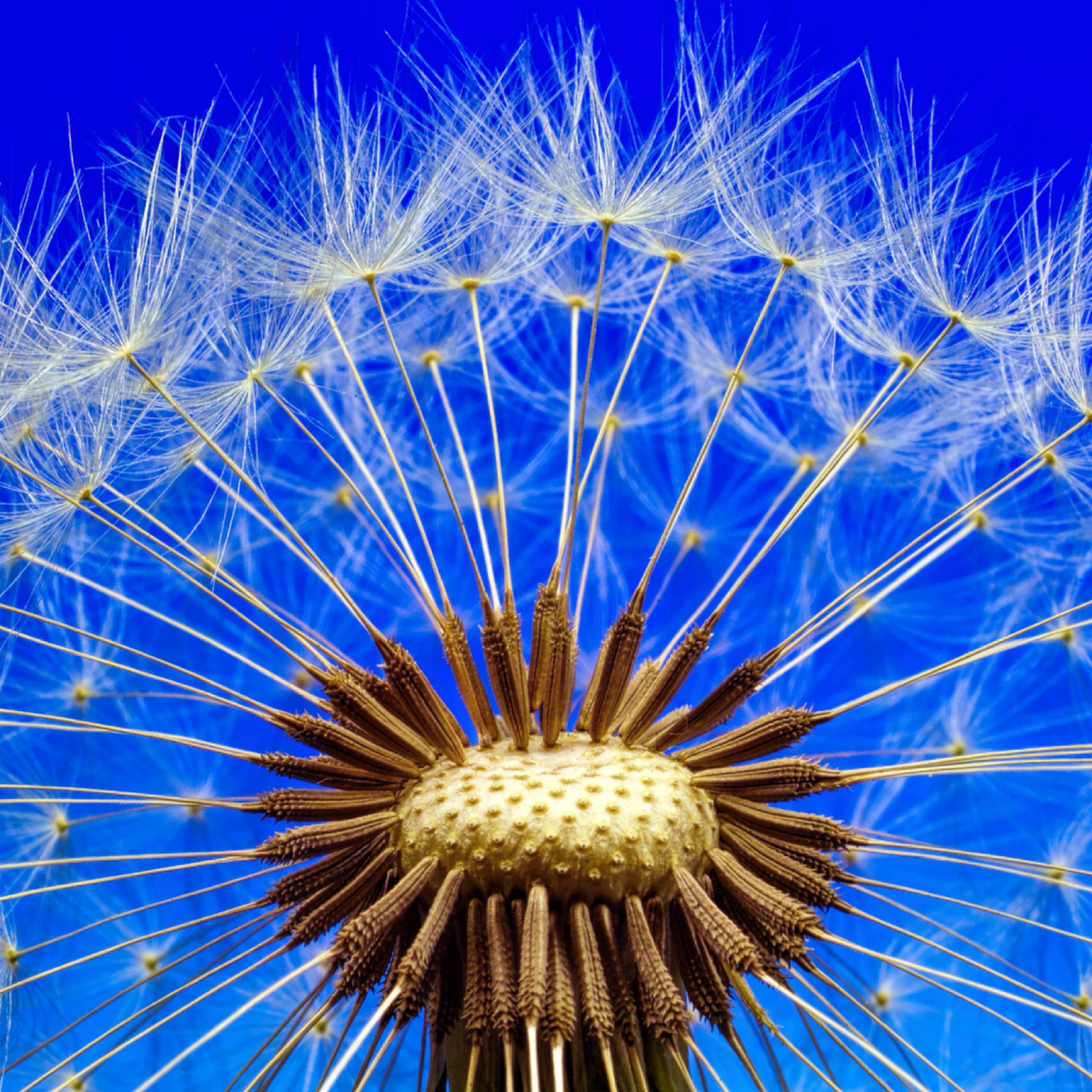
Warmer weather brings blooming trees, longer days, and more time outdoors — but for many people, it also brings seasonal allergies.
Sneezing, congestion, sinus pressure, and itchy eyes are common during peak pollen months. While antihistamines and other medications are widely available, many individuals also look for natural ways to reduce seasonal allergy symptoms and support overall comfort during times of increased environmental exposure.
Although natural approaches do not replace medical treatment when needed, small daily habits can help reduce allergen exposure and support the body’s balance during seasonal transitions.
What Causes Seasonal Allergies?
Seasonal allergies are typically triggered by airborne particles such as:
• Tree pollen
• Grass pollen
• Ragweed
• Dust
• Mold spores
When these particles enter the body, the immune system may respond with inflammation and increased mucus production — leading to common allergy symptoms.
Reducing exposure and supporting the body’s natural balance can make a noticeable difference.
Shower Before Bed to Remove Pollen
During allergy season, your hair and skin collect pollen, dust, and other airborne particles throughout the day.
If you go to bed without showering, those allergens transfer to your pillowcase and sheets — where you continue breathing them in all night.
A quick shower before bed can:
• Remove pollen from skin and hair
• Reduce nighttime allergen contact
• Support more comfortable sleep during allergy season
Pro tip: Change pillowcases more frequently during peak pollen months.
Choose Fragrance-Free, Gentle Personal Care Products
Many people focus only on outdoor triggers — but personal care products can also affect comfort during allergy season. During allergy season, reducing unnecessary exposure to synthetic fragrance and harsh detergents can make a noticeable difference for sensitive individuals. If you're unsure what to watch for on labels, read our full guide on ingredients to avoid in personal care products to better understand common irritants.
Strong synthetic fragrances, harsh detergents, and heavily scented soaps may feel overwhelming when sinuses are already sensitive. Choosing fragrance-free or minimally formulated products may help reduce unnecessary irritation. Many people with seasonal allergies also experience increased skin sensitivity. Our Sensitive Skin Guide explains how to choose gentle products that help maintain comfort during seasonal transitions.
Look for:
• Products labeled “fragrance-free” (not just “unscented”)
• Short ingredient lists
• Gentle, plant-based cleansing ingredients
If you're unsure which ingredients to watch for. You may also find our downloadable Skincare Ingredients Cheat Sheet helpful it explains common irritants and how to read labels more confidently.
Support the Body with a Nutrient-Dense Diet
While food does not “cure” seasonal allergies, overall nutrition plays an important role in supporting the body’s natural responses.
Some individuals find it helpful to limit:
• Excess sugar
• Highly processed foods
• Heavy dairy intake during peak congestion
Focusing on whole foods, hydration, and colorful plant-based ingredients supports overall immune and skin health.
Foods rich in naturally occurring plant compounds are often discussed in research related to inflammation and immune balance. Examples include:
• Berries
• Leafy greens
• Onions
• Peppers
• Parsley
Vitamin C–rich foods also support collagen production and overall skin integrity. You can learn more about how nutrition supports collagen and skin health in our Eating for Collagen blog.
Incorporate Anti-Inflammatory Foods
Certain foods are frequently studied for their role in supporting the body’s normal inflammatory response.
Pineapple contains bromelain, an enzyme often discussed in nutrition research related to digestion and mucus balance. You can learn more about bromelain and the benefits of pineapple in our Pineapple Perfection blog, where we also share a simple recipe.
Turmeric contains curcumin, a plant compound widely studied for its potential anti-inflammatory properties. One of our favorite ways to incorporate turmeric into a daily routine is through our Golden Milk recipe, which you can find here.
Green tea, which contains naturally occurring plant compounds such as EGCG, is another soothing option many people enjoy during allergy season.
What About Local Honey for Seasonal Allergies?
Some people choose to incorporate small amounts of local honey into their diet during allergy season. The theory is that exposure to trace amounts of locally produced pollen may help the body gradually adapt over time.
However, scientific research on this approach is limited, and results have been mixed. While honey can certainly be enjoyed as part of a balanced diet, it should not replace appropriate medical treatment for moderate to severe allergy symptoms.
If you choose to try local honey, it’s best viewed as a complementary wellness habit rather than a guaranteed solution.
Drink Green Tea
Green tea contains naturally occurring plant compounds such as EGCG (epigallocatechin gallate), which researchers have studied for their role in the body’s response to environmental stressors.
Many people enjoy green tea during allergy season as a soothing, hydrating beverage.
Wash Bedding Frequently During Allergy Season
Pollen settles on fabrics, especially during high-count days.
Washing sheets and pillowcases in hot water once or twice weekly during peak season may help reduce accumulated allergens.
Choosing fragrance-free laundry products may further minimize irritation for those with sensitivities.
Keep Windows Closed During High Pollen Days
As refreshing as open windows can feel, high pollen counts may increase indoor exposure.
Checking daily pollen levels and ventilating strategically can help maintain a more controlled indoor environment.
Small Habits Make a Big Difference
Seasonal allergies can be frustrating, but managing them often comes down to thoughtful daily choices:
• Rinse off pollen before bed
• Choose fragrance-free, gentle products
• Support the skin barrier
• Eat a nutrient-dense diet
• Reduce unnecessary irritant exposure
As a pharmacist and formulator, I always encourage a balanced approach. Supporting the body during seasonal changes does not require drastic measures — just consistent, mindful adjustments.
Frequently Asked Questions
-
A: Reducing allergen exposure, choosing fragrance-free personal care products, washing bedding frequently, and maintaining a nutrient-dense diet may help support overall comfort during allergy season.
-
A: Some people use local honey during allergy season because of the theory that exposure to small amounts of local pollen may help the body adapt. However, scientific evidence on this is limited and mixed. Honey can be enjoyed as part of a balanced diet, but it should not replace appropriate medical treatment for significant allergy symptoms.
-
A: Yes. Environmental stressors and immune activation may contribute to increased skin reactivity. Supporting the skin barrier with gentle products can be helpful.
-
A: For some individuals, strong synthetic fragrances may feel irritating during peak allergy months, particularly when sinuses are already sensitive. Choosing fragrance-free or minimally formulated products may help reduce unnecessary irritation.
-
A: Foods rich in vitamin C, quercetin-containing produce (like onions and berries), turmeric, green tea, and pineapple are often discussed in research related to inflammation and immune balance. While these foods support overall wellness, they are not substitutes for medical treatment.

About the Author
Janis Covey, PharmD
Compounding pharmacist and founder of Kosmatology, Janis formulates gentle skincare designed for sensitive skin and families. Her work focuses on ingredient transparency, skin barrier support, and simple routines that help skin stay comfortable and healthy. Learn more about her approach to skincare on the About Kosmatology page.
Related Reading
You may also enjoy:
• Ingredients to Avoid in Personal Care Products
• Pineapple Perfection: Benefits of Bromelain
• Eating for Collagen and Skin Support
• Confessions of a Green Swap Convert