
KOSMATOLOGY BLOG
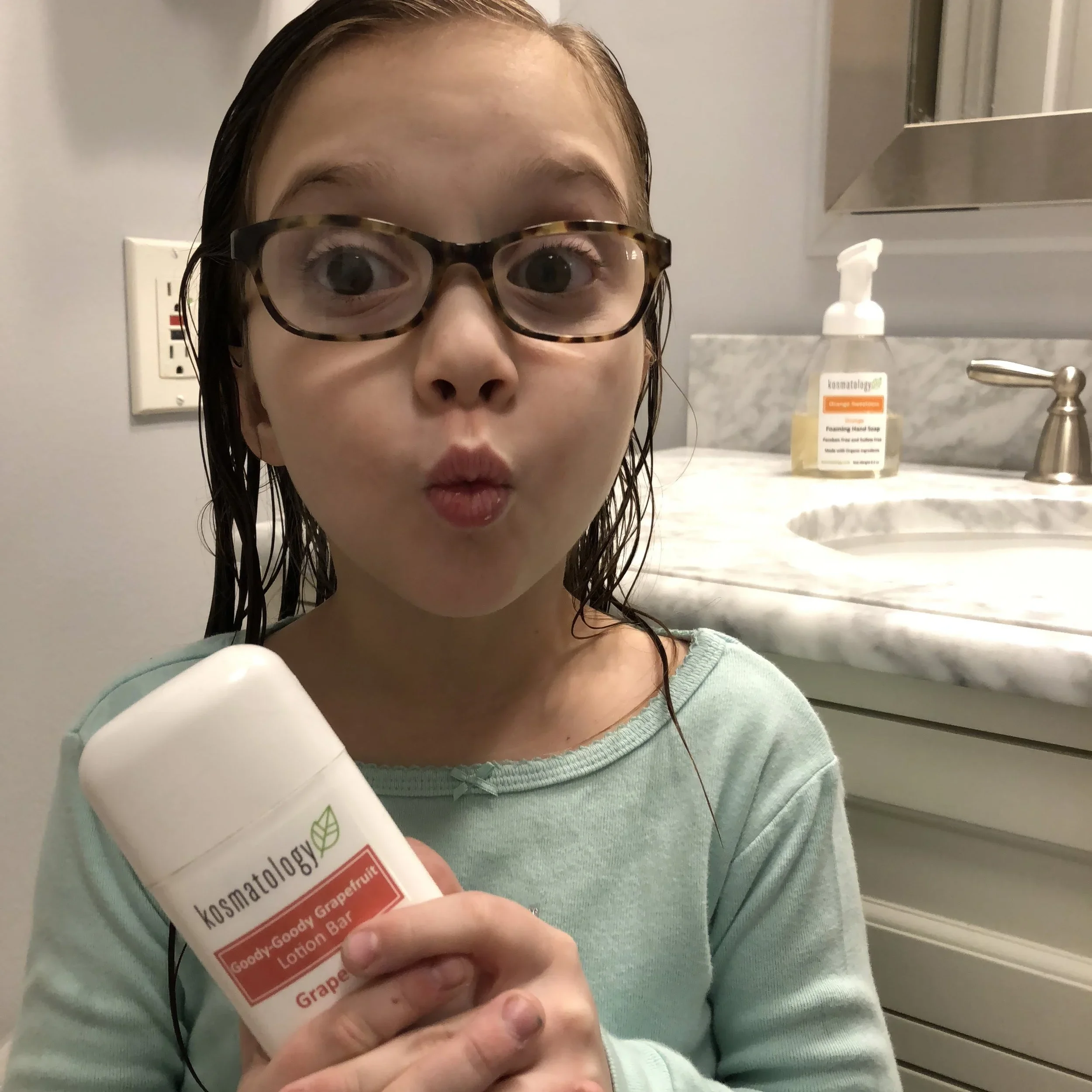
Best Moisturizer for Kids with Eczema (How to Support Sensitive Skin Naturally)
Eczema is one of the most common skin conditions in children. Characterized by dry, itchy, inflamed skin, eczema can make everyday activities uncomfortable for kids and stressful for parents trying to manage flare-ups.
While eczema has many triggers, one of the most important parts of managing symptoms is consistent moisturizing. Supporting the skin barrier with gentle, nourishing moisturizers can help reduce dryness, calm irritation, and protect sensitive skin.
Understanding what to look for in a moisturizer—and what to avoid—can make a big difference when caring for children with eczema.

Why Does Hand Soap Dry Out Your Hands? (And the Best Soap for Sensitive Skin)
Handwashing is one of the most important habits for preventing the spread of germs. But many people notice something uncomfortable after washing their hands—skin that feels tight, dry, rough, or irritated.
If this happens to you, you’re not imagining it. Many common hand soaps can strip away the skin’s natural protective oils, leaving the skin barrier vulnerable to dryness and irritation.
Understanding why hand soap can dry out your hands can help you choose gentler products and protect your skin.

Sensitive Skin: Signs, Causes & How to Build a Gentle Skincare Routine
Sensitive skin affects millions of people and is often linked to a weakened skin barrier. This complete guide explains what causes sensitive skin, common triggers to avoid, and how to build a gentle skincare routine that supports long-term skin health.
Sensitive skin is incredibly common — and often misunderstood.
As a compounding pharmacist and founder of Kosmatology, I began formulating gentle skincare when my infant daughter developed eczema. What I learned through research, formulation, and years of working with sensitive skin families is this:
Sensitive skin isn’t weak.
It’s reactive and it needs support, not aggression.
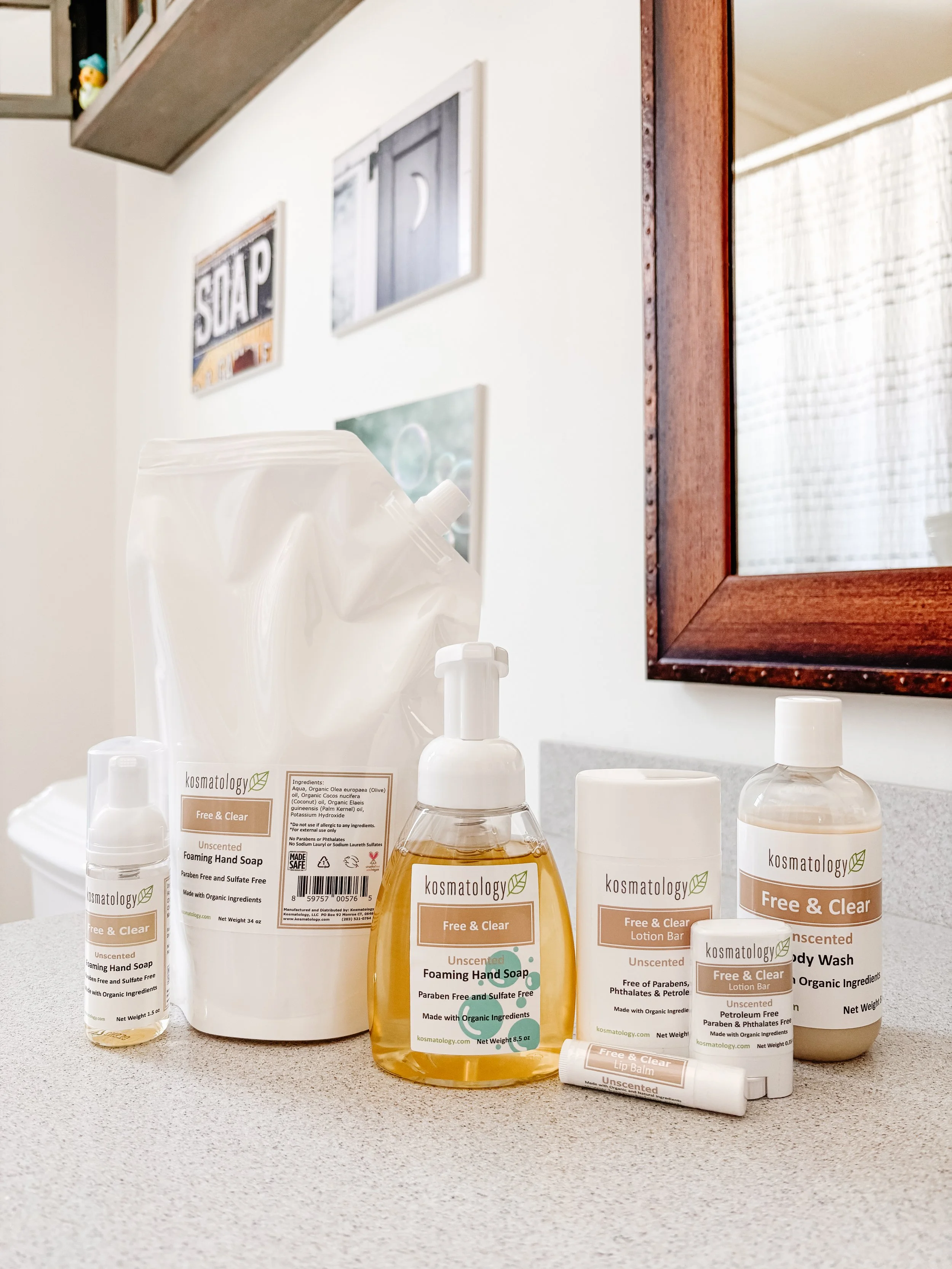
Why Unscented Skincare Matters More Than You Think
When it comes to skincare, scent often steals the show. From floral face creams to citrusy body washes, fragrance can be a delightful part of the experience. But for many, scent—whether natural or synthetic—can cause irritation, allergies, or simply be overwhelming. That’s where unscented products shine.

Why Winter Makes Sensitive Skin Worse
Winter can be especially challenging for sensitive skin. As temperatures drop and humidity levels fall, many people notice increased dryness, irritation, redness, and flare-ups that weren’t present during warmer months. If your skin feels tighter, more reactive, or harder to manage in winter, there’s a reason — and it has everything to do with your skin barrier.
Understanding why winter worsens sensitive skin can help you take the right steps to protect it and keep your skin comfortable all season long.

Understanding Dry Skin: Causes, Prevention, and How to Restore Your Skin Barrier
Dry skin is one of the most common skincare concerns people experience. It often appears as tight, rough, flaky, or irritated skin, and while it may seem like a minor inconvenience, persistent dryness can signal a weakened skin barrier.
Some people only experience dry skin during the winter months, while others struggle with it year-round. Understanding why dry skin happens and how to support your skin barrier is the first step toward keeping skin comfortable and healthy.

How to Repair a Damaged Skin Barrier (Signs + Natural Repair Tips)
Your skin is your body’s largest organ, and its outermost layer, known as the skin barrier, plays a critical role in protecting you from the outside world. This protective layer, also called the stratum corneum, acts as your skin’s first line of defense against environmental pollutants, UV radiation, bacteria, and irritants.
The skin barrier also helps retain moisture, keeping skin hydrated, comfortable, and resilient. When the skin barrier becomes damaged or weakened, moisture escapes more easily and irritants can penetrate the skin, which can lead to dryness, redness, irritation, and increased skin sensitivity.
Supporting and repairing the skin barrier is one of the most important steps for maintaining healthy, balanced skin, especially for people with sensitive or eczema-prone skin.
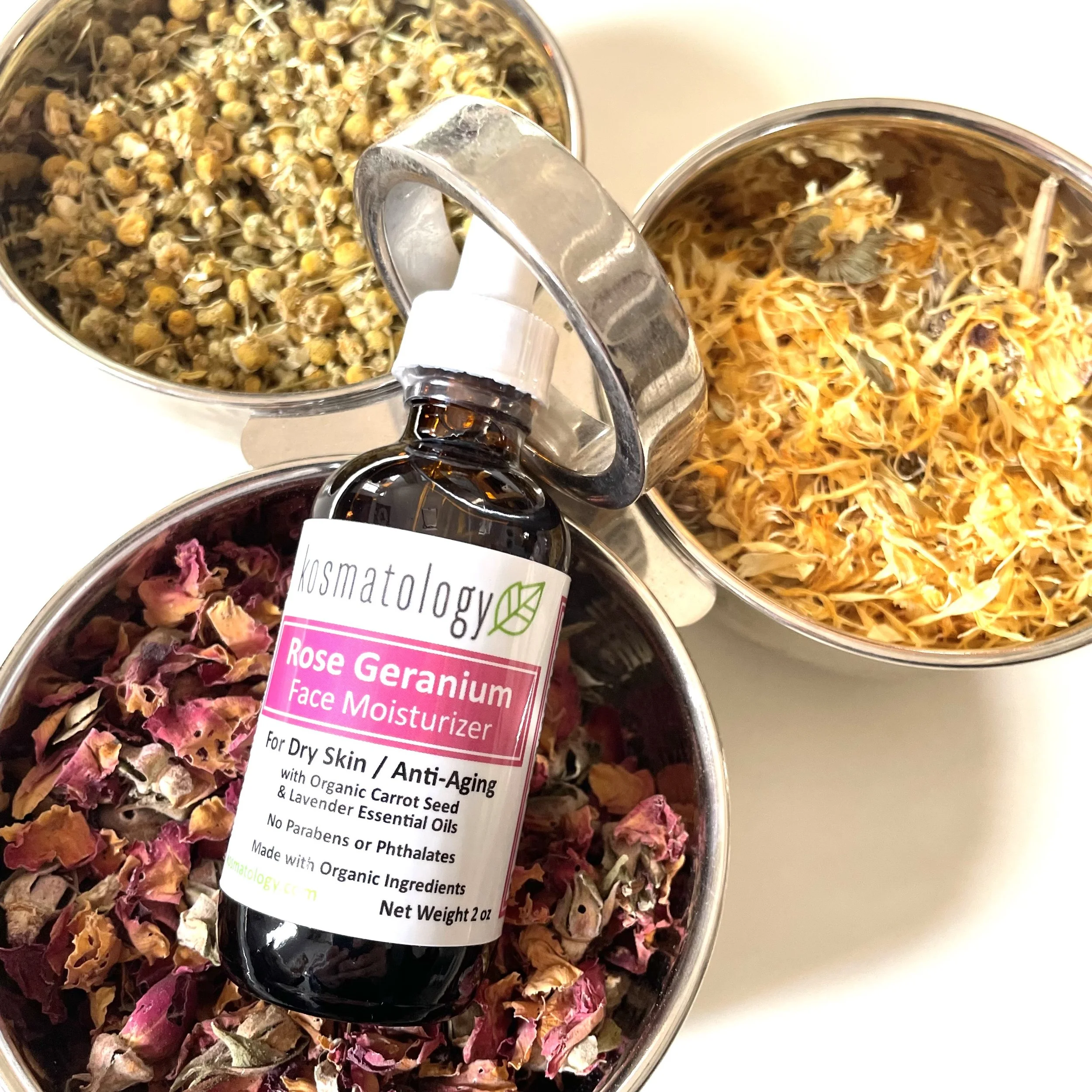
Why Face Oils Are Good for Your Skin (And How to Use Them)
Many people hesitate to use oil on their face. A common concern is that oils will make skin greasy, clog pores, or cause breakouts. But when the right plant-based oils are used properly, facial oils can be one of the most effective and gentle ways to support healthy, balanced skin.
Understanding how facial oils work can help you choose the right moisturizer for your skin type and routine.