
KOSMATOLOGY BLOG
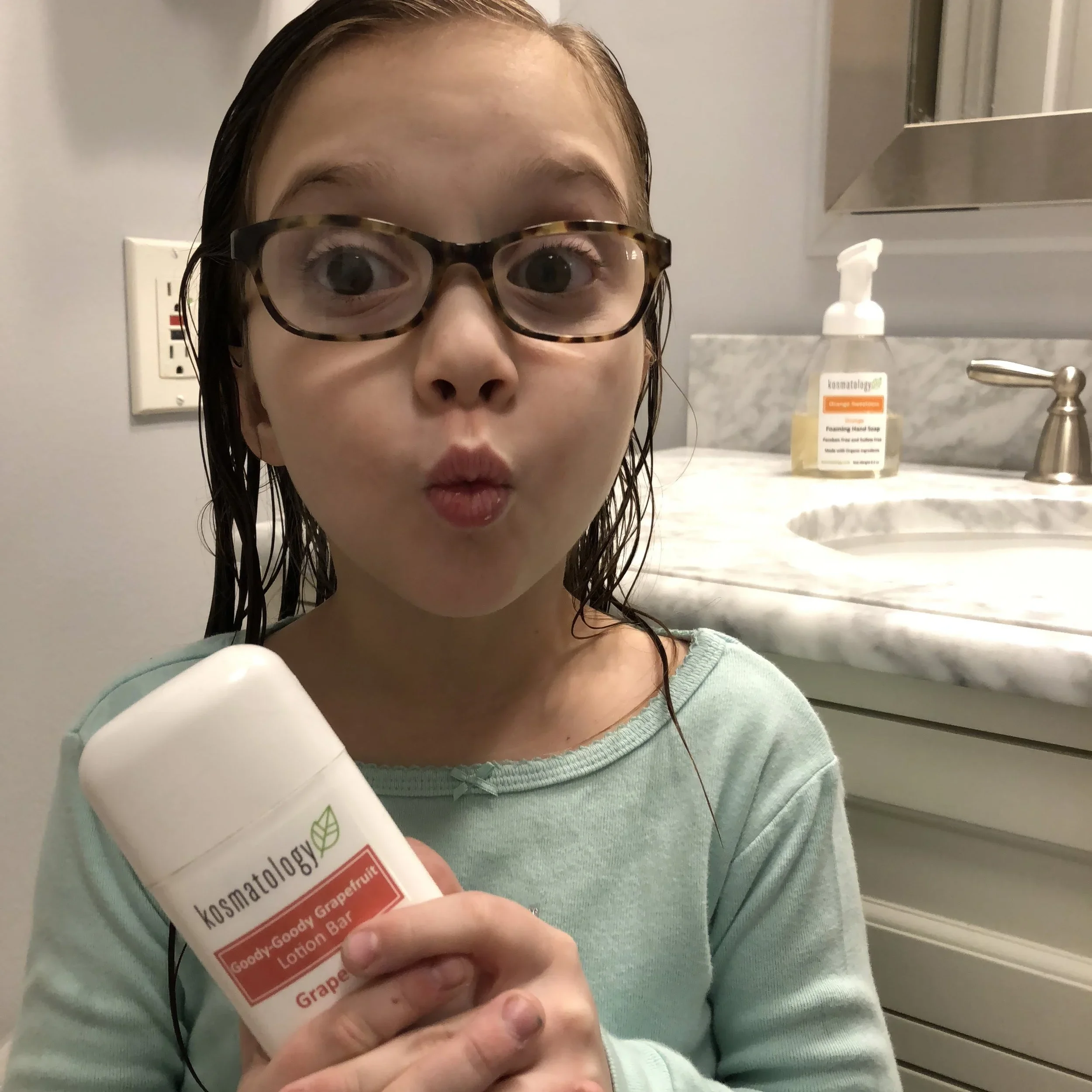
Best Moisturizer for Kids with Eczema (How to Support Sensitive Skin Naturally)
Eczema is one of the most common skin conditions in children. Characterized by dry, itchy, inflamed skin, eczema can make everyday activities uncomfortable for kids and stressful for parents trying to manage flare-ups.
While eczema has many triggers, one of the most important parts of managing symptoms is consistent moisturizing. Supporting the skin barrier with gentle, nourishing moisturizers can help reduce dryness, calm irritation, and protect sensitive skin.
Understanding what to look for in a moisturizer—and what to avoid—can make a big difference when caring for children with eczema.

How to Repair a Damaged Skin Barrier (Signs + Natural Repair Tips)
Your skin is your body’s largest organ, and its outermost layer, known as the skin barrier, plays a critical role in protecting you from the outside world. This protective layer, also called the stratum corneum, acts as your skin’s first line of defense against environmental pollutants, UV radiation, bacteria, and irritants.
The skin barrier also helps retain moisture, keeping skin hydrated, comfortable, and resilient. When the skin barrier becomes damaged or weakened, moisture escapes more easily and irritants can penetrate the skin, which can lead to dryness, redness, irritation, and increased skin sensitivity.
Supporting and repairing the skin barrier is one of the most important steps for maintaining healthy, balanced skin, especially for people with sensitive or eczema-prone skin.
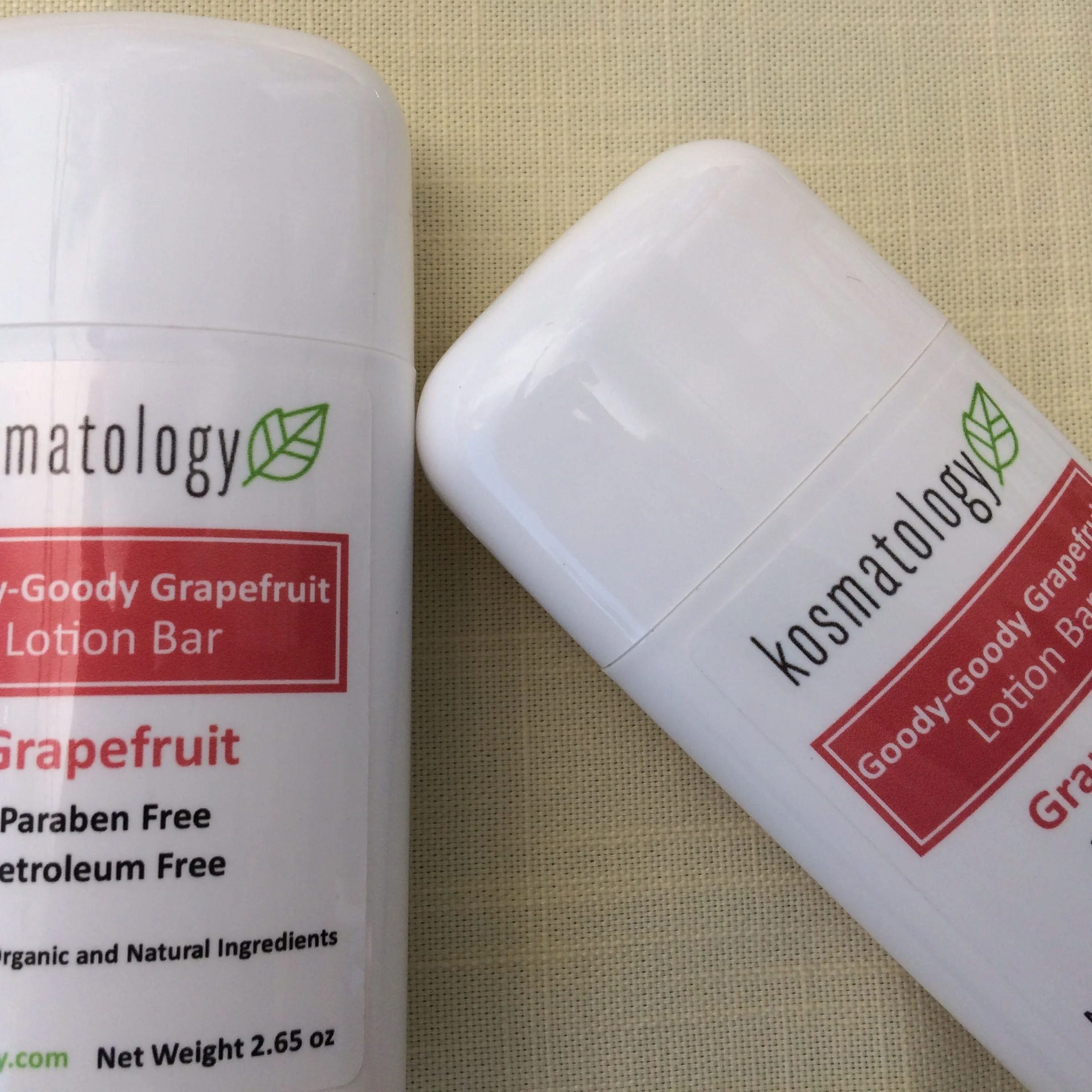
Eczema: A Very Personal Journey into Gentle Skincare
Eczema isn’t just something I’ve researched—it’s something my family has lived through.
Considering that my daughter’s struggle with eczema ultimately led me to develop gentle, clean skincare products and later start Kosmatology, it feels only fitting to share our story.

What Is the Skin Microbiome? Why It Matters for Healthy Skin
Our skin is the largest organ in the body and serves as the first line of defense against the outside world. But beyond being a physical barrier, the skin is home to a complex ecosystem known as the skin microbiome.
The skin microbiome is made up of trillions of microorganisms, including bacteria, fungi, and other microbes that naturally live on the surface of the skin. Scientists estimate that the skin microbiome may include over 1,000 different species of bacteria and dozens of types of fungi.
These microorganisms are not harmful—in fact, many of them are essential for healthy skin.
Understanding how the skin microbiome works can help explain why gentle skincare, balanced routines, and barrier-supporting ingredients are so important for maintaining comfortable, resilient skin.

Best Body Wash for Eczema, Dermatitis, and Sensitive Skin: A Complete Guide
If you have eczema, dermatitis, or sensitive skin, choosing the right skincare products can make a significant difference in daily comfort. Many cleansers contain ingredients that can strip natural oils or irritate already sensitive skin, which is why many people search for the best body wash for eczema, dermatitis, sensitive or dry skin.
Many dermatologists recommend gentle cleansers designed for sensitive skin because harsh detergents and synthetic fragrance can weaken the skin barrier and worsen irritation. Understanding how cleansers affect the skin barrier and what ingredients to look for can help you make better choices and support healthier skin over time.

Summer Skincare Tips: Why Your Skin Still Needs Moisturizer in Hot Weather
When summer arrives, many people assume they can skip moisturizer. With higher humidity, warm temperatures, and more time outdoors, it seems like skin should stay hydrated naturally.
But here’s something many people don’t realize: air conditioning, sun exposure, and frequent showering can actually dry out your skin during the summer months. Even in humid climates, these factors can affect the skin barrier and lead to dryness, irritation, or dull-looking skin.
If you spend a lot of time indoors in air-conditioned spaces, your skin may be losing moisture more quickly than you think.