
KOSMATOLOGY BLOG
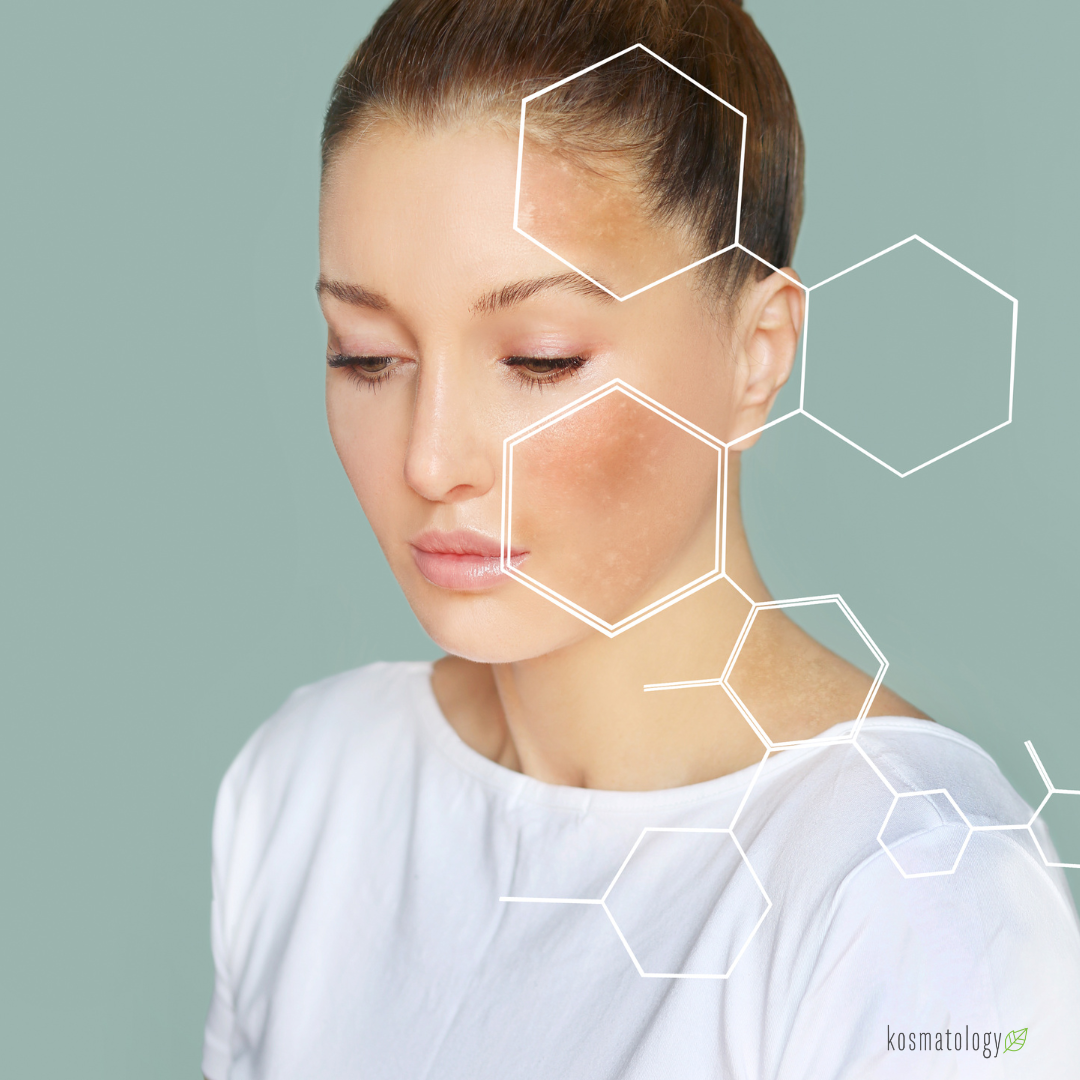
What Is the Skin Microbiome? Why It Matters for Healthy Skin
Our skin is the largest organ in the body and serves as the first line of defense against the outside world. But beyond being a physical barrier, the skin is home to a complex ecosystem known as the skin microbiome.
The skin microbiome is made up of trillions of microorganisms, including bacteria, fungi, and other microbes that naturally live on the surface of the skin. Scientists estimate that the skin microbiome may include over 1,000 different species of bacteria and dozens of types of fungi.
These microorganisms are not harmful—in fact, many of them are essential for healthy skin.
Understanding how the skin microbiome works can help explain why gentle skincare, balanced routines, and barrier-supporting ingredients are so important for maintaining comfortable, resilient skin.
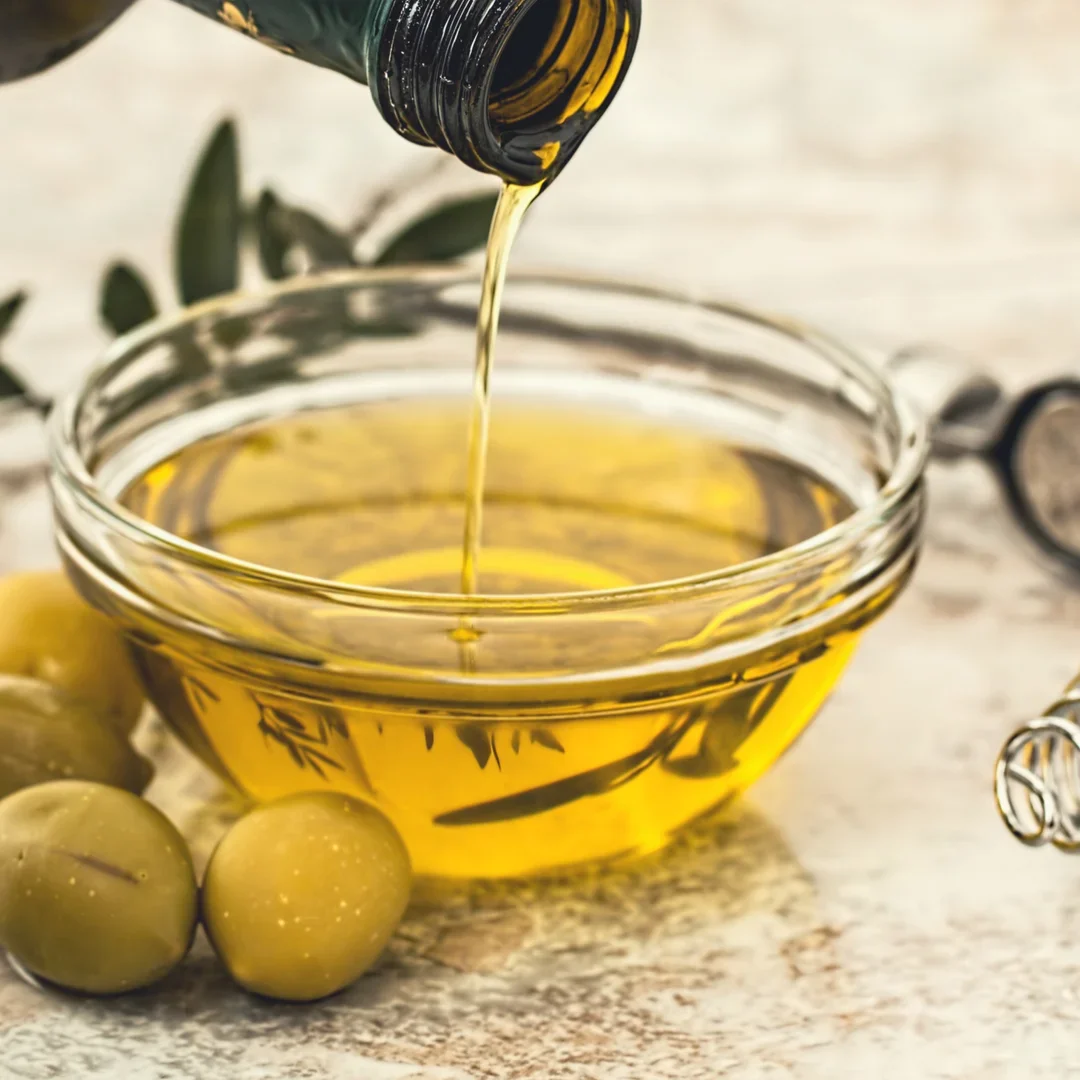
Olive Oil for Skin: Benefits, Uses, and Why It’s a Skincare Staple
I once spilled nearly half a bottle of olive oil on my kitchen counter. I could have cried. Instead of letting it go to waste, I scraped it into a container and moved it to the bathroom. I used it everywhere—on my legs, my cuticles, in the bath, even in my hair.
It turns out my grandmother was right all along: olive oil really is skin care gold.
For centuries, olive oil has been used as a natural moisturizer, cleanser, and skin protectant. Today, modern research is beginning to confirm what traditional cultures already knew—olive oil contains nutrients that support healthy skin in multiple ways.
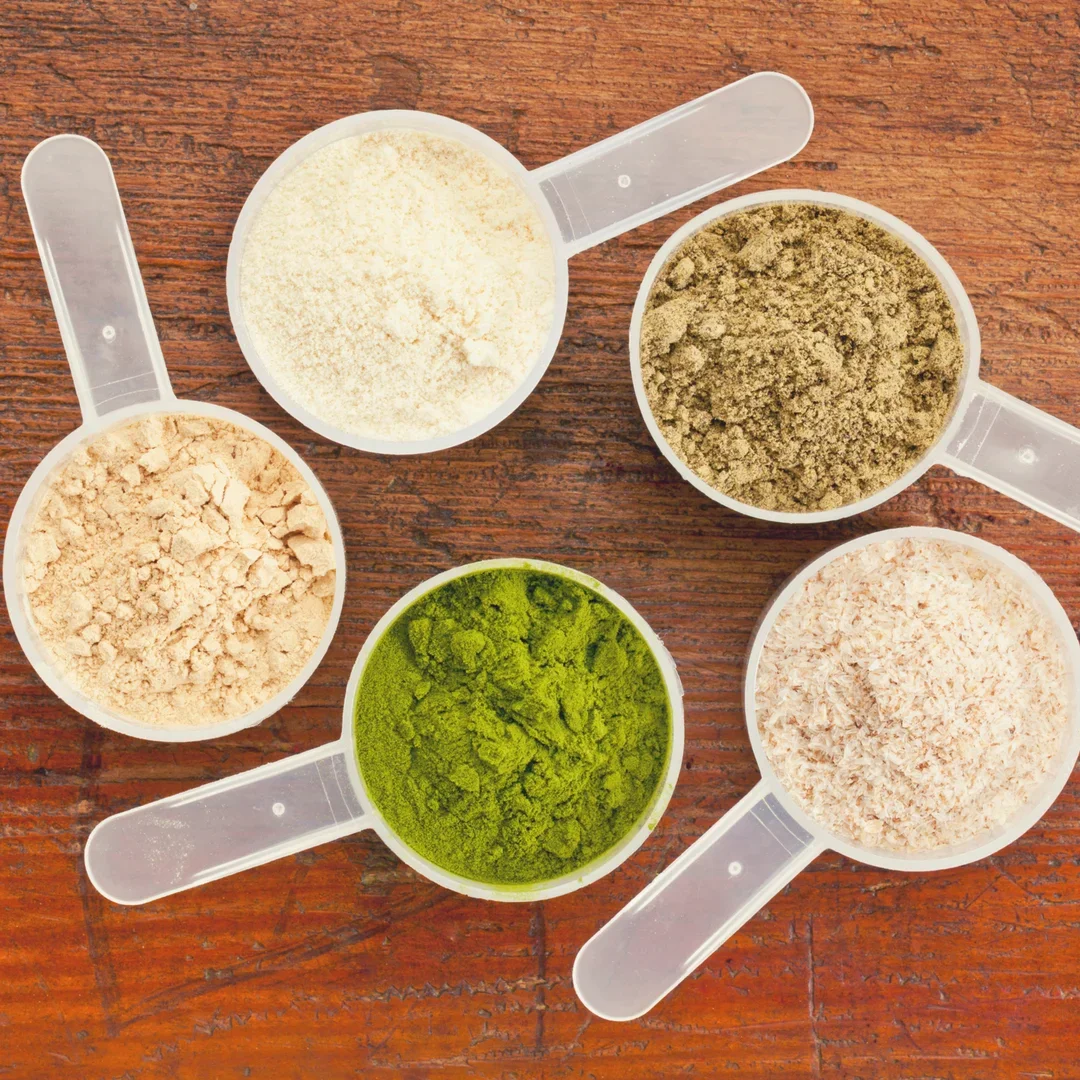
Foods That Boost Collagen Naturally: How to Support Healthy Skin from Within
Collagen supplements are everywhere right now. Powders, drinks, capsules—there’s no shortage of products promising smoother skin and healthier joints. But what exactly is collagen, and is supplementation really necessary?
Collagen is a structural protein made up of amino acids such as glycine, proline, hydroxyproline, and arginine. It’s found in skin, muscles, connective tissue, and bones, and it plays a critical role in maintaining strength, elasticity, and hydration in the skin.
Our bodies naturally produce collagen, but production slows with age. Sun exposure, stress, poor diet, and environmental factors can also contribute to collagen breakdown.
The good news? One of the most effective ways to support collagen production naturally is through nutrition.
Eating foods rich in key vitamins, minerals, and antioxidants gives your body the building blocks it needs to produce and protect collagen.
Let’s look at some of the best nutrients and foods that help support healthy skin naturally.

Eat Your Sunscreen: Foods That Support Skin in the Sun
“Eat your sunscreen” sounds a little strange at first. And to be clear, we are not suggesting that you stop using sunscreen—protecting your skin from excessive sun exposure is extremely important. Sunscreen, protective clothing, and shade are still essential tools for skin health.
But what many people don’t realize is that nutrition also plays a role in how the body supports and repairs skin exposed to sunlight. Certain vitamins, antioxidants, and plant compounds help the body manage oxidative stress caused by UV exposure and support healthy skin from the inside out.
Think of it this way: sunscreen protects the outside of your skin, while nutrition helps support your skin from within.

Pineapple Benefits for Skin, Inflammation, and Immune Health
When you think of pineapple, you probably think of tropical beaches and fresh summer smoothies.
But this bright, golden fruit offers more than vacation vibes.
Pineapple contains powerful plant compounds that support:
• Healthy inflammation response
• Skin recovery
• Immune function
• Collagen support
• Post-exercise recovery
Let’s take a closer look at why pineapple deserves a place in your kitchen — and possibly your skincare conversations.