
Matcha: What It Is, Benefits, and How to Use It
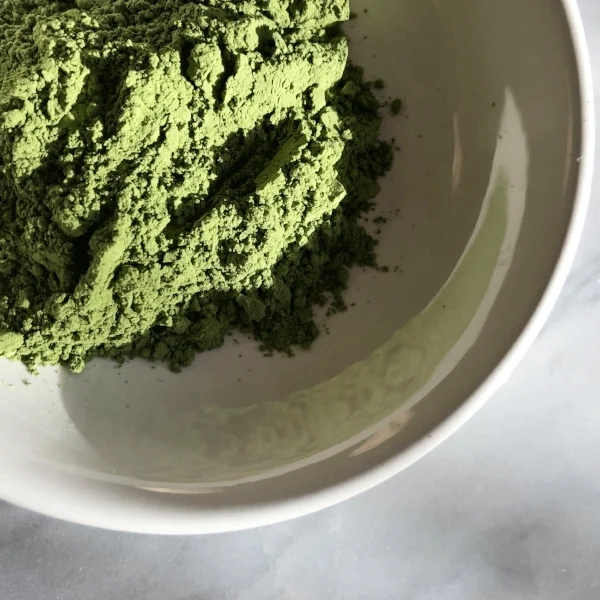
Matcha has become a staple in wellness routines — but what exactly is it, and is it really different from regular green tea?
As a pharmacist, I always encourage looking beyond trends and understanding what we’re actually consuming.
Let’s break it down.
What Is Matcha?
Matcha is a finely ground powder made from specially grown green tea leaves.
Unlike traditional green tea where leaves are steeped and removed, matcha involves consuming the entire tea leaf in powdered form.
Before harvest, matcha tea plants are shaded for several weeks. This increases chlorophyll production and alters the plant’s amino acid content, contributing to its vibrant green color and smooth flavor.
After harvesting, the leaves are:
• Steamed
• Dried
• Aged briefly
• Stone-ground into a fine powder
Interestingly, “matcha” literally translates to “powdered tea.”
Is Matcha Different from Green Tea?
Yes.
Because you consume the whole leaf, matcha typically provides a more concentrated source of naturally occurring plant compounds compared to steeped green tea.
These include:
• Catechins (a type of antioxidant)
• Chlorophyll
• L-theanine
• Naturally occurring caffeine
Potential Benefits of Matcha
Matcha has been widely studied for its antioxidant content, particularly a catechin called EGCG (epigallocatechin gallate).
Research has explored the role of these compounds in:
• Supporting the body’s normal inflammatory response
• Combating oxidative stress
• Supporting overall cellular health
Oxidative stress is a natural process in the body, but when unbalanced, it may contribute to inflammation and aging. Antioxidant-rich foods and beverages help support balance.
Matcha and Energy: Why It Feels Different
Many people report that matcha provides a smoother, more sustained energy compared to coffee.
This may be due to the presence of L-theanine, a naturally occurring amino acid that has been studied for its calming properties.
L-theanine may help promote alertness without the jittery sensation sometimes associated with caffeine alone.
Because matcha contains both caffeine and L-theanine, it tends to feel more balanced.
Matcha and Inflammation
Like other green tea varieties, matcha contains compounds that researchers have studied for their potential anti-inflammatory properties.
While matcha is not a treatment for inflammatory conditions, incorporating antioxidant-rich beverages into a balanced diet may help support overall wellness.
If you’re interested in other anti-inflammatory foods, you may also enjoy our Golden Milk recipe, which highlights turmeric — another plant studied for its anti-inflammatory compounds.
How to Use Matcha
Matcha can be:
• Whisked into hot water for a traditional tea
• Blended into smoothies
• Added to baked goods
• Used in lattes
• Incorporated into desserts
Quality matters. Look for:
• Bright green color
• Smooth texture
• No added fillers
• Culinary vs ceremonial grade depending on use
Simple Matcha Mug Cake Recipe
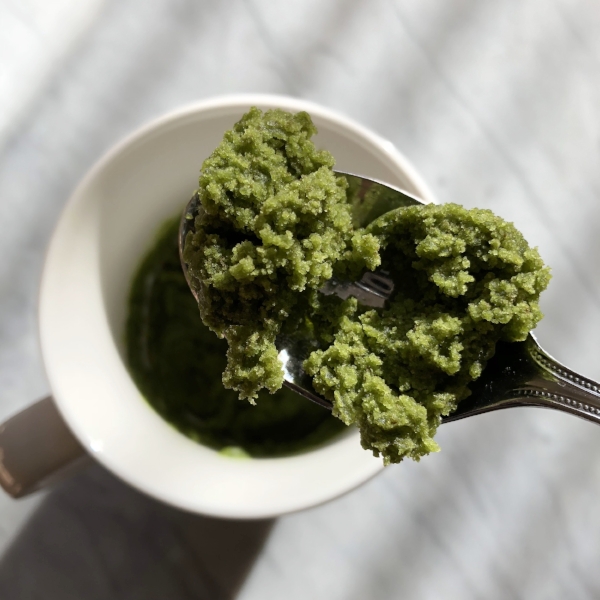
Here’s one of our favorite easy matcha treats:
INGREDIENTS:
4 tbsp all-purpose flour
1 tsp high-quality matcha powder
1/4 tsp baking powder
1 tbsp sugar (adjust to taste)
3 tbsp milk
1/2 tbsp oil
DIRECTIONS
Whisk dry ingredients together until smooth and lump-free.
Add milk and oil. Mix until batter is uniform.
Microwave for about 1 minute.
Let cool slightly before enjoying.
Is Matcha Right for Everyone?
Matcha does contain caffeine. Individuals who are sensitive to caffeine, pregnant, or managing certain medical conditions should consult their healthcare provider before significantly increasing intake.
As with all wellness habits, moderation is key.
Frequently Asked Questions
-
A: Matcha and coffee offer different benefits. Matcha contains antioxidants and L-theanine, while coffee contains its own beneficial plant compounds. The “better” option depends on individual tolerance and goals.
-
A: Matcha contains antioxidants that have been studied for their role in supporting the body’s normal inflammatory response. It is not a treatment for inflammatory disease.
-
A: Most people consume 1–2 servings daily. Excessive intake may increase caffeine-related side effects.

About the Author
Janis Covey, PharmD
Compounding pharmacist and founder of Kosmatology, Janis formulates gentle skincare designed for sensitive skin and families. Her work focuses on ingredient transparency, skin barrier support, and simple routines that help skin stay comfortable and healthy. Learn more about her approach to skincare on the About Kosmatology page.