
KOSMATOLOGY BLOG
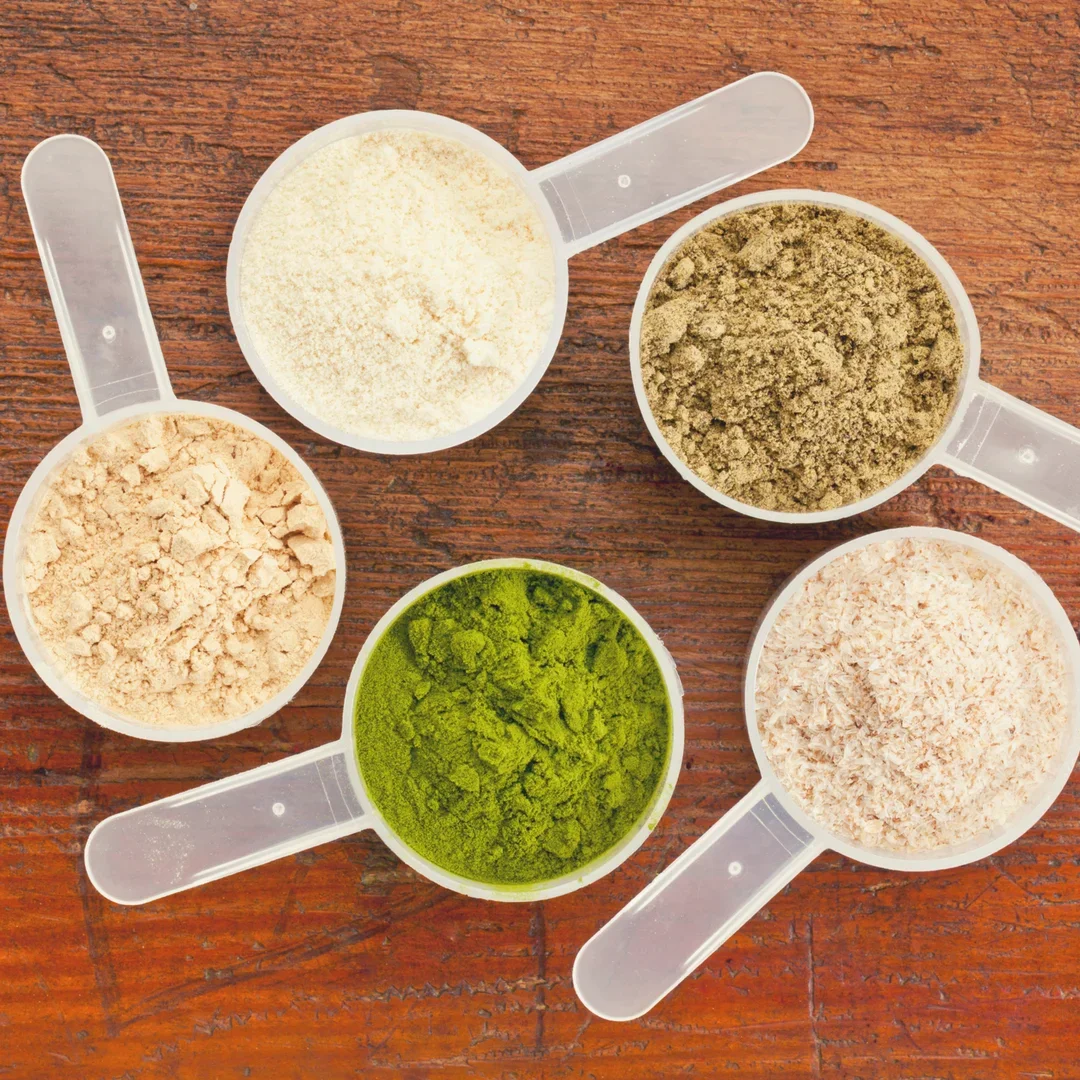
Foods That Boost Collagen Naturally: How to Support Healthy Skin from Within
Collagen supplements are everywhere right now. Powders, drinks, capsules—there’s no shortage of products promising smoother skin and healthier joints. But what exactly is collagen, and is supplementation really necessary?
Collagen is a structural protein made up of amino acids such as glycine, proline, hydroxyproline, and arginine. It’s found in skin, muscles, connective tissue, and bones, and it plays a critical role in maintaining strength, elasticity, and hydration in the skin.
Our bodies naturally produce collagen, but production slows with age. Sun exposure, stress, poor diet, and environmental factors can also contribute to collagen breakdown.
The good news? One of the most effective ways to support collagen production naturally is through nutrition.
Eating foods rich in key vitamins, minerals, and antioxidants gives your body the building blocks it needs to produce and protect collagen.
Let’s look at some of the best nutrients and foods that help support healthy skin naturally.

Eat Your Sunscreen: Foods That Support Skin in the Sun
“Eat your sunscreen” sounds a little strange at first. And to be clear, we are not suggesting that you stop using sunscreen—protecting your skin from excessive sun exposure is extremely important. Sunscreen, protective clothing, and shade are still essential tools for skin health.
But what many people don’t realize is that nutrition also plays a role in how the body supports and repairs skin exposed to sunlight. Certain vitamins, antioxidants, and plant compounds help the body manage oxidative stress caused by UV exposure and support healthy skin from the inside out.
Think of it this way: sunscreen protects the outside of your skin, while nutrition helps support your skin from within.

Pineapple Benefits for Skin, Inflammation, and Immune Health
When you think of pineapple, you probably think of tropical beaches and fresh summer smoothies.
But this bright, golden fruit offers more than vacation vibes.
Pineapple contains powerful plant compounds that support:
• Healthy inflammation response
• Skin recovery
• Immune function
• Collagen support
• Post-exercise recovery
Let’s take a closer look at why pineapple deserves a place in your kitchen — and possibly your skincare conversations.
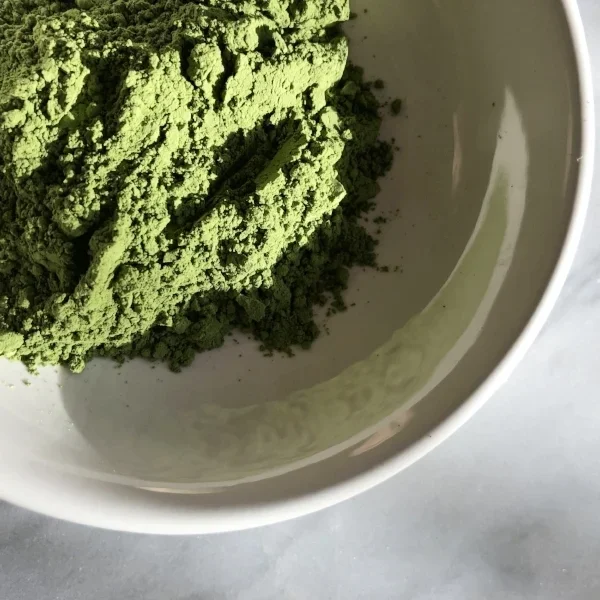
Matcha: What It Is, Benefits, and How to Use It
Matcha has become a staple in wellness routines — but what exactly is it, and is it really different from regular green tea?
As a pharmacist, I always encourage looking beyond trends and understanding what we’re actually consuming.
Let’s break it down.
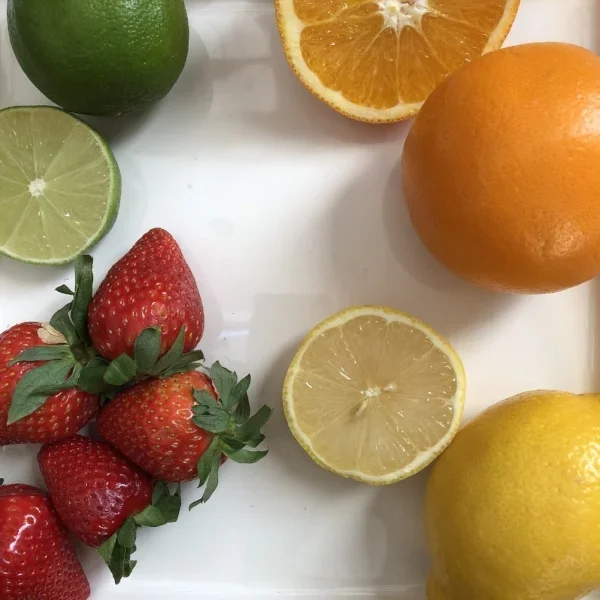
How to Boost Your Immune System Naturally
During cold and flu season, many people look for simple ways to support their immune system and stay well. While no single food or supplement can prevent illness, healthy daily habits play a major role in supporting immune health.
Here are several simple, natural ways to support your immune system.
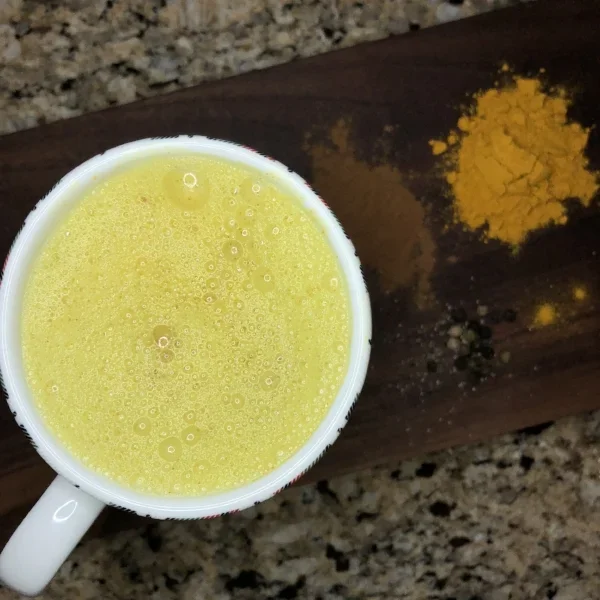
The Benefits of Turmeric and How to Use It Daily
Turmeric has been used for centuries in cooking and traditional wellness practices, and in recent years it has become one of the most talked-about spices in the world of natural health. Known for its vibrant golden color and warm flavor, turmeric is often used in curries, teas, and comforting drinks like golden milk.
Many people look for natural ways to support their immune system, especially during cold and flu season. While no single food can prevent illness, incorporating nutrient-rich ingredients like turmeric into a balanced diet can help support overall wellness.
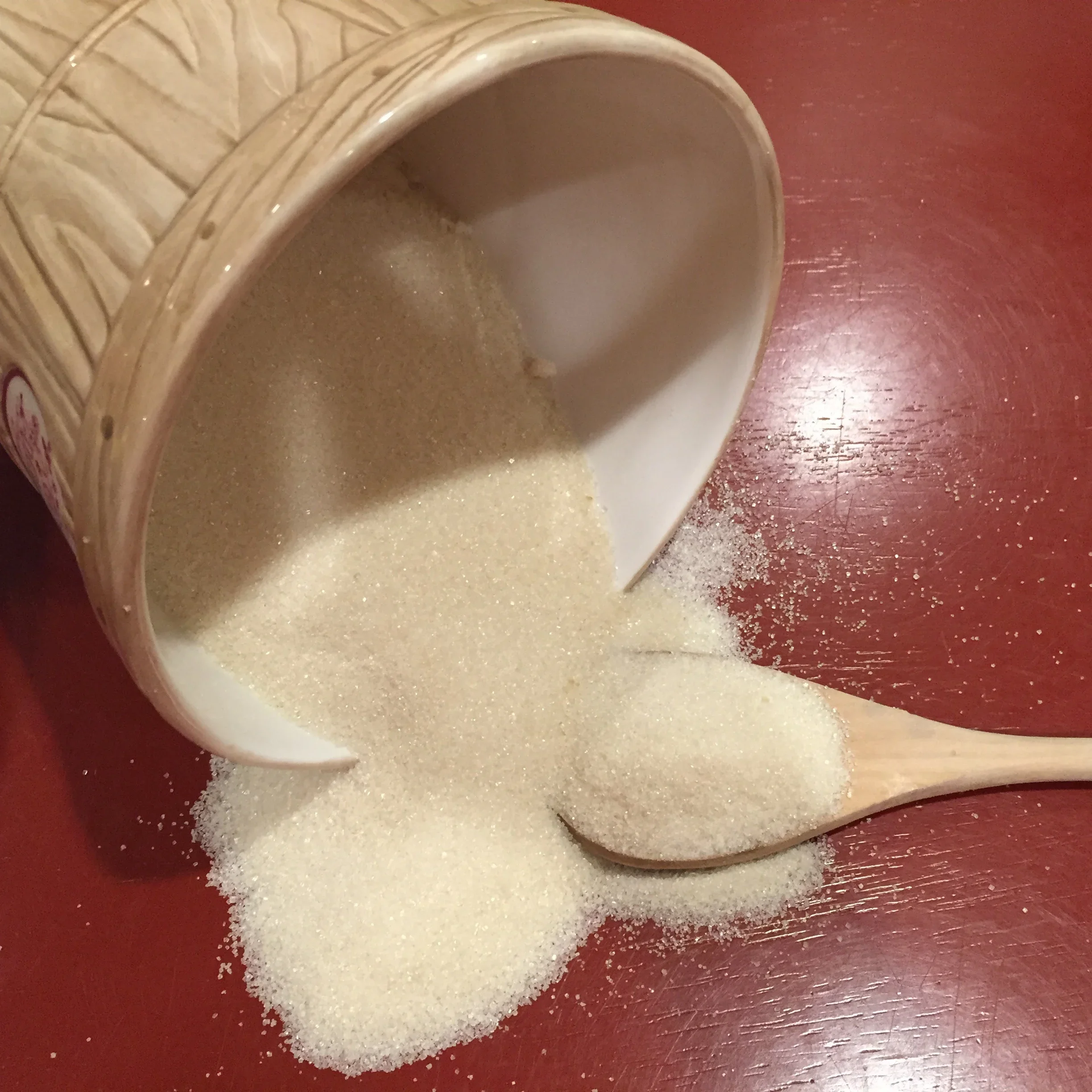
Sugar and Skin Aging: How Glycation Affects Collagen
We often hear that sun exposure, smoking, and dehydration contribute to premature skin aging. But another factor that receives less attention is dietary sugar.
Emerging research suggests that high sugar intake may contribute to visible skin aging through a natural biochemical process known as glycation.
Let’s break down what that means — and what you can do about it.