
KOSMATOLOGY BLOG
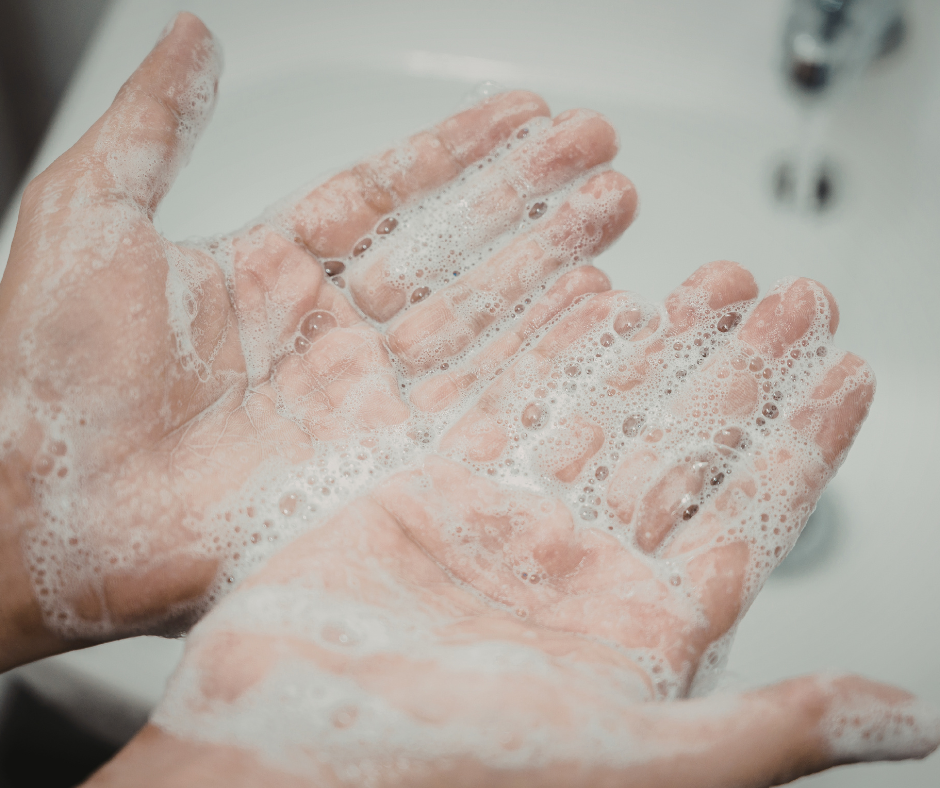
Why Does Hand Soap Dry Out Your Hands? Causes and How to Prevent It
Handwashing is essential for preventing the spread of germs, but if your hands feel dry, tight, or irritated afterward, your hand soap may be part of the problem.
Soap removes dirt and oils from the skin, but some formulas can also remove too much of the natural oil that helps protect the skin barrier. Frequent handwashing can make that dryness even more noticeable.
As a pharmacist and skincare formulator, I believe you shouldn't have to choose between clean hands and comfortable skin. Understanding why soap dries out your hands can help you choose a gentler cleanser and make a few simple changes to protect your skin barrier.

Sensitive Skin: Signs, Causes & How to Build a Gentle Skincare Routine
Sensitive skin affects millions of people and is often linked to a weakened skin barrier. This complete guide explains what causes sensitive skin, common triggers to avoid, and how to build a gentle skincare routine that supports long-term skin health.
Sensitive skin is incredibly common — and often misunderstood.
As a compounding pharmacist and founder of Kosmatology, I began formulating gentle skincare when my infant daughter developed eczema. What I learned through research, formulation, and years of working with sensitive skin families is this:
Sensitive skin isn’t weak.
It’s reactive and it needs support, not aggression.
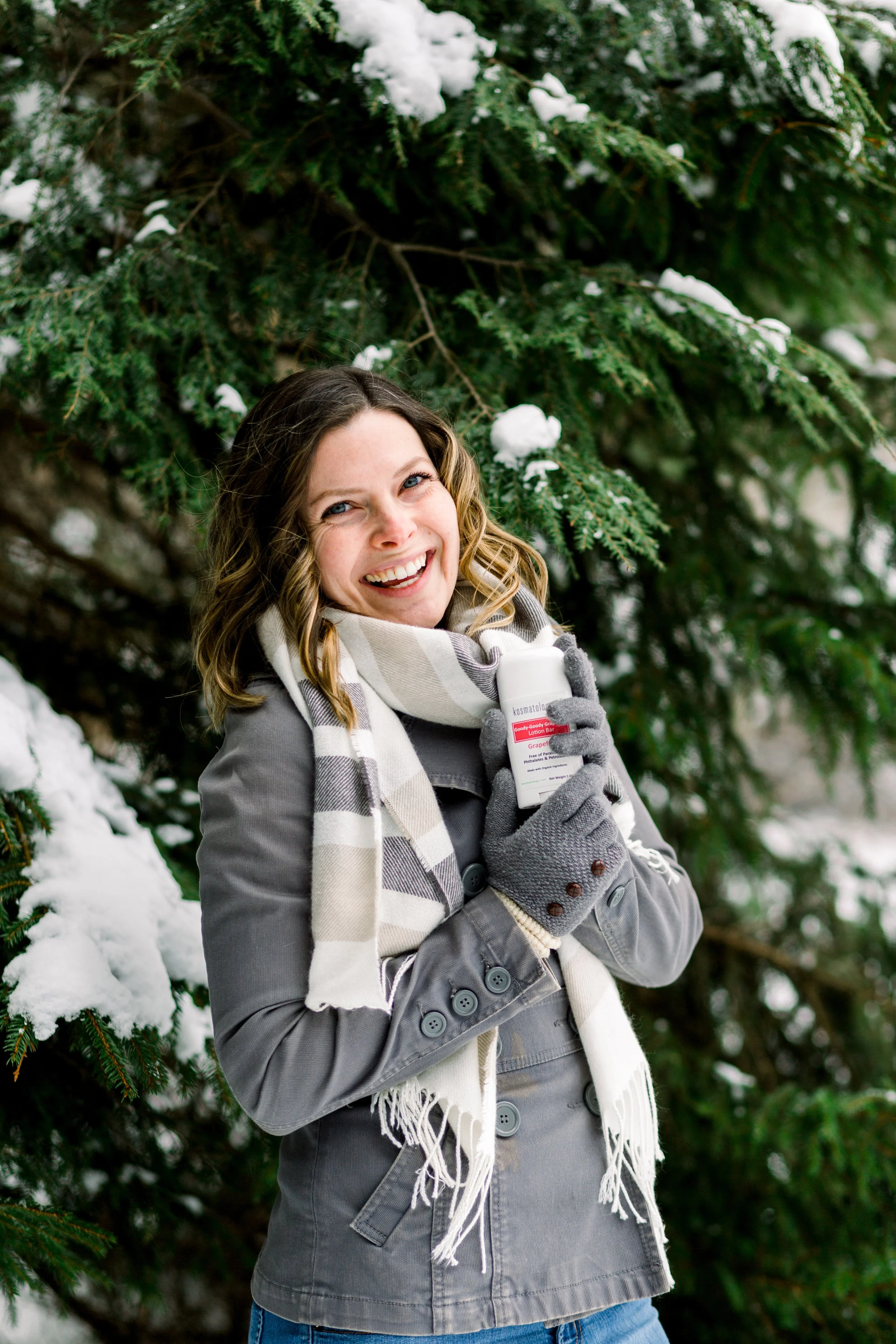
Why Winter Makes Sensitive Skin Worse
Winter can be especially challenging for sensitive skin. As temperatures drop and humidity levels fall, many people notice increased dryness, irritation, redness, and flare-ups that weren’t present during warmer months. If your skin feels tighter, more reactive, or harder to manage in winter, there’s a reason — and it has everything to do with your skin barrier.
Understanding why winter worsens sensitive skin can help you take the right steps to protect it and keep your skin comfortable all season long.
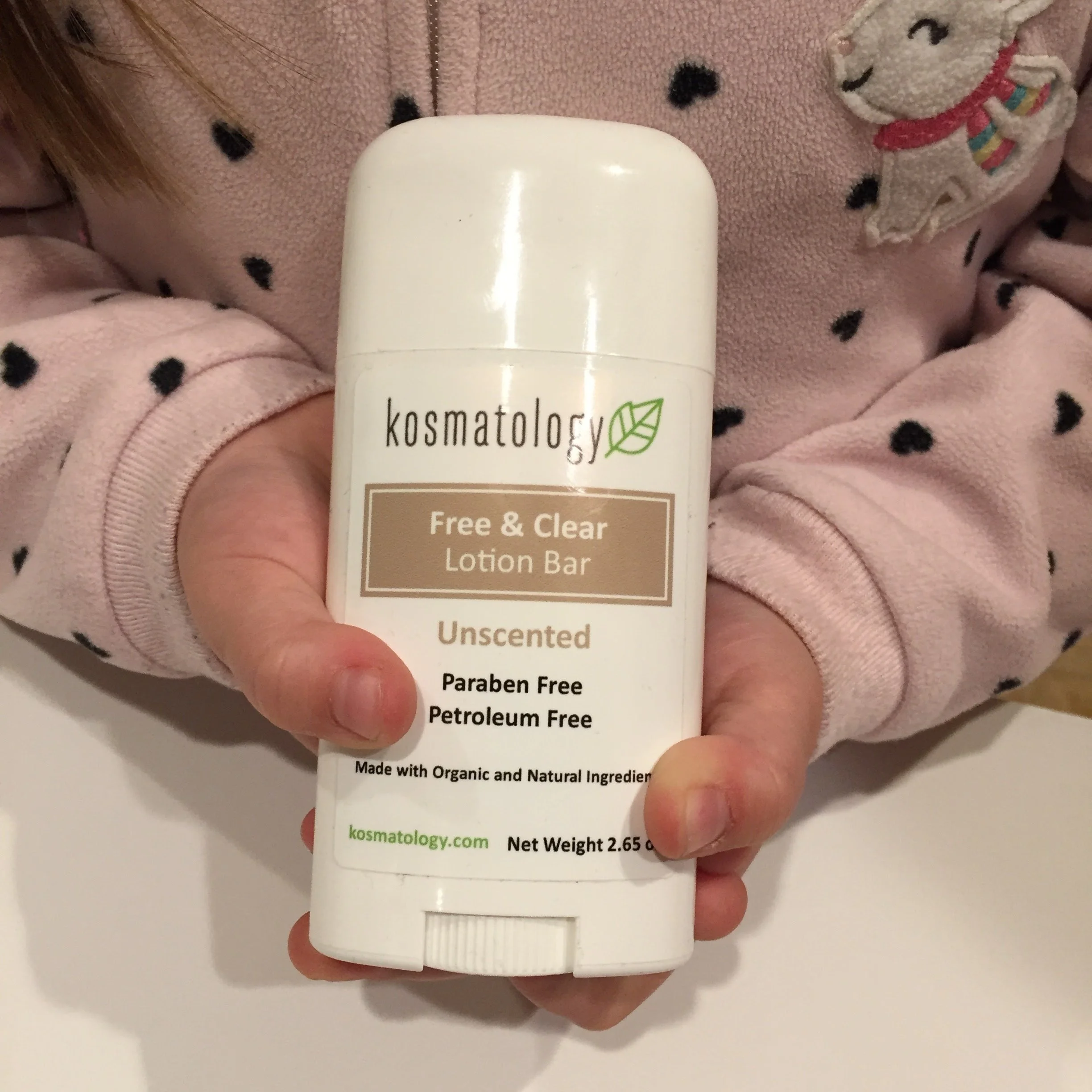
Why Lotion Bars Are the Best Moisturizer for Kids
Parents know how important it is to keep their child’s skin healthy and hydrated—but getting kids to actually use lotion can sometimes be a challenge. Between the cold shock of liquid lotion, messy spills, and kids who don’t want to sit still, moisturizing often turns into a struggle.
That’s where lotion bars for kids can make a big difference.
Lotion bars are solid moisturizers made with nourishing plant oils and waxes. Instead of squeezing lotion from a bottle, the bar melts slightly with body heat and glides onto the skin. This simple format makes moisturizing easier, cleaner, and often much more appealing for children.
For families dealing with dry skin, sensitive skin, or eczema-prone skin, lotion bars can be an especially helpful option.

Understanding Dry Skin: Causes, Prevention, and How to Restore Your Skin Barrier
Dry skin is one of the most common skincare concerns people experience. It often appears as tight, rough, flaky, or irritated skin, and while it may seem like a minor inconvenience, persistent dryness can signal a weakened skin barrier.
Some people only experience dry skin during the winter months, while others struggle with it year-round. Understanding why dry skin happens and how to support your skin barrier is the first step toward keeping skin comfortable and healthy.

How to Repair a Damaged Skin Barrier (Signs + Natural Repair Tips)
Your skin is your body’s largest organ, and its outermost layer, known as the skin barrier, plays a critical role in protecting you from the outside world. This protective layer, also called the stratum corneum, acts as your skin’s first line of defense against environmental pollutants, UV radiation, bacteria, and irritants.
The skin barrier also helps retain moisture, keeping skin hydrated, comfortable, and resilient. When the skin barrier becomes damaged or weakened, moisture escapes more easily and irritants can penetrate the skin, which can lead to dryness, redness, irritation, and increased skin sensitivity.
Supporting and repairing the skin barrier is one of the most important steps for maintaining healthy, balanced skin, especially for people with sensitive or eczema-prone skin.

Natural Remedies for Sunburn: How to Soothe and Support Skin Recovery
As we bask in the sunny days, many of us are eager to enjoy the warmth and light. However, it's easy to overdo it and end up with a painful sunburn, which can lead to unsightly peeling. Proper after-sun care is crucial to alleviate the discomfort and support the healing process.
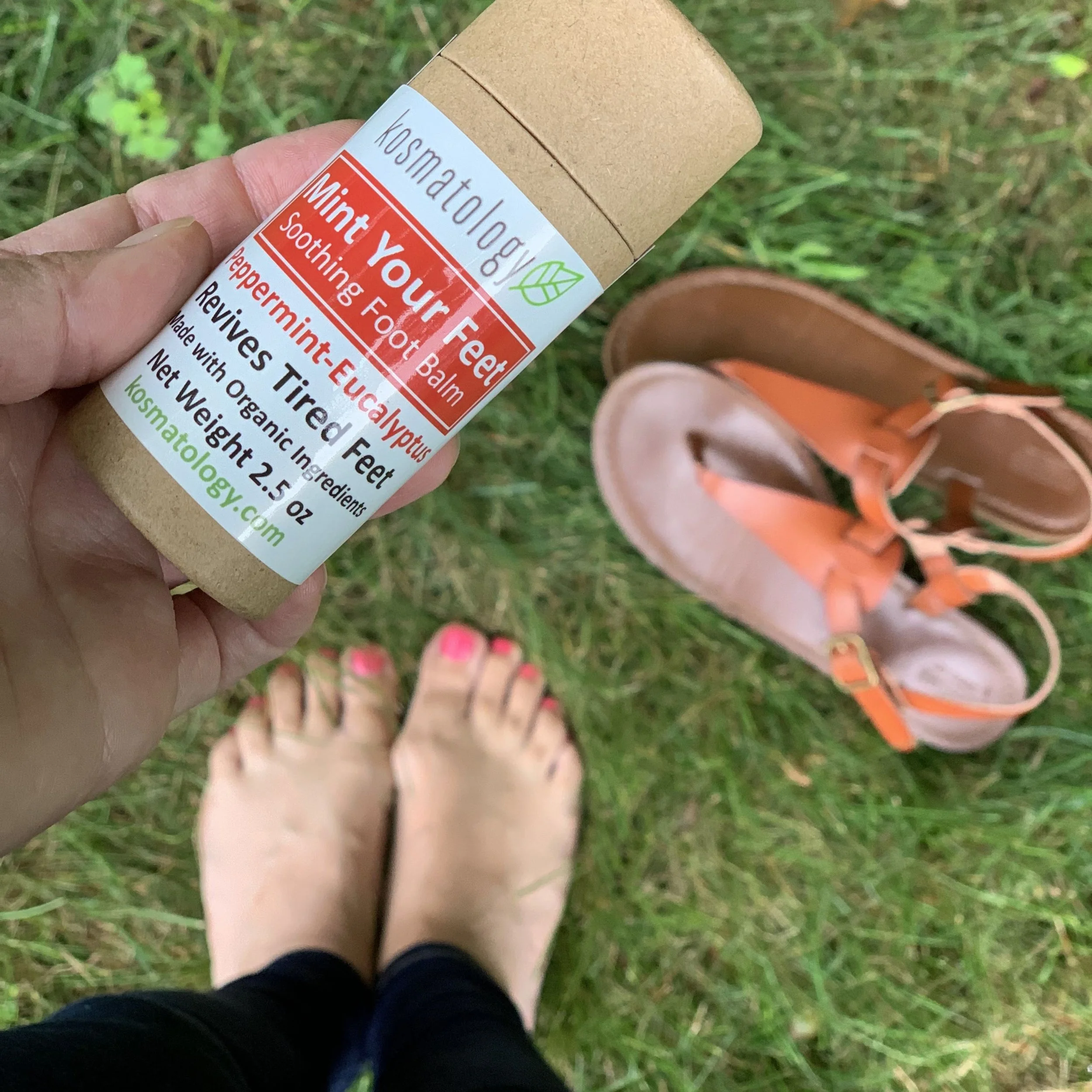
How to Remove Dead Skin from Feet (And Prevent Cracked Heels)
With sandal season approaching, many people start paying closer attention to their feet. Dry skin, rough patches, and dead skin buildup on the feet are very common—and they can make even the most comfortable pair of sandals feel less appealing.
The good news is that most cases of dry feet and dead skin buildup can be managed at home with a simple routine that focuses on softening, exfoliating, and moisturizing the skin.
Understanding what causes dry feet can help you prevent the problem before it starts.

Best Body Wash for Eczema, Dermatitis, and Sensitive Skin: A Complete Guide
If you have eczema, dermatitis, or sensitive skin, choosing the right skincare products can make a significant difference in daily comfort. Many cleansers contain ingredients that can strip natural oils or irritate already sensitive skin, which is why many people search for the best body wash for eczema, dermatitis, sensitive or dry skin.
Many dermatologists recommend gentle cleansers designed for sensitive skin because harsh detergents and synthetic fragrance can weaken the skin barrier and worsen irritation. Understanding how cleansers affect the skin barrier and what ingredients to look for can help you make better choices and support healthier skin over time.

Summer Skincare Tips: Why Your Skin Still Needs Moisturizer in Hot Weather
When summer arrives, many people assume they can skip moisturizer. With higher humidity, warm temperatures, and more time outdoors, it seems like skin should stay hydrated naturally.
But here’s something many people don’t realize: air conditioning, sun exposure, and frequent showering can actually dry out your skin during the summer months. Even in humid climates, these factors can affect the skin barrier and lead to dryness, irritation, or dull-looking skin.
If you spend a lot of time indoors in air-conditioned spaces, your skin may be losing moisture more quickly than you think.
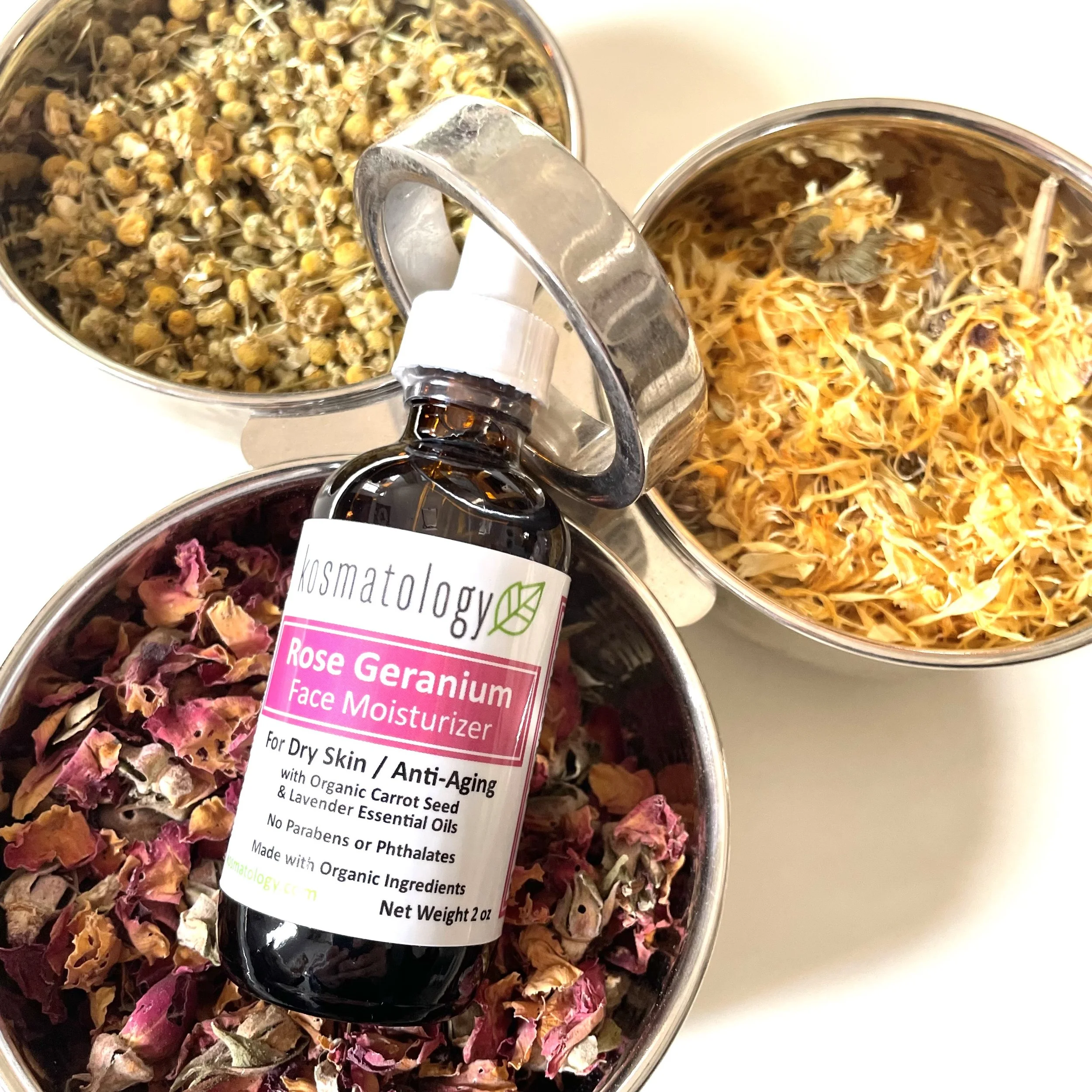
Why Face Oils Are Good for Your Skin (And How to Use Them)
Many people hesitate to use oil on their face. A common concern is that oils will make skin greasy, clog pores, or cause breakouts. But when the right plant-based oils are used properly, facial oils can be one of the most effective and gentle ways to support healthy, balanced skin.
Understanding how facial oils work can help you choose the right moisturizer for your skin type and routine.