
Why Does Hand Soap Dry Out Your Hands? (And the Best Soap for Sensitive Skin)
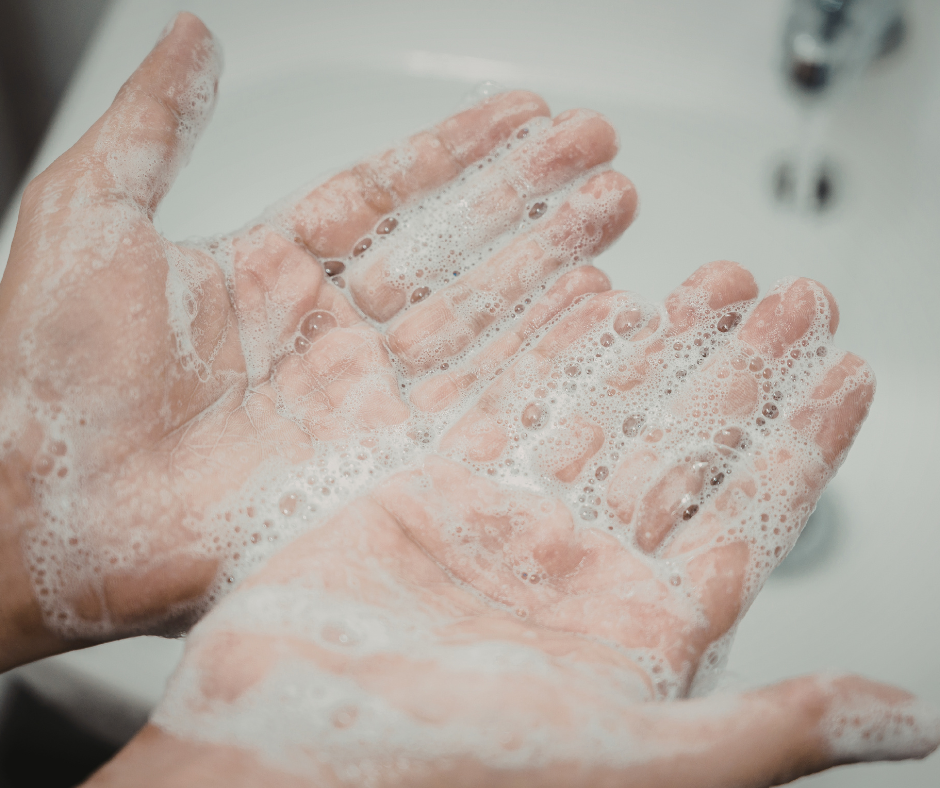
Handwashing is one of the most important habits for preventing the spread of germs. But many people notice something uncomfortable after washing their hands—dry, tight skin caused by hand soap that strips the skin’s natural oils. For people with sensitive skin, this effect can be even more noticeable.
If this happens to you, you’re not imagining it. Many common hand soaps can strip away the skin’s natural protective oils, leaving the skin barrier vulnerable to dryness and irritation.
Understanding why hand soap can dry out your hands can help you choose gentler products and protect your skin.
Many people notice their hands feeling tight or irritated after washing and search for why hand soap dries out the skin. In many cases, the issue is not handwashing itself, but cleansers that strip the skin’s natural oils and weaken the skin barrier.
Why Does Hand Soap Dry Out Your Hands? Causes and How to Prevent Dry Skin
Hand soap can dry out your hands because many formulas remove not only dirt and bacteria but also the natural oils that protect the skin barrier. When these oils are stripped away, moisture escapes more easily and the skin may feel tight, rough, or irritated. Frequent handwashing can make this effect more noticeable over time. Understanding what causes dry skin can help you protect the skin barrier and prevent irritation.
How Hand Soap Cleans Your Skin
Soap works by lifting dirt, oil, and bacteria from the surface of the skin so they can be rinsed away with water. This happens because soaps contain ingredients called surfactants, which help break down oils and debris.
While this cleansing action is essential for hygiene, some soaps remove too much oil, including the natural lipids that help keep the skin barrier healthy.
When these protective oils are stripped away, the skin barrier becomes weaker and moisture escapes more easily. This can lead to symptoms such as:
• tightness
• dryness
• rough texture
• redness or irritation
For people who wash their hands frequently—whether for work, childcare, or general hygiene—this effect can happen many times throughout the day.
What Is the Skin Barrier?
The skin barrier is the outermost layer of the skin. It acts like a protective shield that helps:
• retain moisture
• block irritants
• defend against environmental stress
When the barrier is healthy, skin stays soft, comfortable, and resilient.
However, harsh cleansers, frequent washing, and exposure to irritating ingredients can weaken the barrier over time. When this happens, skin may become more reactive and prone to dryness.
If your skin often becomes irritated or uncomfortable after washing, it may be a sign of sensitive or reactive skin. Our Sensitive Skin Guide explains how the skin barrier works and how to support it.
Ingredients in Hand Soap That Can Contribute to Dryness
Not all soaps are created equally. Some formulas are designed primarily for strong cleansing power or long shelf life rather than skin comfort.
Certain ingredients commonly found in hand soaps may contribute to dryness or irritation. Many commercial soaps are formulated primarily for cost and durability. We explore this further in our article about what’s really in public restroom hand soap.
Harsh Surfactants: Some soaps rely on strong cleansing agents that remove oil very effectively. While these ingredients clean well, they can also strip away the natural lipids that protect the skin barrier.
Synthetic Fragrance: Fragrance is one of the most common causes of skin irritation and allergic reactions in personal care products. For people with sensitive or eczema-prone skin, fragrance can trigger redness, itching, or dryness.
Artificial Dyes: Colorants added to soaps serve no functional purpose but may increase the risk of irritation for sensitive skin.
Preservatives and Additives: Some preservatives used to extend shelf life may cause irritation for certain individuals, especially when hands are washed repeatedly throughout the day.
If you're interested in learning more about common irritants, our guide to ingredients to avoid in skincare explains which ingredients many people with sensitive skin choose to avoid.
If you want a quick way to recognize common irritants while shopping, download our Sensitive Skin Ingredient Checklist, which highlights ingredients many people with sensitive skin choose to avoid.
Can Hand Soap Cause Eczema or Skin Irritation?
For some people, certain hand soaps can contribute to skin irritation or eczema flare-ups, especially when hands are washed frequently throughout the day.
Harsh ingredients such as strong surfactants, synthetic fragrance, and certain preservatives can strip the skin’s natural oils and weaken the skin barrier. When the barrier becomes compromised, moisture escapes more easily and the skin becomes more vulnerable to irritation.
This can lead to symptoms such as:
• dryness
• redness
• itching
• cracking or peeling skin
People with sensitive or eczema-prone skin are often more affected because their skin barrier is already more reactive. Using gentle cleansers and avoiding common irritants can help reduce the likelihood of irritation.
If your hands frequently become dry, tight, or itchy after washing, switching to milder hand soaps designed for sensitive skin may help support the skin barrier and improve comfort.
Why Natural Glycerin Matters in Hand Soap
During traditional soap making, a naturally occurring ingredient called glycerin is created. Glycerin is a powerful humectant, meaning it attracts moisture to the skin and helps keep it hydrated.
However, in many large-scale commercial soap manufacturing processes, glycerin is removed and sold separately for use in other cosmetic products. Without this naturally occurring glycerin, soap can feel more drying on the skin.
At Kosmatology, we do not remove the natural glycerin produced during the soap making process. Keeping this glycerin in the formula helps support skin hydration and makes the soap feel gentler during frequent handwashing.
This is one of the reasons many people find that thoughtfully formulated soaps feel less drying than typical commercial hand soaps.
Why Frequent Handwashing Makes Dryness Worse
Handwashing is essential for health, but our hands experience a lot throughout the day.
They are exposed to:
• repeated washing
• temperature changes
• environmental stress
• hand sanitizers
• cleaning products
Each wash removes some of the skin’s natural oils. Without restoring moisture afterward, the skin barrier may struggle to recover.
Over time, this can lead to:
• cracked skin
• peeling
• rough texture
• increased sensitivity
This is why many people notice their hands becoming especially dry during cold weather or during periods when they are washing their hands more frequently.
How to Prevent Dry Hands From Frequent Handwashing
The good news is that small changes can make a big difference in how your hands feel.
Choose Gentle Hand Soaps: Look for hand soaps designed for sensitive skin that cleanse effectively without relying on harsh detergents, heavy fragrance, or unnecessary additives.
Moisturize After Washing: Applying moisturizer after washing helps restore the skin barrier and lock in hydration.
Avoid Very Hot Water: Hot water can strip oils from the skin more quickly. Warm water is usually sufficient for effective handwashing.
Keep Your Routine Simple: Using fewer products with simpler ingredient lists can help reduce the risk of irritation.
People with sensitive or reactive skin often search for the best hand soap for dry hands, which usually means choosing formulas designed to cleanse gently without stripping the skin barrier.
What Is the Best Hand Soap for Dry or Sensitive Skin?
Many dermatologists recommend choosing a gentle hand soap for dry or sensitive skin that cleans effectively without stripping the skin’s natural oils. Many people specifically look for soap that doesn’t dry out their hands, which usually means choosing formulas designed to support the skin barrier rather than strip away natural oils.
Look for hand soaps that:
• use mild cleansing ingredients instead of harsh detergents
• avoid synthetic fragrance, which can trigger irritation for sensitive skin
• support the skin barrier rather than stripping natural oils
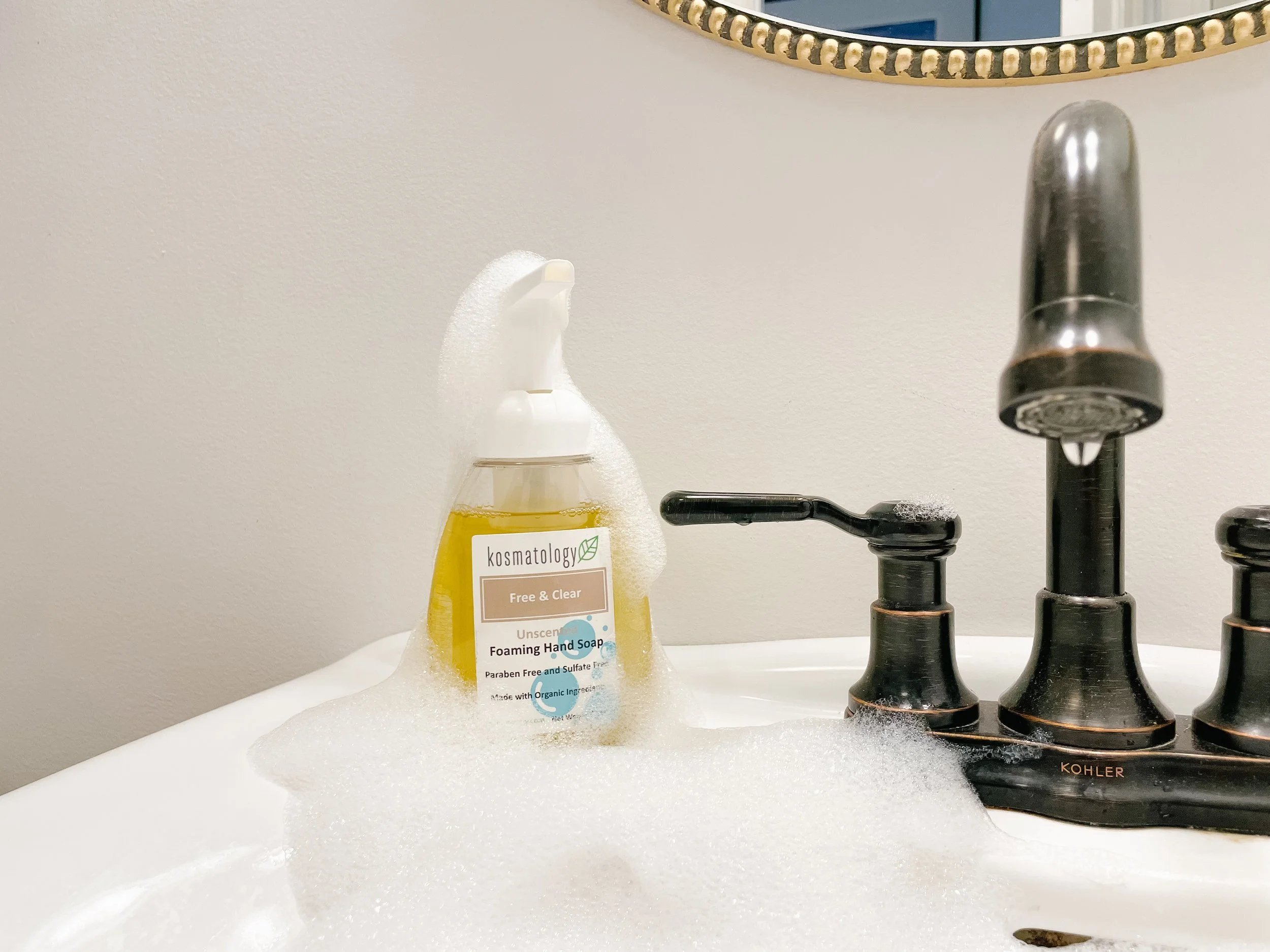
Choosing the right hand soap can make a significant difference for people who experience dry hands from frequent washing. Foaming hand soaps designed for sensitive skin can cleanse effectively while helping maintain the skin’s natural moisture balance. Our Kosmatology Foaming Hand Soap was formulated as a gentle hand soap for dry and sensitive hands, cleansing effectively without harsh detergents or synthetic fragrance.
Supporting the Skin Barrier
If you wash your hands frequently, supporting the skin barrier becomes especially important.
Consistent moisture helps replenish the natural lipids that keep skin comfortable and resilient. Barrier-supporting ingredients help reduce dryness and prevent the tight feeling many people experience after washing.
Our lotion bars were designed to provide deep moisture without unnecessary irritants, making them a convenient option for restoring moisture after frequent handwashing.
Gentle Handwashing Matters
Clean hands are essential—but that doesn’t mean your skin has to suffer.
Choosing gentle cleansers, avoiding unnecessary irritants, and moisturizing regularly can help maintain healthy skin even with frequent handwashing.
When the skin barrier is supported, your hands can stay clean, comfortable, and resilient.
Frequently Asked Questions About Hand Soap and Dry Skin
-
A: Many soaps use strong surfactants designed to remove oils and dirt. While effective at cleaning, these ingredients can also strip the skin’s natural oils, leaving hands feeling dry or tight.
-
A: Not necessarily. The drying effect depends more on the ingredients used than the format of the soap. Gentle formulas that support the skin barrier can be less drying.
-
A: Using a gentle cleanser, avoiding very hot water, and applying moisturizer regularly can help maintain the skin’s moisture balance.
-
A: Harsh surfactants, synthetic fragrance, and certain preservatives can sometimes irritate sensitive skin. Choosing gentle formulations can help reduce irritation.

About the Author
Janis Covey, PharmD
Compounding pharmacist and founder of Kosmatology, Janis formulates gentle skincare designed for sensitive skin and families. Her work focuses on ingredient transparency, skin barrier support, and simple routines that help skin stay comfortable and healthy. Learn more about her approach to skincare on the About Kosmatology page.
Related Reading
You may also enjoy:
• What’s Really in Public Restroom Hand Soap (The Pink Stuff)
• The Complete Sensitive Skin Guide
• Ingredients to Avoid in Skincare
• Why Fragrance-Free Skincare Matters