
KOSMATOLOGY BLOG

Natural Ways to Reduce Seasonal Allergy Symptoms
Warmer weather brings blooming trees, longer days, and more time outdoors — but for many people, it also brings seasonal allergies.
Sneezing, congestion, sinus pressure, and itchy eyes are common during peak pollen months. While antihistamines and other medications are widely available, many individuals also look for natural ways to reduce seasonal allergy symptoms and support overall comfort during times of increased environmental exposure.
Although natural approaches do not replace medical treatment when needed, small daily habits can help reduce allergen exposure and support the body’s balance during seasonal transitions.

Pineapple Benefits for Skin, Inflammation, and Immune Health
When you think of pineapple, you probably think of tropical beaches and fresh summer smoothies.
But this bright, golden fruit offers more than vacation vibes.
Pineapple contains powerful plant compounds that support:
• Healthy inflammation response
• Skin recovery
• Immune function
• Collagen support
• Post-exercise recovery
Let’s take a closer look at why pineapple deserves a place in your kitchen — and possibly your skincare conversations.
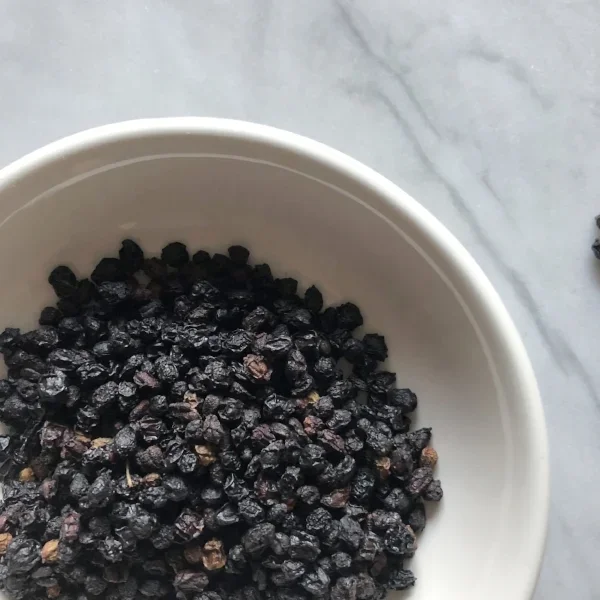
Elderberry Syrup Benefits: How Elderberries Support Immune Health Naturally
Elderberries have been used for generations in traditional herbal practices, especially during cold and flu season. Many people use elderberry syrup as part of their wellness routine to help support the immune system and overall health.
Elderberries are rich in naturally occurring vitamins, antioxidants, and plant compounds that contribute to their long-standing reputation as a seasonal wellness staple.
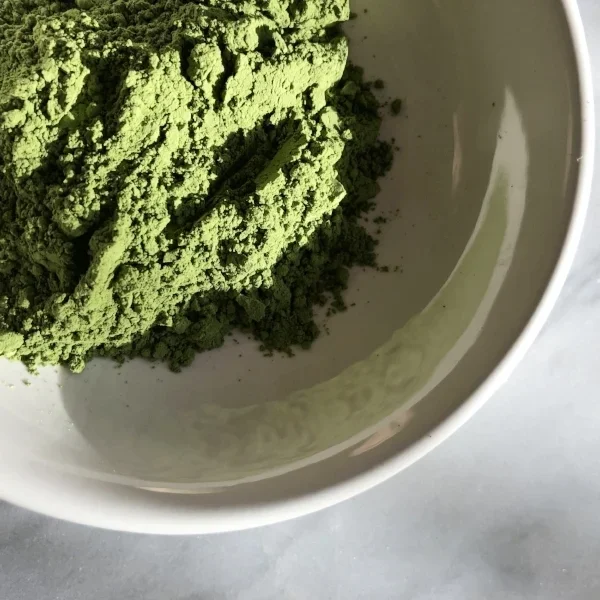
Matcha: What It Is, Benefits, and How to Use It
Matcha has become a staple in wellness routines — but what exactly is it, and is it really different from regular green tea?
As a pharmacist, I always encourage looking beyond trends and understanding what we’re actually consuming.
Let’s break it down.
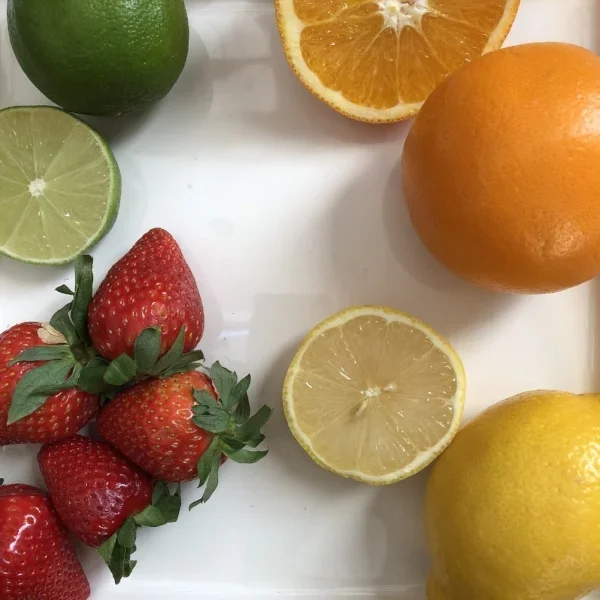
How to Boost Your Immune System Naturally
During cold and flu season, many people look for simple ways to support their immune system and stay well. While no single food or supplement can prevent illness, healthy daily habits play a major role in supporting immune health.
Here are several simple, natural ways to support your immune system.
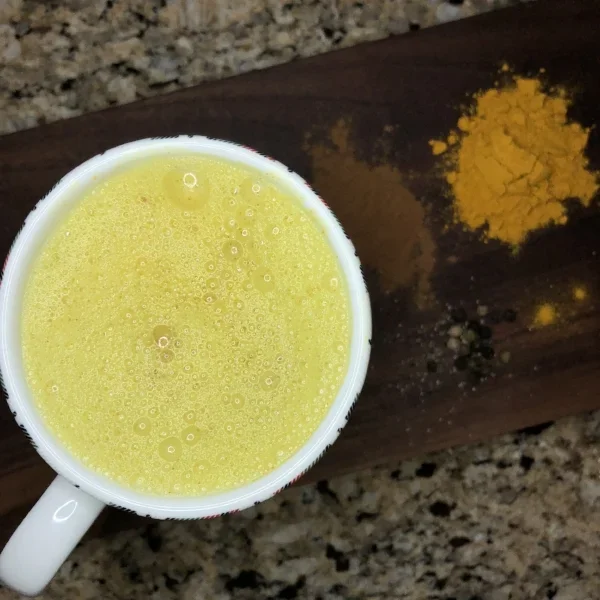
The Benefits of Turmeric and How to Use It Daily
Turmeric has been used for centuries in cooking and traditional wellness practices, and in recent years it has become one of the most talked-about spices in the world of natural health. Known for its vibrant golden color and warm flavor, turmeric is often used in curries, teas, and comforting drinks like golden milk.
Many people look for natural ways to support their immune system, especially during cold and flu season. While no single food can prevent illness, incorporating nutrient-rich ingredients like turmeric into a balanced diet can help support overall wellness.
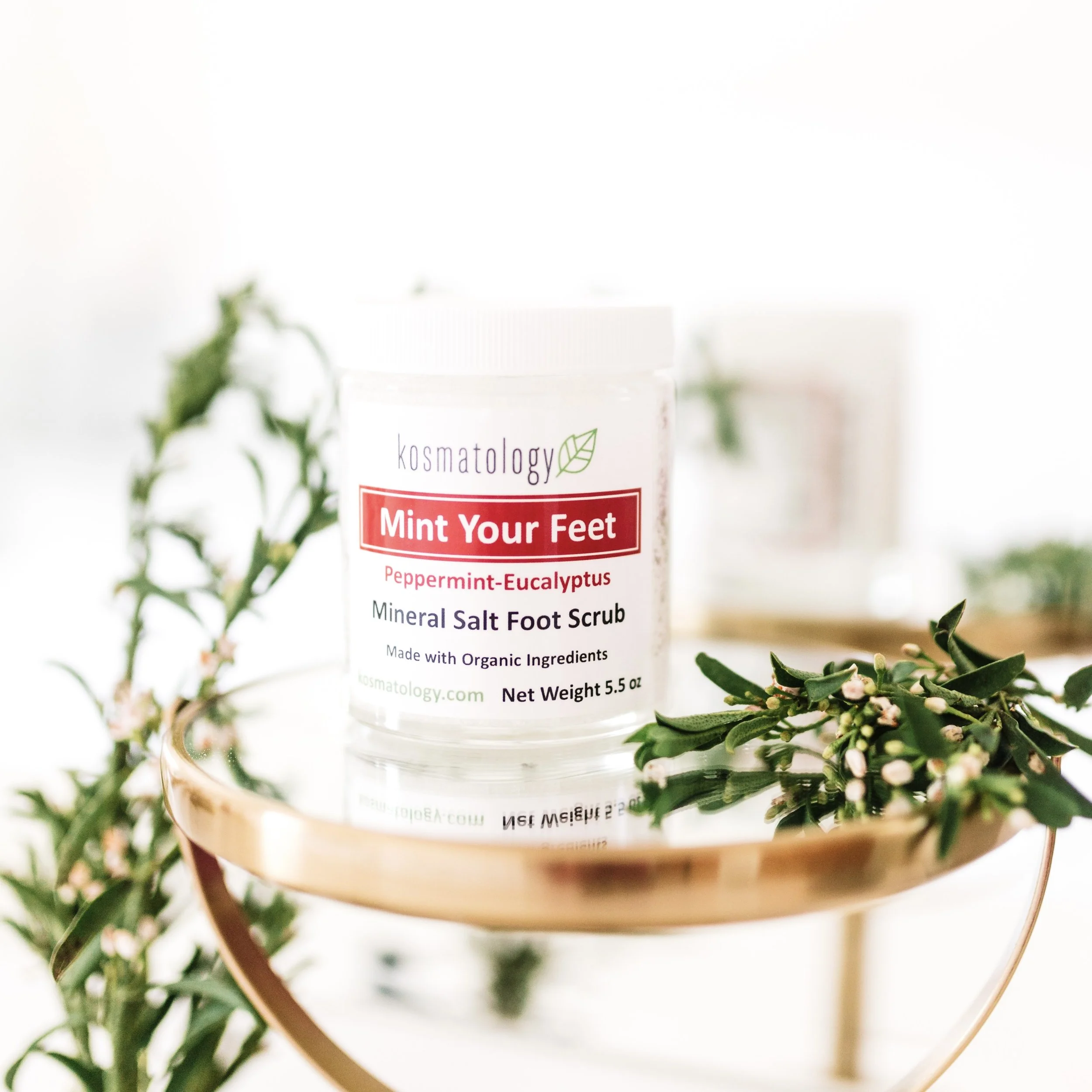
Sugar Scrub vs. Salt Scrub: Which Is Better for Your Skin?
Exfoliation is one of the simplest ways to improve skin texture and enhance the effectiveness of moisturizers. By removing surface dead skin cells, exfoliation can help skin feel smoother and appear brighter.
But not all scrubs are created equal.
If you’ve ever wondered about the difference between sugar scrubs and salt scrubs — and which one is best for sensitive skin — here’s what you need to know.
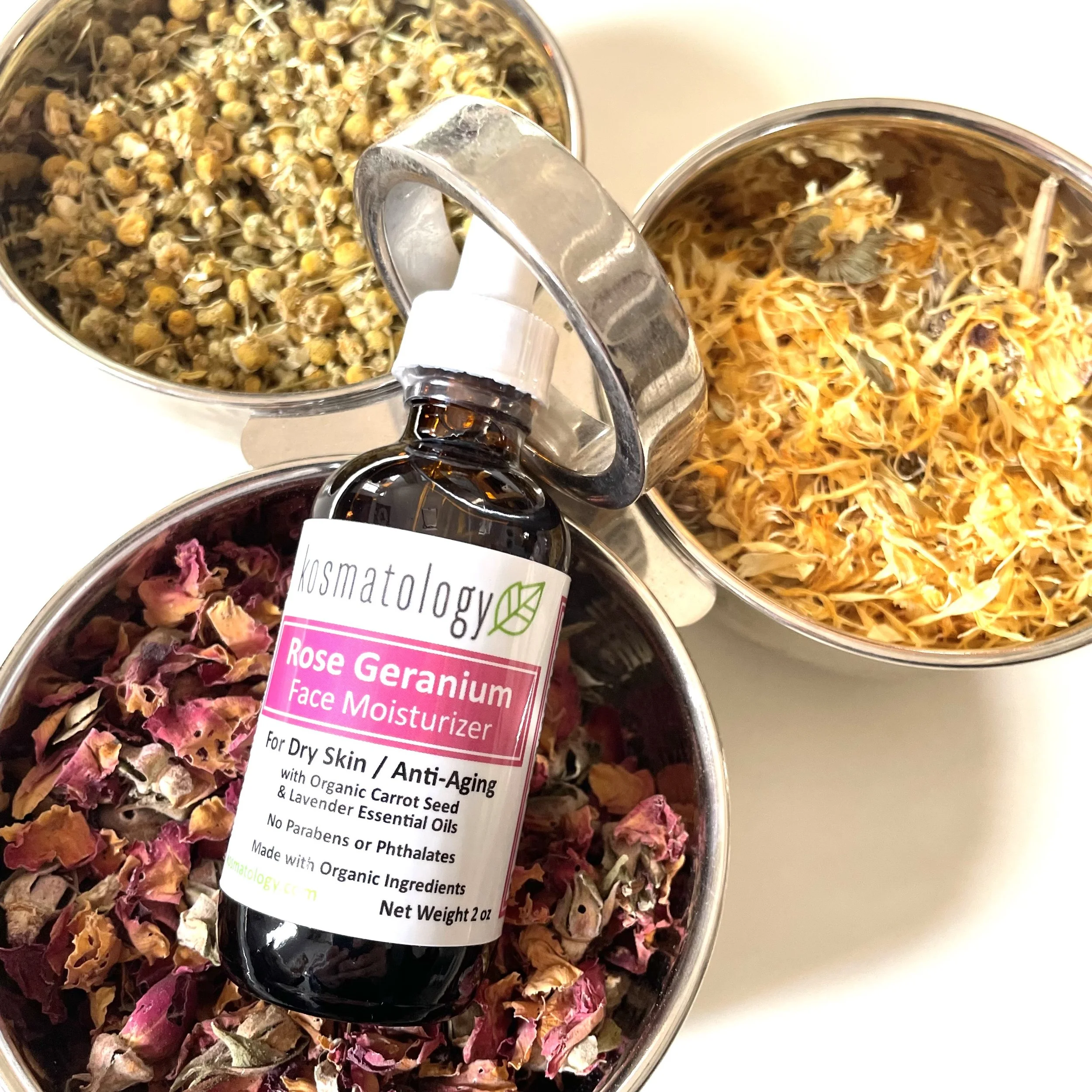
Why Face Oils Are Good for Your Skin (And How to Use Them)
Many people hesitate to use oil on their face. A common concern is that oils will make skin greasy, clog pores, or cause breakouts. But when the right plant-based oils are used properly, facial oils can be one of the most effective and gentle ways to support healthy, balanced skin.
Understanding how facial oils work can help you choose the right moisturizer for your skin type and routine.
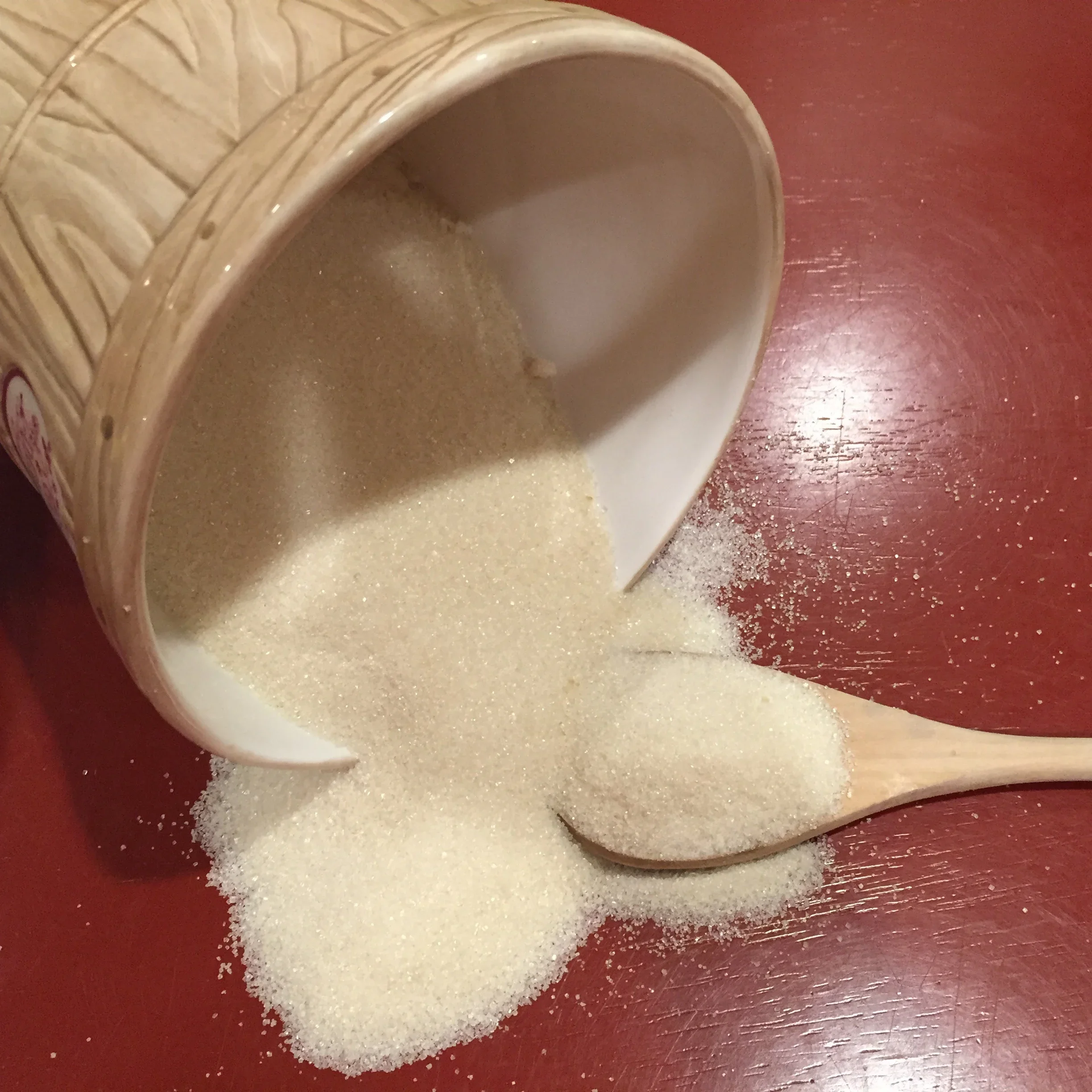
Sugar and Skin Aging: How Glycation Affects Collagen
We often hear that sun exposure, smoking, and dehydration contribute to premature skin aging. But another factor that receives less attention is dietary sugar.
Emerging research suggests that high sugar intake may contribute to visible skin aging through a natural biochemical process known as glycation.
Let’s break down what that means — and what you can do about it.