
KOSMATOLOGY BLOG
How Stress Impacts Eczema & What You Can Do About It
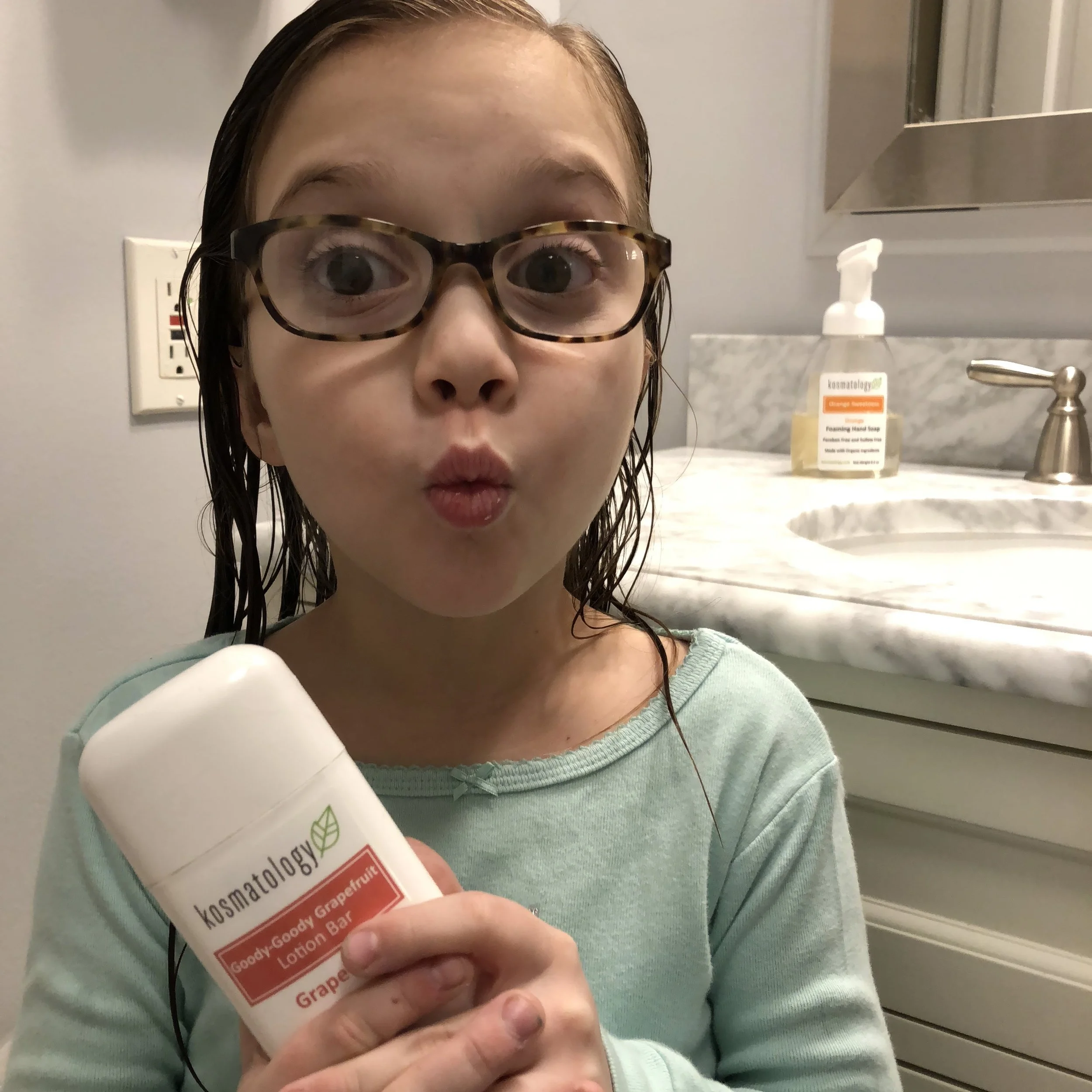
Eczema is more than just a skin condition—it’s a daily challenge that can be physically uncomfortable, emotionally draining, and deeply frustrating. As someone who has navigated this journey both professionally and personally, I understand the impact eczema can have on quality of life.
Through my experience as a compounding pharmacist and the founder of Kosmatology, I’ve dedicated my work to helping people manage eczema naturally. But beyond skincare, understanding stress as a trigger is crucial to breaking the cycle of flare-ups.

Natural Flu Remedies: Holistic Ways to Support Immunity During Flu Season
The flu season often brings a wave of discomfort and illness, leading many to seek remedies that not only alleviate symptoms but also strengthen the immune system. While conventional medicine offers numerous treatments, many people are turning to natural flu remedies to support their health in a holistic and gentle way. Here are some effective natural remedies that can help you combat the flu and recover more quickly.

Creating a Festive Christmas Simmer Pot
The holiday season is a time for gathering with loved ones, sharing meals, and creating memories. One of the simplest and most delightful ways to enhance the festive atmosphere in your home is by making a Christmas simmer pot. This fragrant concoction, made from natural ingredients like cranberries, rosemary, orange, cinnamon, and clove, will fill your home with the cozy and inviting scents of the season. Here’s how you can create this wonderful holiday tradition.

Understanding Dry Skin: Causes, Prevention, and How to Restore Your Skin Barrier
Dry skin is one of the most common skincare concerns people experience. It often appears as tight, rough, flaky, or irritated skin, and while it may seem like a minor inconvenience, persistent dryness can signal a weakened skin barrier.
Some people only experience dry skin during the winter months, while others struggle with it year-round. Understanding why dry skin happens and how to support your skin barrier is the first step toward keeping skin comfortable and healthy.

How to Repair a Damaged Skin Barrier (Signs + Natural Repair Tips)
Your skin is your body’s largest organ, and its outermost layer — known as the skin barrier — plays a critical role in protecting you from the outside world. This protective layer, also called the stratum corneum, acts as your skin’s first line of defense against environmental pollutants, UV radiation, bacteria, and irritants.
The skin barrier also helps retain moisture, keeping skin hydrated, comfortable, and resilient. When the skin barrier becomes damaged or weakened, moisture escapes more easily and irritants can penetrate the skin, which can lead to dryness, redness, irritation, and increased skin sensitivity.
Supporting and repairing the skin barrier is one of the most important steps for maintaining healthy, balanced skin, especially for people with sensitive or eczema-prone skin.
Eczema: A Very Personal Journey into Gentle Skincare
Eczema isn’t just something I’ve researched—it’s something my family has lived through.
Considering that my daughter’s struggle with eczema ultimately led me to develop gentle, clean skincare products and later start Kosmatology, it feels only fitting to share our story.
How to Protect Your Skin from Chlorine: Minimizing Chlorine Exposure in the Summer
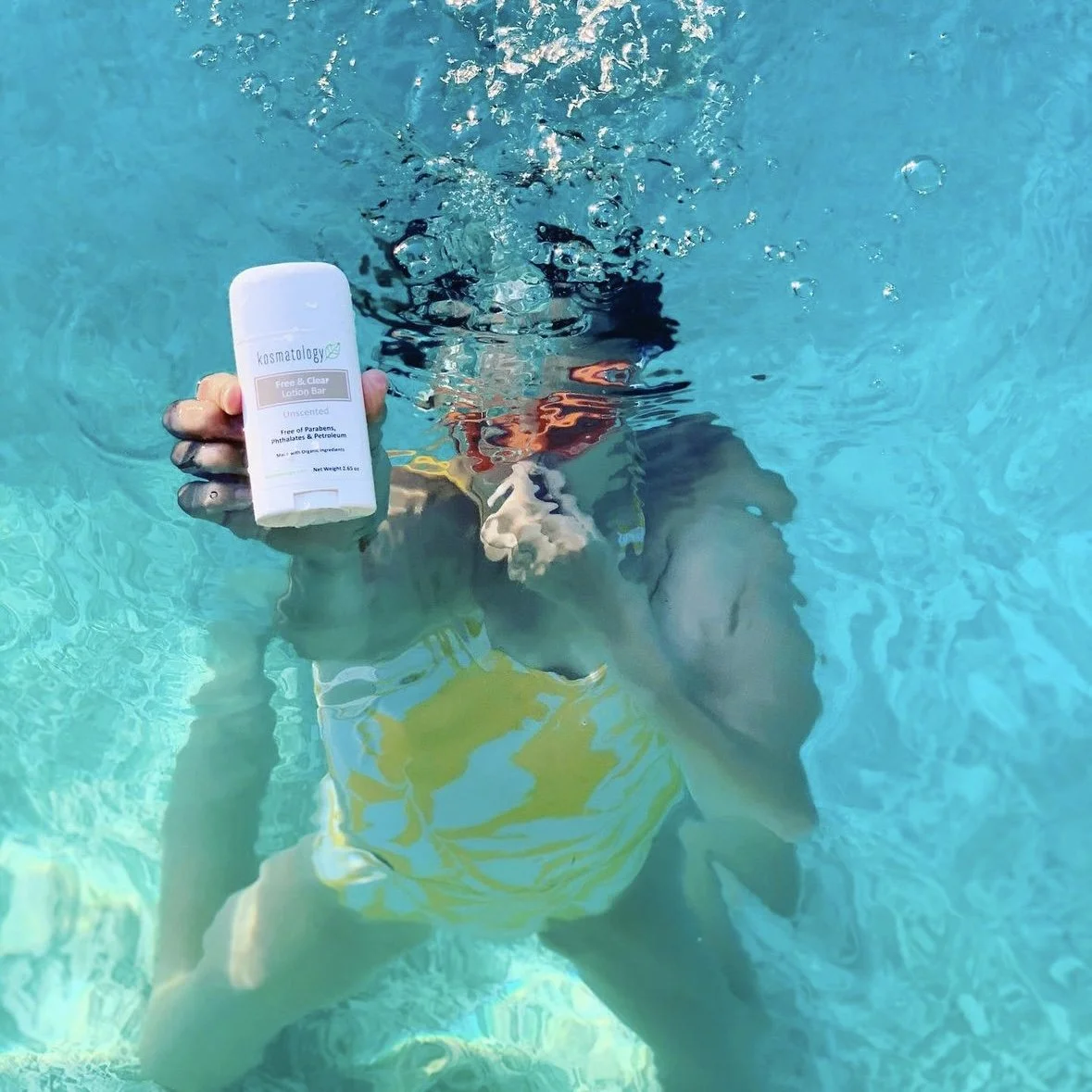
Summer often means long afternoons by the pool. While swimming is a fun and healthy way to cool off, many people notice that frequent pool time can leave their skin feeling dry, tight, or irritated.
Chlorine plays an important role in keeping pools clean and safe by killing harmful bacteria. However, repeated exposure to chlorinated water can also strip natural oils from the skin and hair. Over time, this can weaken the skin barrier and contribute to dryness or irritation.
Many people searching for how to protect skin from chlorine are looking for simple ways to enjoy swimming while minimizing its drying effects. Fortunately, a few small habits can help reduce chlorine exposure and support healthier skin during the summer months.
Is Chapstick Bad for You? Ingredients in Lip Balm That May Dry Your Lips
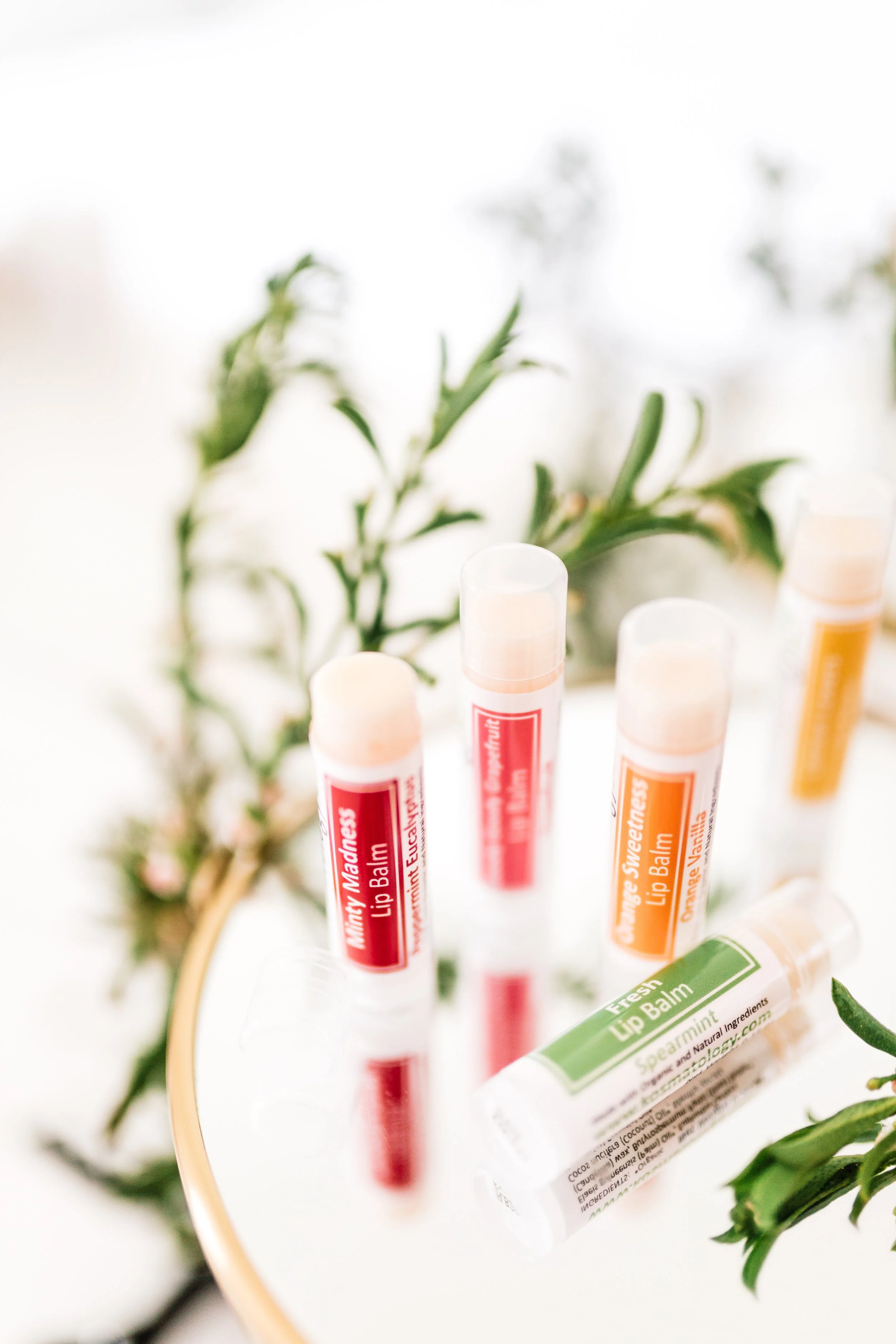
Lip balm is a staple in many daily routines, offering quick relief for dry or chapped lips. But some people notice that their lips feel dry again soon after applying it and begin to wonder: is chapstick bad for you, or can lip balm actually make your lips worse?
If you’ve ever felt like you constantly need to reapply lip balm, you’re not alone. Many people ask, “Why am I addicted to lip balm?” In most cases, it isn’t a true addiction. Instead, it’s often a cycle where lips feel temporarily soothed but become dry again soon after.
This can happen because of environmental factors, daily habits, or certain lip balm ingredients that may irritate or dry the lips when used repeatedly.
Understanding how lip balm works—and which ingredients to watch for—can help you choose products that support healthier, more comfortable lips.
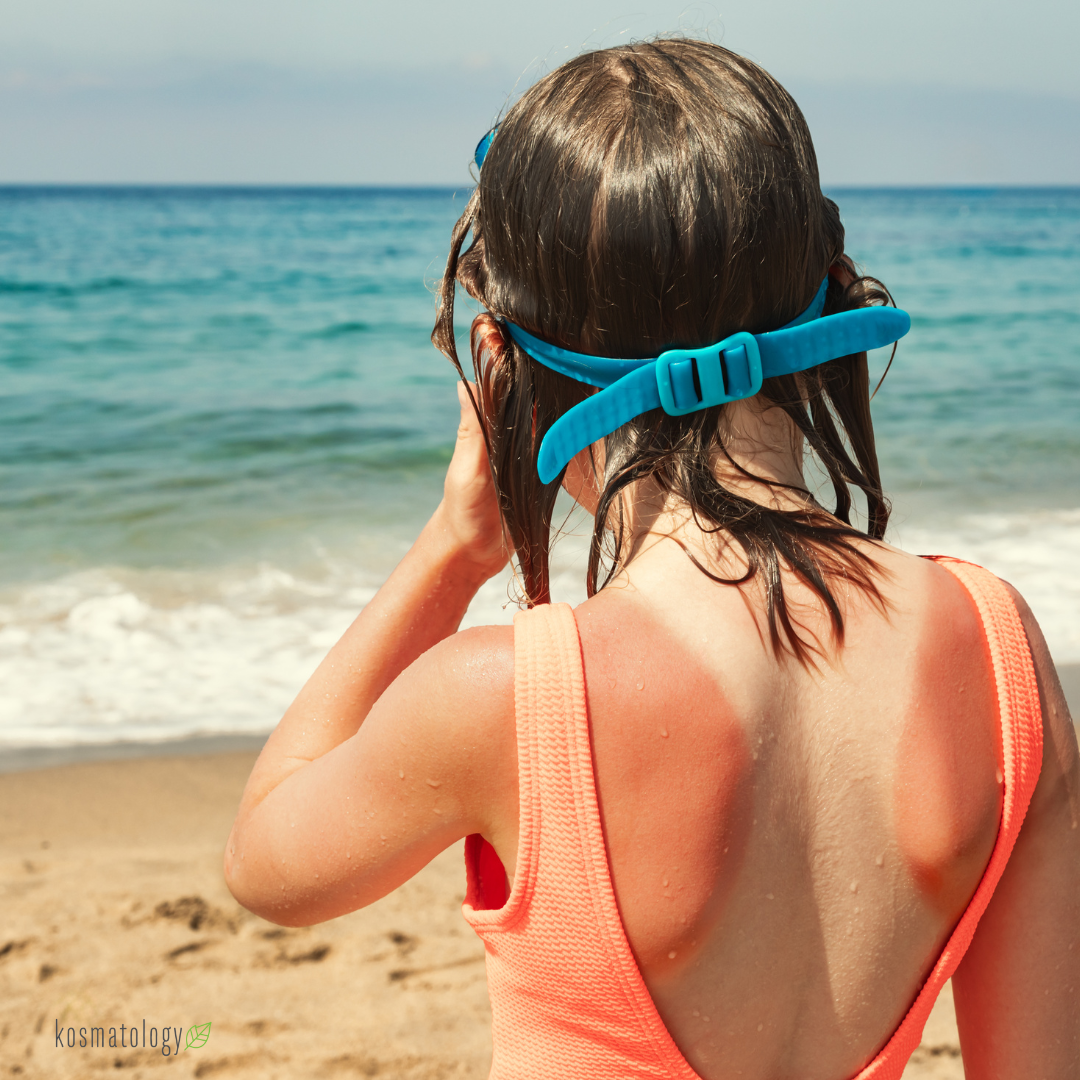
Natural Remedies for Sunburn: How to Soothe and Support Skin Recovery
As we bask in the sunny days, many of us are eager to enjoy the warmth and light. However, it's easy to overdo it and end up with a painful sunburn, which can lead to unsightly peeling. Proper after-sun care is crucial to alleviate the discomfort and support the healing process.

Natural Bug Repellent: What Works and Why We Chose a Solid Balm
When most people think of bug repellent, they picture a spray.
But when I began formulating a natural mosquito repellent for Kosmatology, I quickly realized that sprays weren’t the best option—especially for families with young children.
As a pharmacist and formulator, safety was my first priority. One concern that kept coming up was inhalation. Even if a bug repellent is safe to apply to the skin, that doesn’t necessarily mean it should be inhaled into the lungs.
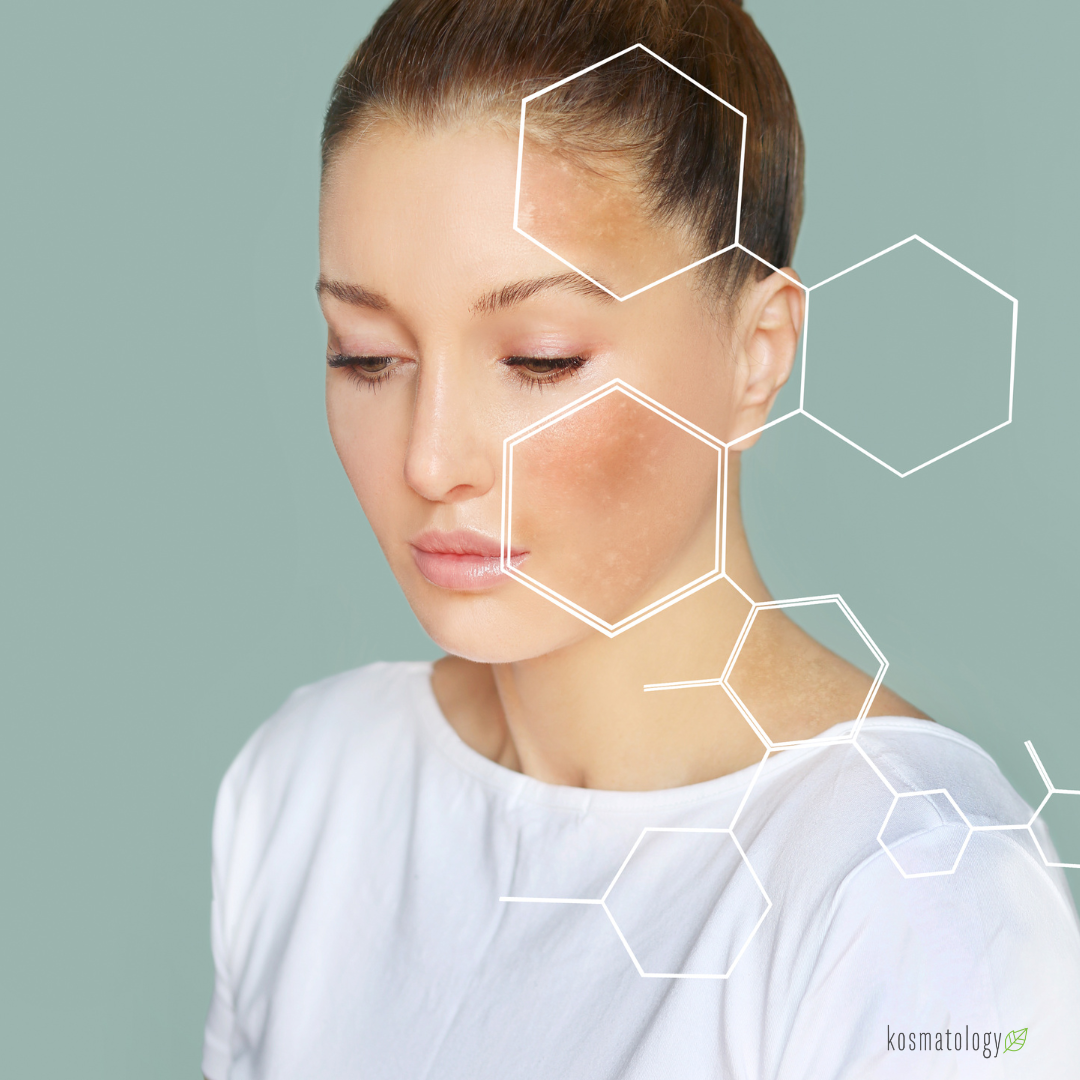
What Is the Skin Microbiome? Why It Matters for Healthy Skin
Our skin is the largest organ in the body and serves as the first line of defense against the outside world. But beyond being a physical barrier, the skin is home to a complex ecosystem known as the skin microbiome.
The skin microbiome is made up of trillions of microorganisms, including bacteria, fungi, and other microbes that naturally live on the surface of the skin. Scientists estimate that the skin microbiome may include over 1,000 different species of bacteria and dozens of types of fungi.
These microorganisms are not harmful—in fact, many of them are essential for healthy skin.
Understanding how the skin microbiome works can help explain why gentle skincare, balanced routines, and barrier-supporting ingredients are so important for maintaining comfortable, resilient skin.
Ingredients to Avoid in Hand Soap (And How to Choose a Non-Toxic Soap)
The quality of your hand soap is not only determined by what it has, but also by what it lacks. Choose wisely, because what you wash your hands with can have a significant impact on your health and wellbeing.
Discover the ingredients that we never use in our hand soap and learn why it's important for your health and safety.
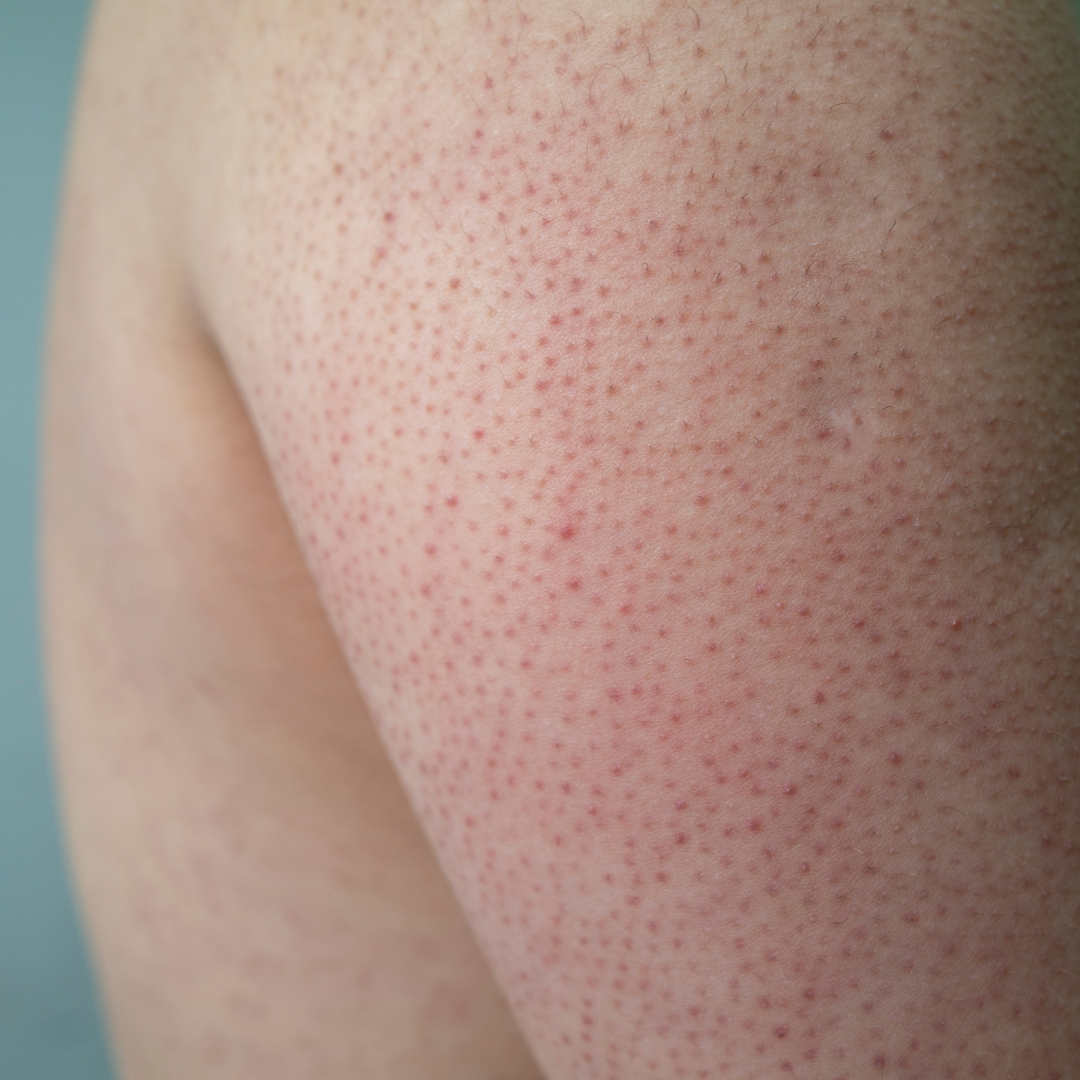
Keratosis Pilaris: What It Is and How to Treat “Chicken Skin” Naturally
Keratosis pilaris (KP) is a very common skin condition that causes small, rough bumps on the skin. These bumps usually appear on the upper arms, thighs, cheeks, or buttocks and are often described as looking like “chicken skin.”
Keratosis pilaris develops when keratin, a natural protein found in skin, hair, and nails, builds up around hair follicles. Instead of shedding normally, the keratin plugs the follicle opening and forms small bumps.
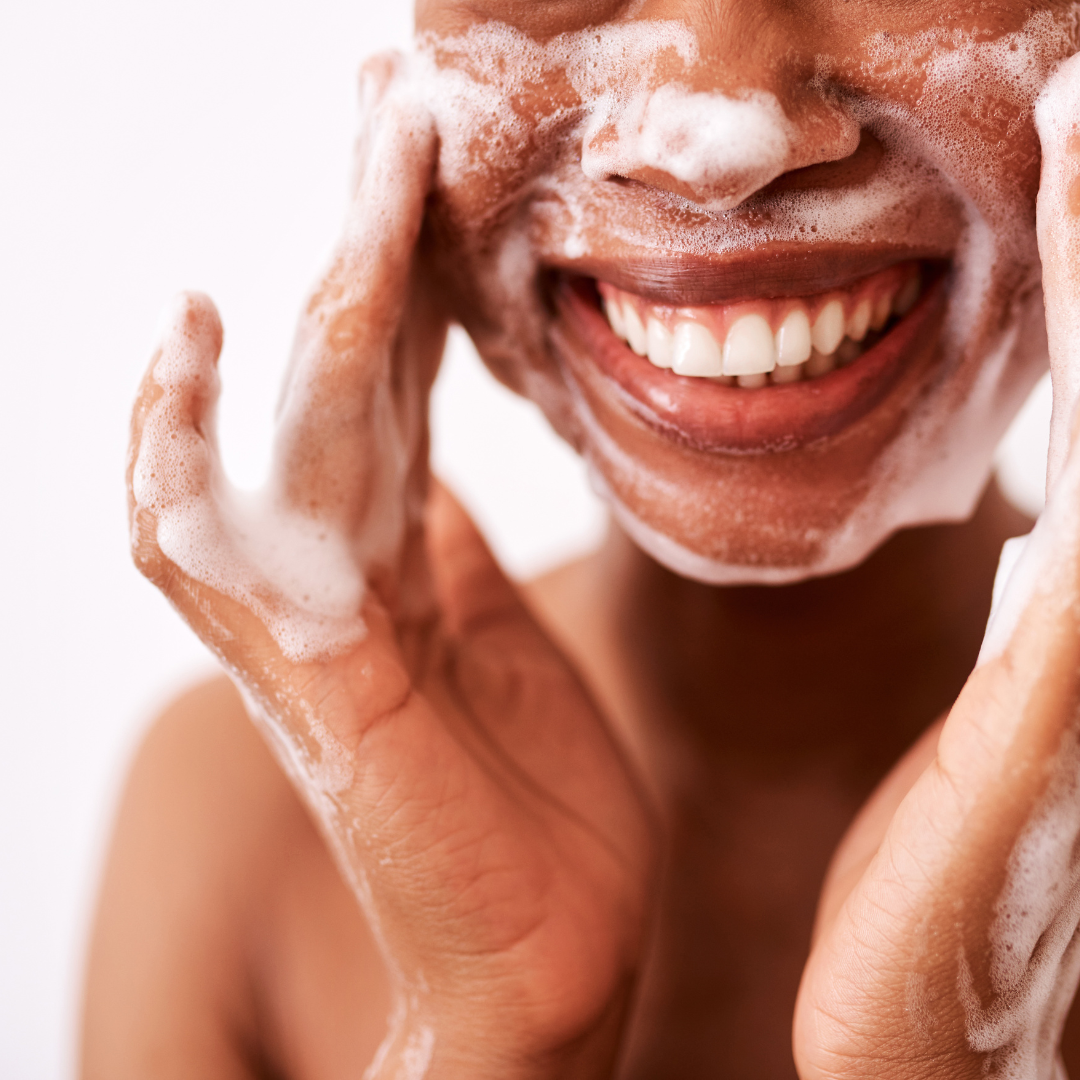
How to Wash Your Face Properly: A Step-by-Step Guide for Healthy Skin
Washing your face seems simple, but doing it correctly can make a big difference in the health and appearance of your skin. Daily facial cleansing removes dirt, excess oil, sweat, pollution, and dead skin cells that accumulate throughout the day. When these impurities remain on the skin, pores can become clogged, which may contribute to breakouts, irritation, or dull-looking skin.
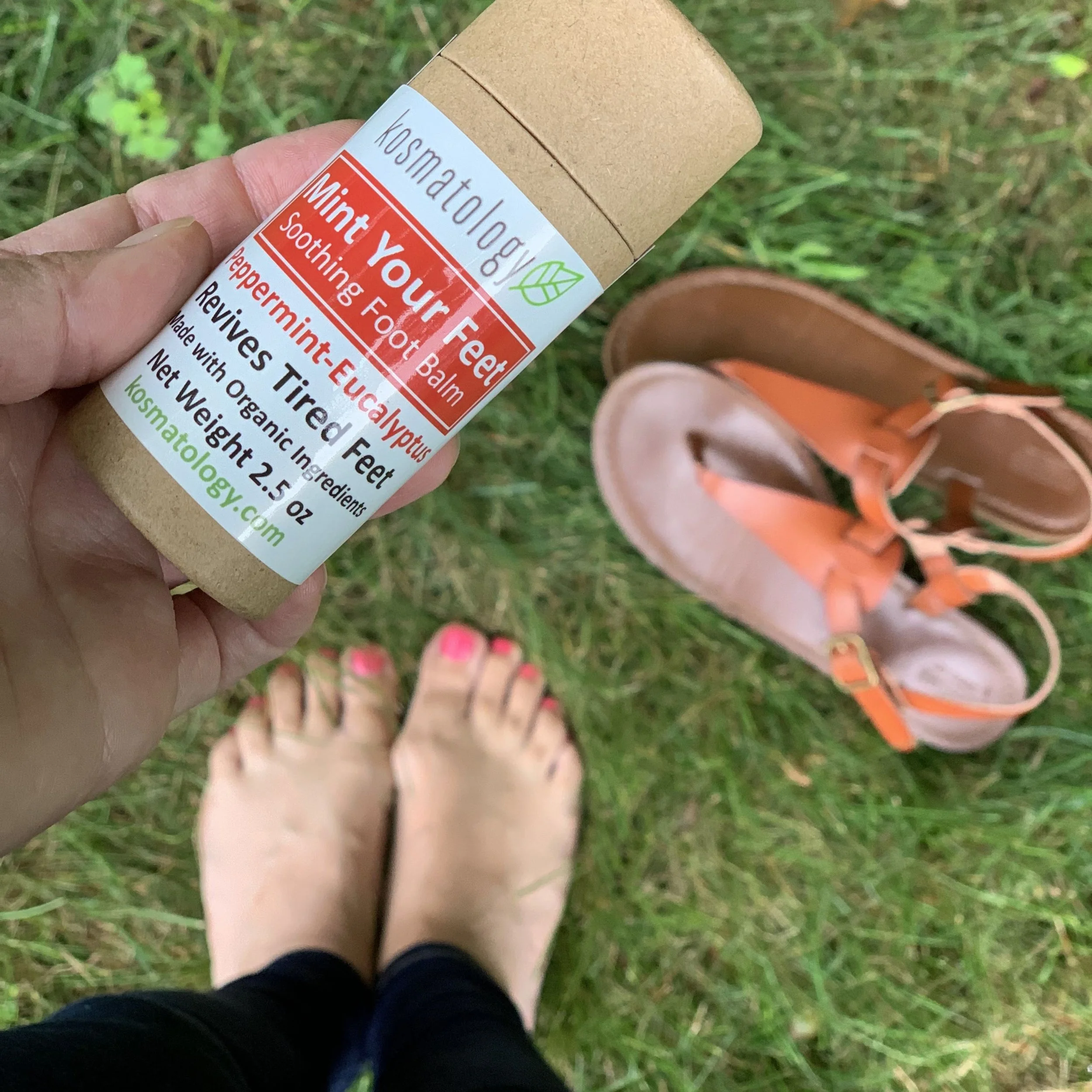
How to Remove Dead Skin from Feet (And Prevent Cracked Heels)
With sandal season approaching, many people start paying closer attention to their feet. Dry skin, rough patches, and dead skin buildup on the feet are very common—and they can make even the most comfortable pair of sandals feel less appealing.
The good news is that most cases of dry feet and dead skin buildup can be managed at home with a simple routine that focuses on softening, exfoliating, and moisturizing the skin.
Understanding what causes dry feet can help you prevent the problem before it starts.