
KOSMATOLOGY BLOG

Eco-Friendly DIY Valentine’s for Kids (No Candy, No Plastic)
Valentine’s Day is sweet — but the classroom Valentine aisle? Not always.
If you have preschoolers or elementary school kids, you’ve likely seen the rows of pre-packaged cards filled with plastic trinkets, sugary candy, and disposable toys that barely last the week.
And listen — we’ve all grabbed them before. Life gets busy.
But if you’re looking for a non-candy Valentine idea that’s creative, affordable, reusable, and eco-friendly — this might be your new favorite tradition.
This is our all-time favorite DIY classroom Valentine: Recycled Crayon Valentines.
It’s simple. It’s sustainable. And kids love them.
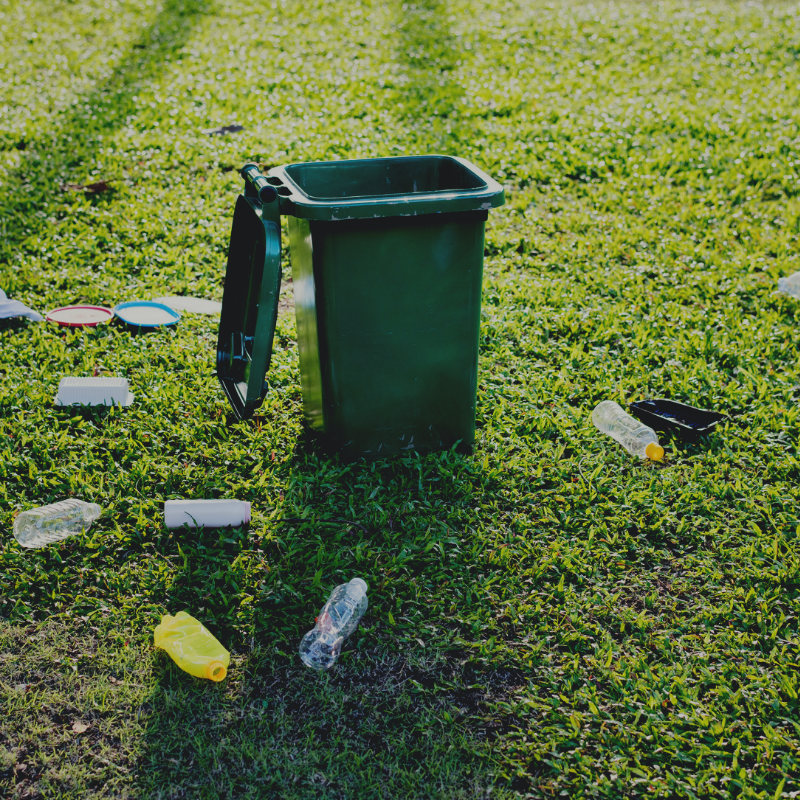
How to Recycle Paint, Shoes, Electronics & Other Hard-to-Dispose Items
January is often “Get Organized” month — and nothing feels better than decluttering your home.
But what about the items that can’t just go in the trash?
Old paint cans. Broken electronics. Worn-out sneakers. Stained clothing.
Most of us have at least a few of these lingering in the basement or garage because we’re not sure how to dispose of them responsibly.
The good news? Many of these items can be recycled or repurposed — you just need to know where to look.
Here’s your guide to decluttering sustainably without sending everything to the landfill.

It’s Our Birthday — And Our Story Is Where It All Began
As I sit down to write this, I can hardly believe it has been five years since I started Kosmatology. I never imagined I would one day be the founder of a clean, gentle skincare line but looking back, the journey makes perfect sense.
Kosmatology didn’t start as a business idea.
It started as a mom trying to help her baby.

How to Reduce Halloween Sugar Without Missing the Fun
Halloween is one of the most exciting nights of the year for kids—costumes, friends, and of course, candy. But if you’re like me, you try to make thoughtful choices about what your family eats during the rest of the year. Artificial dyes, high-fructose corn syrup, and large amounts of refined sugar aren’t things most of us want our kids eating regularly.
Then Halloween arrives and suddenly there’s a bucket of candy on the kitchen counter that seems to last for weeks.
Confessions of a Green Swap Convert: Easy Non-Toxic & Low-Waste Home Swaps
If I’m being honest… I used to be a devoted zip-top plastic bag person.
I washed them.
I reused them.
I told myself I was doing enough.
But every time I saw those reusable sandwich bags pop up on Instagram, I knew that little voice in my head was right.
It was time to make the swap.
If you’ve ever felt overwhelmed trying to live more sustainably, you’re not alone. Switching lifelong habits isn’t easy. But small, intentional green swaps around your home can significantly reduce plastic waste, lower toxin exposure, and create a healthier environment for your family.
Here are some of the easiest non-toxic, eco-friendly swaps you can start making today.

How to Conserve Water at Home: Easy Ways to Reduce Your Water Footprint
Some mornings my brain goes everywhere.
How does she look that young?
Should I give a TED talk?
Am I using too much water?
That last one stuck with me.
We all know the obvious water-saving habits:
• Shorter showers
• Efficient appliances
• Turning off the faucet while brushing teeth
But when I started digging deeper, I realized water conservation goes far beyond the bathroom sink.
If you’re trying to live more sustainably, here are practical ways to reduce water usage — both at home and through the food you eat.

Treat Those Feet
Most of us don’t think about our feet very often—until they start to hurt. Whether it’s a long day standing, a workout, or dancing in heels at a wedding, tired feet have a way of getting your attention quickly.
The truth is, your feet work hard every day. Taking a few minutes to care for them can help keep skin comfortable, reduce dryness, and keep feet feeling their best.
Here are some simple, practical foot care tips you can incorporate into your routine.
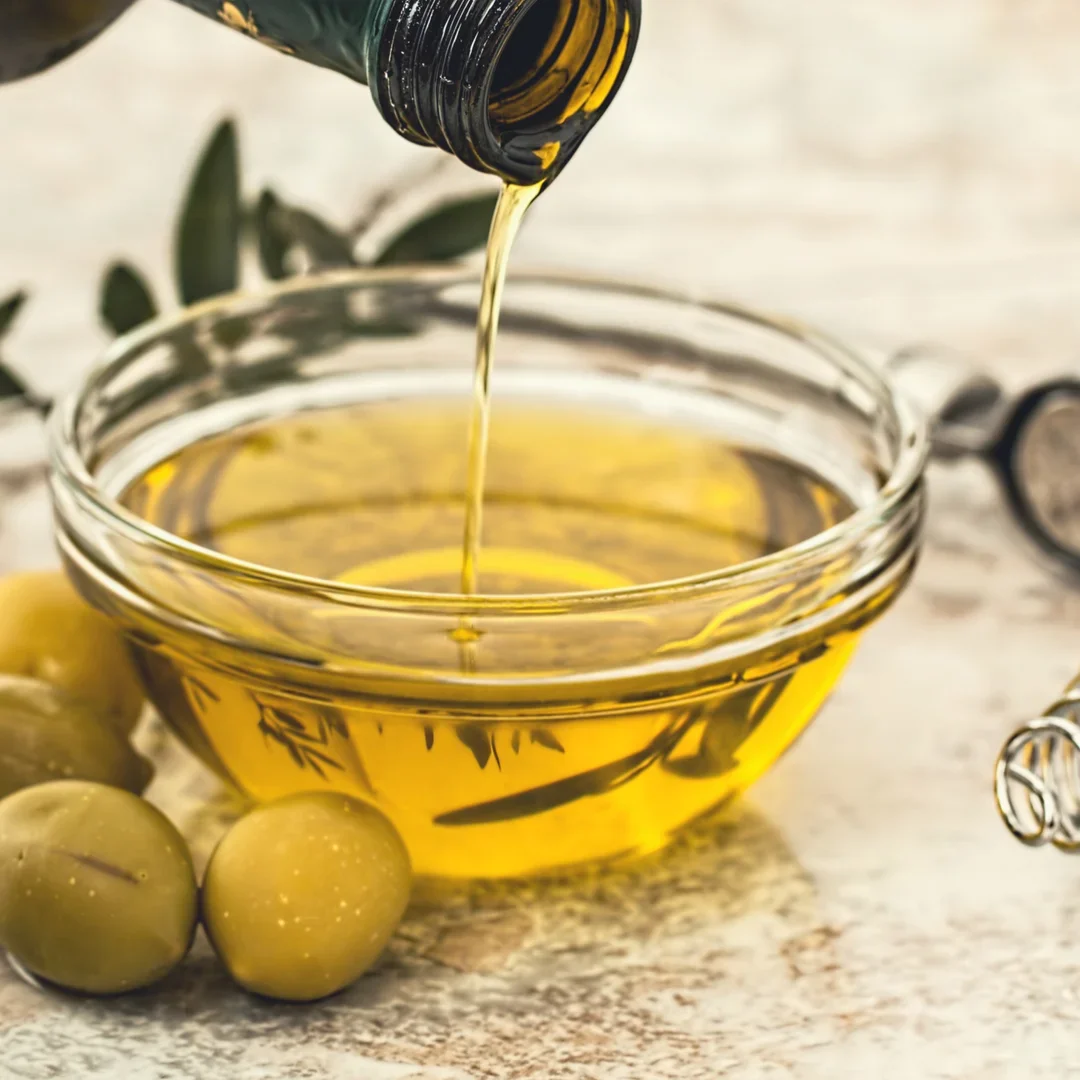
Olive Oil for Skin: Benefits, Uses, and Why It’s a Skincare Staple
I once spilled nearly half a bottle of olive oil on my kitchen counter. I could have cried. Instead of letting it go to waste, I scraped it into a container and moved it to the bathroom. I used it everywhere—on my legs, my cuticles, in the bath, even in my hair.
It turns out my grandmother was right all along: olive oil really is skin care gold.
For centuries, olive oil has been used as a natural moisturizer, cleanser, and skin protectant. Today, modern research is beginning to confirm what traditional cultures already knew—olive oil contains nutrients that support healthy skin in multiple ways.

In Defense of Dirt: Why a Little Dirt Can Be Good for You
Dirt has gotten a bad reputation in modern life, but many parents and experts now ask an important question: is dirt actually good for kids? Not all exposure to dirt and everyday germs is harmful, and time spent outdoors—gardening, playing, and exploring—can be an important part of a balanced, healthy lifestyle. Understanding the difference between harmful bacteria and normal environmental exposure helps families make practical choices about cleanliness, handwashing, and outdoor play.
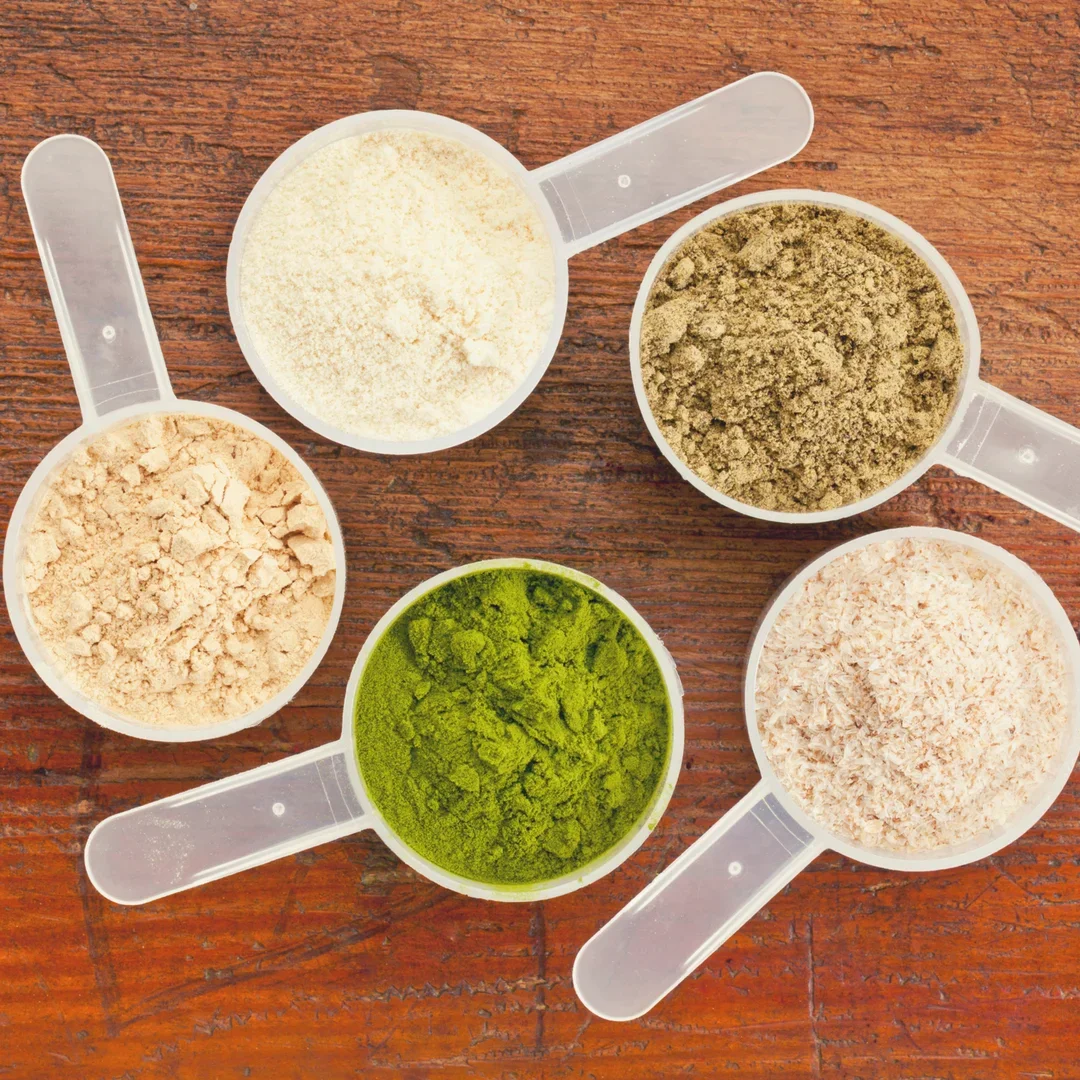
Foods That Boost Collagen Naturally: How to Support Healthy Skin from Within
Collagen supplements are everywhere right now. Powders, drinks, capsules—there’s no shortage of products promising smoother skin and healthier joints. But what exactly is collagen, and is supplementation really necessary?
Collagen is a structural protein made up of amino acids such as glycine, proline, hydroxyproline, and arginine. It’s found in skin, muscles, connective tissue, and bones, and it plays a critical role in maintaining strength, elasticity, and hydration in the skin.
Our bodies naturally produce collagen, but production slows with age. Sun exposure, stress, poor diet, and environmental factors can also contribute to collagen breakdown.
The good news? One of the most effective ways to support collagen production naturally is through nutrition.
Eating foods rich in key vitamins, minerals, and antioxidants gives your body the building blocks it needs to produce and protect collagen.
Let’s look at some of the best nutrients and foods that help support healthy skin naturally.

Eat Your Sunscreen: Foods That Support Skin in the Sun
“Eat your sunscreen” sounds a little strange at first. And to be clear, we are not suggesting that you stop using sunscreen—protecting your skin from excessive sun exposure is extremely important. Sunscreen, protective clothing, and shade are still essential tools for skin health.
But what many people don’t realize is that nutrition also plays a role in how the body supports and repairs skin exposed to sunlight. Certain vitamins, antioxidants, and plant compounds help the body manage oxidative stress caused by UV exposure and support healthy skin from the inside out.
Think of it this way: sunscreen protects the outside of your skin, while nutrition helps support your skin from within.
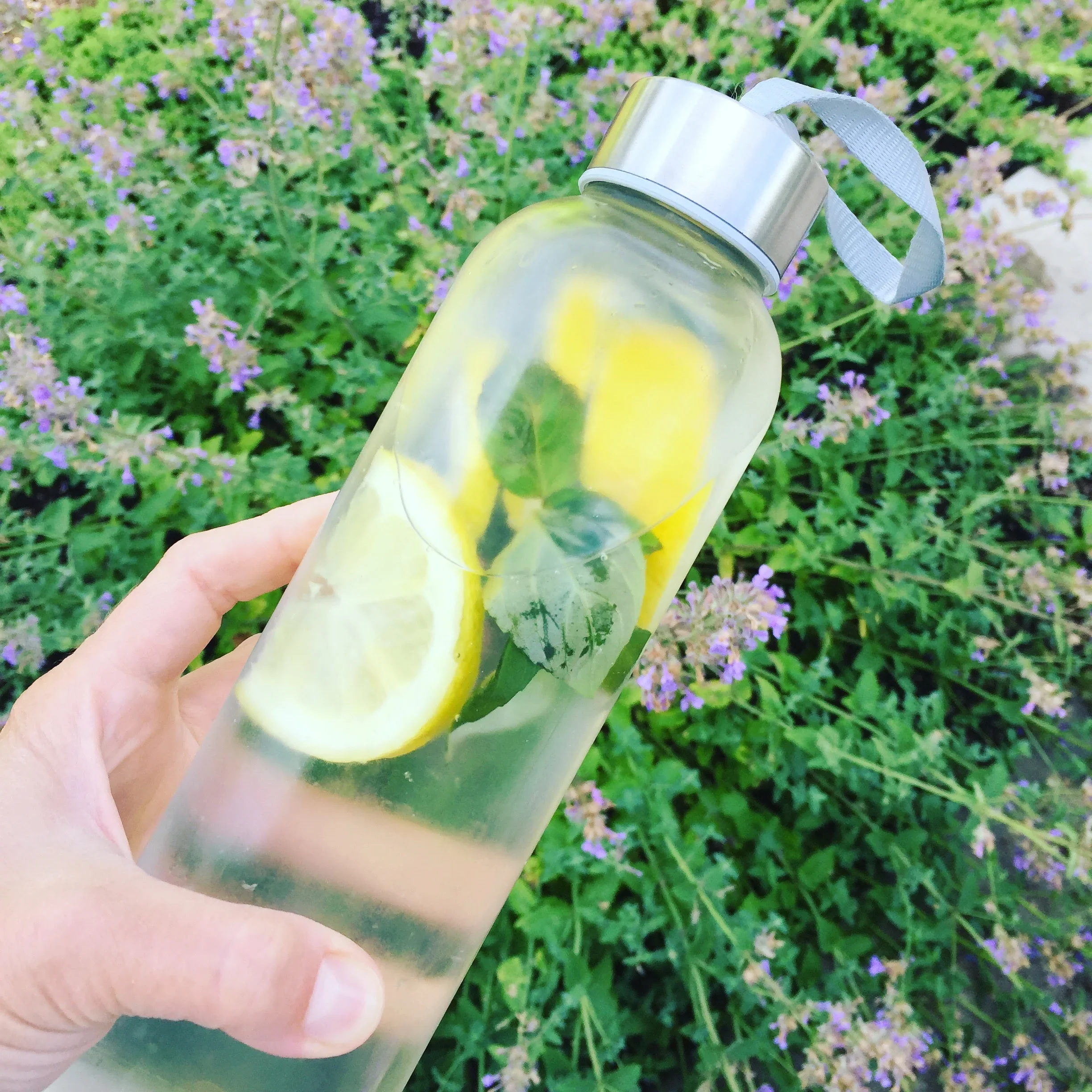
Easy Earth Day Swaps: Simple Ways to Reduce Waste Every Day
Earth Day is a wonderful reminder to take care of our planet but the truth is, protecting the environment happens through the small choices we make every day.
As a pharmacist, a mom, and the founder of a skincare company focused on low-waste and non-toxic products, sustainability is something I think about often. The good news is that living more sustainably doesn’t require perfection or dramatic lifestyle changes. Small, practical swaps can make a real difference over time.
If you’re looking for easy ways to reduce waste, here are some simple changes that are realistic, affordable, and easy to maintain.

Natural Ways to Reduce Seasonal Allergy Symptoms
Warmer weather brings blooming trees, longer days, and more time outdoors — but for many people, it also brings seasonal allergies.
Sneezing, congestion, sinus pressure, and itchy eyes are common during peak pollen months. While antihistamines and other medications are widely available, many individuals also look for natural ways to reduce seasonal allergy symptoms and support overall comfort during times of increased environmental exposure.
Although natural approaches do not replace medical treatment when needed, small daily habits can help reduce allergen exposure and support the body’s balance during seasonal transitions.

Pineapple Benefits for Skin, Inflammation, and Immune Health
When you think of pineapple, you probably think of tropical beaches and fresh summer smoothies.
But this bright, golden fruit offers more than vacation vibes.
Pineapple contains powerful plant compounds that support:
• Healthy inflammation response
• Skin recovery
• Immune function
• Collagen support
• Post-exercise recovery
Let’s take a closer look at why pineapple deserves a place in your kitchen — and possibly your skincare conversations.
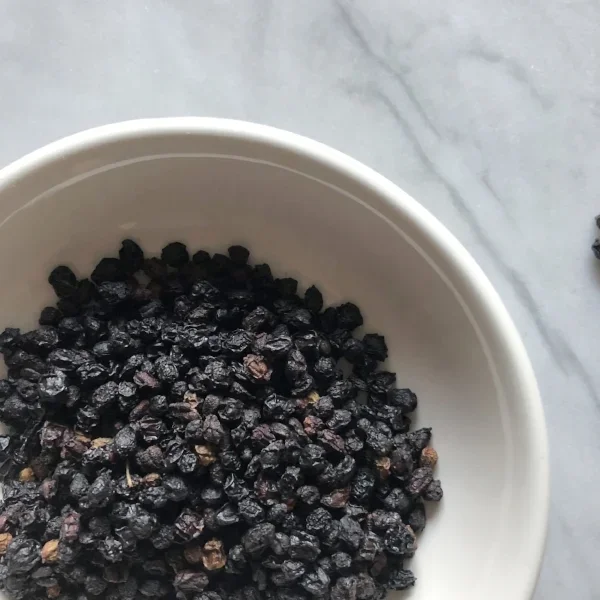
Elderberry Syrup Benefits: How Elderberries Support Immune Health Naturally
Elderberries have been used for generations in traditional herbal practices, especially during cold and flu season. Many people use elderberry syrup as part of their wellness routine to help support the immune system and overall health.
Elderberries are rich in naturally occurring vitamins, antioxidants, and plant compounds that contribute to their long-standing reputation as a seasonal wellness staple.